Advance Your Biomechanical Precision: Patient Treatment Diploma
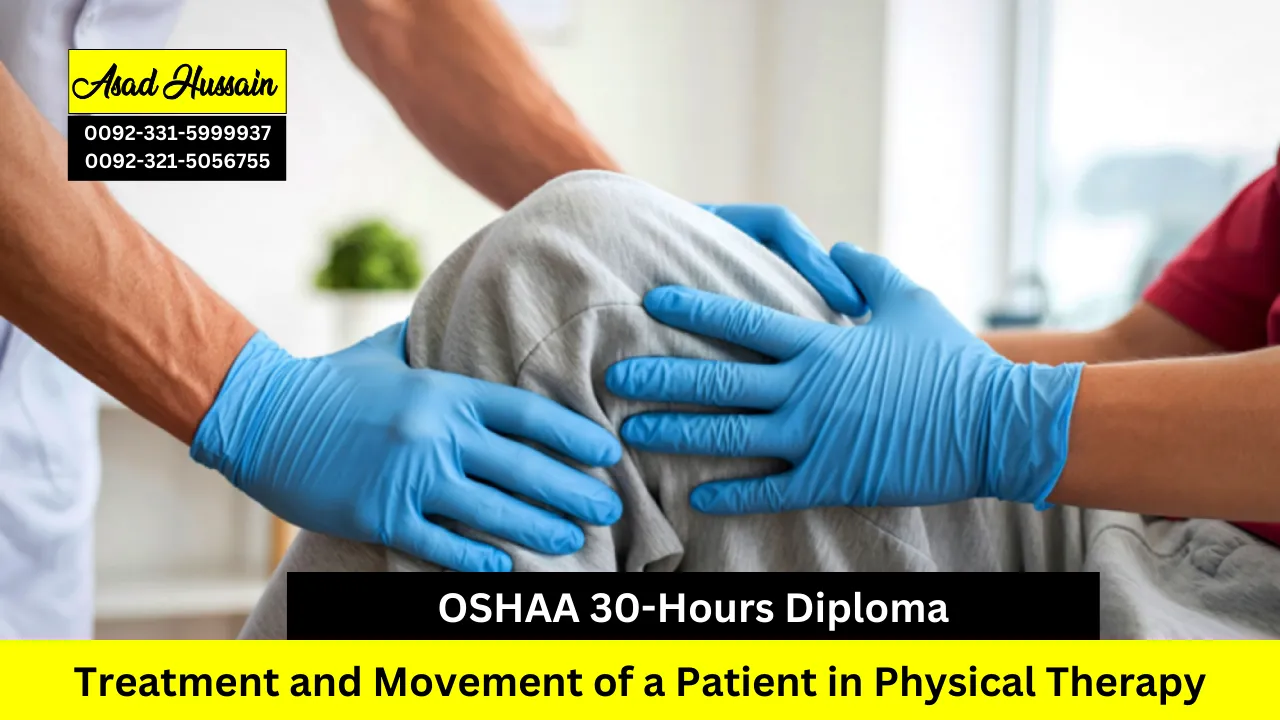
OSHAA 30-Hours Diploma in Treatment and Movement of a Patient in Physical Therapy provides a specialized clinical framework for rehabilitation assistants and healthcare practitioners. By focusing on manual handling and therapeutic positioning, this course empowers you to lead recovery initiatives and manage patient transfers with absolute precision. It is a focused, non-Ofqual regulated program tailored for those seeking to sharpen biomechanical insights and command respect within the modern physiotherapy sector. You will explore advanced methods for assessing mobility and implementing movement protocols, ensuring you possess a technical toolkit to solve real-world rehabilitation challenges while maintaining high standards of patient safety and clinical efficiency.
Stepping into this technical training means committing to a journey of professional development and specialized skill acquisition. The syllabus focuses on the strategic management of physical resources, bridging the gap between basic care and high-level professional rehabilitation standards. Throughout the comprehensive modules, you will refine your ability to analyze gait patterns and evaluate the efficacy of movement interventions. This is a premier opportunity to distinguish yourself as a knowledgeable practitioner, gaining the specialized insights necessary to protect patients from secondary injuries and uphold the highest standards of kinetic governance within your specific clinical jurisdiction or private practice while focusing on the practical mastery of movement systems.
OSHAA 30-Hours Diploma in Treatment and Movement of a Patient in Physical Therapy serves as a powerful catalyst for those aiming to achieve significant professional standing. Upon completion, you will be well-positioned to pursue prestigious industry certifications and specialized diplomas that further validate your expertise in advanced clinical biomechanics and therapeutic movement. By focusing on vocational mastery, this program ensures your credentials remain relevant and highly sought after by top-tier employers in the rehabilitation and geriatric care sectors. You are securing a competitive edge that opens doors to supervisory roles, providing the specialized authority required to lead therapy teams and manage sophisticated treatment portfolios with unmatched technical precision.
Program Highlights
Study Units
- Introduction to Physical Therapy and Rehabilitation Principles (3 hours)
- Anatomy and Physiology Relevant to Movement and Mobility (4 hours)
- Patient Assessment and Care Planning (5 hours)
- Safe Patient Handling and Manual Techniques (4 hours)
- Use of Assistive Devices and Transfer Equipment (3 hours)
- Therapeutic Positioning and Bed Mobility (5 hours)
- Mobility Training and Gait Assistance (4 hours)
- Infection Control and Workplace Safety in Therapy Settings (2 hours)
Entry Requirements
To enroll in the OSHAA 30-Hours Diploma in Treatment and Movement of a Patient in Physical Therapy, candidates must demonstrate the physical aptitude and professional background required for safe clinical practice.
- Age & Education: Applicants must be 18+ years old and hold a foundational background in healthcare or anatomy, such as a Level 3 Diploma in Health and Social Care or a Certificate in Sports Massage Therapy.
- Language & Experience: A professional command of English is mandatory for clinical communication, along with at least one year of work experience in a nursing home, hospital, or rehabilitation setting.
- Professional Standing: Candidates possessing industry certifications in manual handling or vocational diplomas in anatomy and physiology are ideally suited for this specialized technical diploma.
Meeting these entry standards ensures you have the necessary biomechanical background to master patient transfer protocols and uphold the highest levels of clinical safety and rehabilitation excellence.
Learning Outcomes
The OSHAA 30-Hours Diploma in Treatment and Movement of a Patient in Physical Therapy is structured into eight intensive modules, providing a specialized clinical framework for mastering human kinetics and patient rehabilitation protocols.
Introduction to Physical Therapy and Rehabilitation Principles
- Master the fundamental concepts and long-term goals of physical therapy interventions.
- Identify various rehabilitation categories, from orthopedic to neurological applications.
- Recognize the vital role of structured rehabilitation in enhancing a patient’s quality of life.
- Establish a professional baseline for clinical expectations in recovery settings.
- Analyze the multidisciplinary approach required for successful patient reintegration.
Anatomy and Physiology Relevant to Movement and Mobility
- Describe the key musculoskeletal structures that facilitate human movement and structural support.
- Explain the integrated functioning of muscles, joints, and the nervous system in mobility.
- Apply technical anatomical knowledge to diagnose and understand patient movement limitations.
- Evaluate the impact of bone density and joint health on overall physical stability.
- Study the biomechanics of movement to predict potential areas of kinetic failure.
Patient Assessment and Care Planning
- Conduct comprehensive patient assessments tailored to specific physical therapy requirements.
- Develop individualized, evidence-based care plans that address unique patient conditions.
- Set realistic, measurable goals for treatment while maintaining strict progress monitoring.
- Adapt care strategies based on real-time feedback and physiological responses.
- Master the clinical documentation required to track mobility milestones accurately.
Safe Patient Handling and Manual Techniques
- Demonstrate correct manual handling techniques to minimize the risk of musculoskeletal injury.
- Apply safe lifting, turning, and transferring procedures for patients with varying mobility levels.
- Understand the legal and ethical responsibilities associated with manual handling and patient dignity.
- Utilize “Center of Gravity” principles to ensure stability during high-risk physical transfers.
- Master the use of ergonomic positioning to protect both the practitioner and the patient.
Use of Assistive Devices and Transfer Equipment
- Identify and categorize common assistive devices utilized in modern physical therapy.
- Demonstrate the safe and effective operation of wheelchairs, walkers, and mechanical hoists.
- Assess patient suitability for specific assistive tools based on strength and coordination.
- Educate patients on the proper self-maintenance and use of mobility aids.
- Evaluate the integrity of equipment to ensure clinical safety and compliance.
Therapeutic Positioning and Bed Mobility
- Perform advanced therapeutic positioning to enhance patient comfort and accelerate recovery.
- Assist patients with complex bed mobility tasks using safe and effective mechanical principles.
- Prevent secondary complications, such as pressure sores and muscle atrophy, through positioning.
- Master the use of specialized pillows and wedges for optimal orthopedic alignment.
- Understand the physiological benefits of frequent repositioning for respiratory and circulatory health.
Mobility Training and Gait Assistance
- Support patients in restoring natural movement through structured gait training exercises.
- Recognize and address common mobility challenges, balance deficits, and weight-bearing issues.
- Encourage patient independence by providing appropriate levels of supervision and guidance.
- Analyze gait cycles to identify abnormalities and implement corrective movement patterns.
- Master the use of parallel bars and gait belts for secure mobility practice.
Infection Control and Workplace Safety in Therapy Settings
- Apply rigorous infection prevention protocols specifically designed for therapy environments.
- Maintain a secure clinical workspace through constant hazard identification and risk management.
- Understand institutional policies related to health and safety compliance and incident reporting.
- Implement sterile field techniques when handling equipment in post-surgical settings.
- Promote a culture of safety that prioritizes the wellbeing of both clinical staff and patients.
Target Audience
The OSHAA 30-Hours Diploma in Treatment and Movement of a Patient in Physical Therapy is a specialized vocational program meticulously designed for healthcare practitioners, rehabilitation assistants, and sports therapy professionals who need to master the clinical mechanics of human movement to ensure patient safety and optimize recovery outcomes.
Physiotherapy Assistants and Rehabilitation Technicians
- Individuals working under the guidance of lead therapists who require advanced practical movement skills.
- Staff members responsible for executing daily exercise protocols and mobility training with patients.
- Professionals seeking to deepen their understanding of biomechanical alignment and kinetic safety.
- Technicians aiming to improve their efficiency in setting up and managing rehabilitation equipment.
- Assistants looking for a formal diploma to validate their hands-on expertise in clinical settings.
- Practitioners dedicated to reducing secondary injury risks through superior handling techniques.
Nursing and Residential Care Professionals
- Nurses working in orthopedic or geriatric wards who manage complex patient transfers daily.
- Residential care staff looking for specialized training in therapeutic positioning for long-term care.
- Professionals tasked with preventing pressure sores and respiratory issues through correct bed mobility.
- Caregivers who need to master the use of mechanical hoists and slide sheets in high-dependency units.
- Staff members focused on maintaining patient dignity while providing high-level physical support.
- Healthcare workers seeking to minimize workplace musculoskeletal injuries through ergonomic mastery.
Occupational Therapy and Sports Massage Practitioners
- Therapists looking to integrate advanced movement principles into holistic patient recovery plans.
- Sports massage practitioners aiming to understand the transition from clinical treatment to mobility training.
- Professionals focused on restoring functional independence in patients with musculoskeletal limitations.
- Practitioners who need to assess patient suitability for specific assistive mobility devices.
- Individuals dedicated to improving patient gait and balance through structured clinical intervention.
- Experts seeking to specialize in the biomechanics of movement for athletic and post-surgical recovery.
Occupational Health and Safety Officers
- Safety officers responsible for developing manual handling policies within healthcare facilities.
- Professionals tasked with conducting risk assessments for patient movement and transfer activities.
- Officers who train clinical staff on the latest ergonomic standards to prevent workplace accidents.
- Individuals focused on ensuring facility compliance with international health and safety regulations.
- Consultants who advise on the procurement of safe and effective patient transfer equipment.
- Experts looking to lead injury prevention initiatives in hospitals and rehabilitation centers.
Geriatric Care and Home Health Specialists
- Specialists providing 1-to-1 rehabilitation support for elderly patients in home environments.
- Practitioners focused on maintaining the mobility and independence of the aging population.
- Staff members who educate families on safe movement techniques and the use of home mobility aids.
- Professionals managing patients with degenerative conditions that impact coordination and balance.
- Specialists seeking to implement fall-prevention strategies through advanced gait assistance.
- Home health workers requiring a vocational diploma to enhance their professional credibility.
Sports Medicine and Fitness Rehabilitation Coaches
- Coaches working with injured athletes to facilitate a safe and efficient return to performance.
- Fitness professionals seeking to expand their knowledge into the clinical side of physical therapy.
- Individuals focused on the anatomy and physiology of movement as it relates to injury recovery.
- Practitioners who use therapeutic positioning to optimize soft tissue healing and joint health.
- Coaches aiming to provide expert guidance on mobility exercises and functional movement patterns.
- Professionals looking for a technical credential to bridge the gap between fitness and rehabilitation.
By completing this comprehensive program, you secure the clinical precision and specialized authority required to navigate the complexities of patient rehabilitation, ensuring that every movement is a calculated step toward functional recovery and long-term physical wellbeing.