The Definitive Professional Diploma for Heat-Related Health Safety
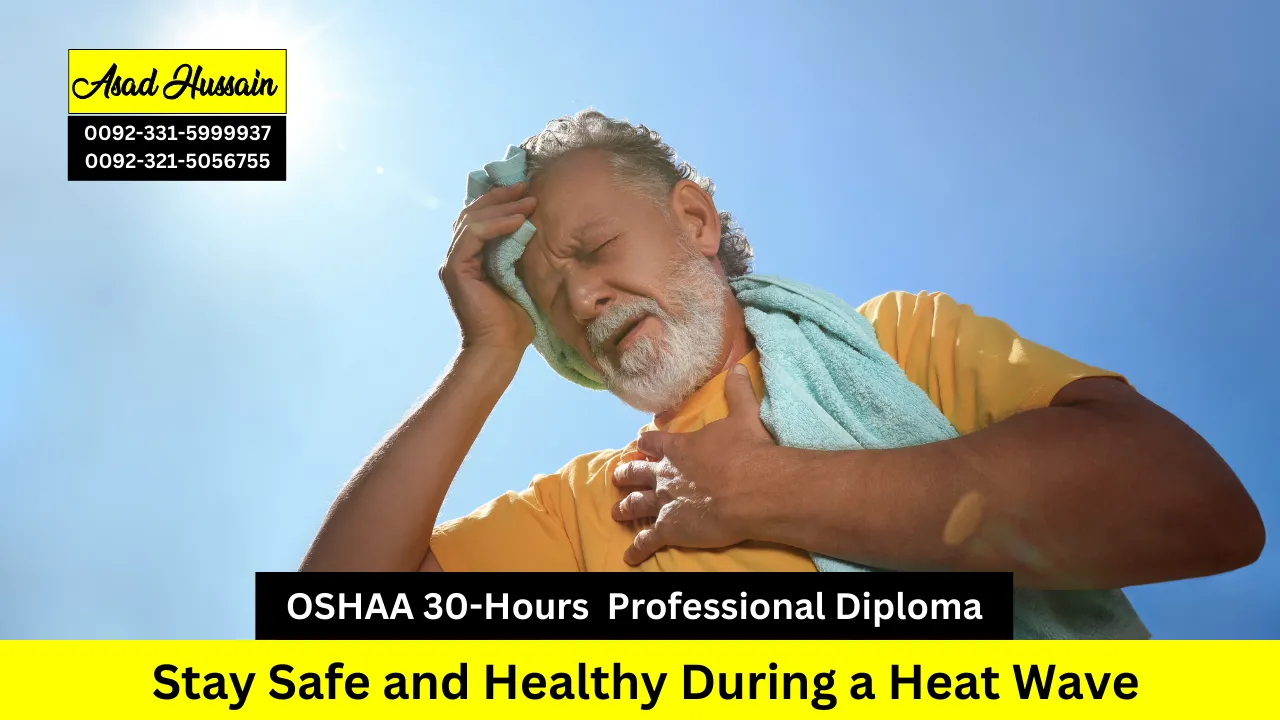
The OSHAA 30-Hours Professional Diploma in Stay Safe and Healthy During a Heat Wave is a specialized training program designed to equip safety officers and health professionals with the critical skills needed to manage extreme thermal risks. This curriculum masterfully integrates the science of thermoregulation with essential clinical safety and occupational health standards. Participants explore the physiological impacts of heat stress while learning to implement rigorous preventative measures and emergency response protocols. By mastering these specialized strategies, professionals ensure that health and safety are maintained within a secure, compliant, and highly organized environment that prioritizes life preservation and physical wellbeing during severe climate events.
This comprehensive program bridges the gap between environmental health theory and the practical safety requirements of modern industrial and public sectors. You will gain deep insights into hazard identification during periods of high temperature, the proper implementation of cooling interventions, and the technical management of hydration and ventilation systems. While this course is not Ofqual regulated, it delivers the high-level technical expertise necessary to lead heat-safety initiatives effectively within a professional setting. The training emphasizes a proactive culture of safety, empowering you to design and oversee robust resilience frameworks that meet international expectations. You will emerge with the specialized skills needed to handle heat-related emergencies.
OSHAA 30-Hours Professional Diploma in Stay Safe and Healthy During a Heat Wave graduates are exceptionally well-positioned to pursue advanced career paths and prestigious professional recognitions in the global environmental health and occupational safety sectors. Completing this diploma serves as a powerful validation of your expertise, opening doors to specialized roles such as Climate Resilience Officer or Health and Safety Consultant. Your comprehensive understanding of these safety standards acts as a vital foundation for those pursuing additional professional certifications and diplomas in disaster management or workplace health protection. By building this world-class foundation, you significantly enhance your professional portfolio, making you a top-tier candidate for leadership positions and specialized consultancy roles.
Program Highlights
Study Units
- Introduction to Heat Waves and Climate Impact (3 hours)
- Understanding Human Physiology and Heat Stress (4 hours)
- Identifying Vulnerable Populations and Risk Factors (5 hours)
- Heat-Related Illnesses: Recognition and Symptoms (4 hours)
- First Aid and Emergency Response for Heat Illnesses (3 hours)
- Preventative Measures: Hydration, Clothing, and Scheduling (3 hours)
- Heat Safety in the Workplace: Employer and Employee Responsibilities (3 hours)
- Developing a Personal and Organisational Heat Wave Plan (5 hours)
Entry Requirements
To enroll in the OSHAA 30-Hours Professional Diploma in Stay Safe and Healthy During a Heat Wave, candidates must meet the following criteria to ensure they possess the technical capacity to manage environmental health risks and emergency cooling protocols:
- Age and Educational Foundation: Applicants must be at least 18 years of age and hold a secondary school certificate. Preference is given to those who hold a Diploma in Occupational Health and Safety, a Certificate in Environmental Health, or a Level 3 Diploma in Facility Management.
- Language Proficiency: A professional command of the English language is mandatory to accurately interpret meteorological data, thermal safety regulations, and clinical first aid manuals during crisis scenarios.
- Work Experience: While this course is open to the public, having 6–12 months of experience in HSE, human resources, or site management—or possessing a Professional Certificate in Emergency Response—is highly recommended for effective policy implementation.
Learning Outcomes
Introduction to Heat Waves and Climate Impact
- Explain the scientific definition and primary causes of heat waves within the context of global climate change.
- Describe the current global and regional trends regarding rising temperatures and increasing thermal frequency.
- Understand the far-reaching environmental and societal impacts caused by extreme heat events.
- Identify the vital significance of proactive preparedness and community resilience in facing severe heat waves.
Understanding Human Physiology and Heat Stress
- Describe the biological mechanisms of how the human body responds to prolonged heat exposure.
- Identify the clinical signs and sequential stages of heat stress from initial discomfort to physical failure.
- Understand the process of thermoregulation and the specific limitations of the body in extreme temperatures.
- Explain the localized and systemic effects of heat on individuals with varying underlying health conditions.
Identifying Vulnerable Populations and Risk Factors
- Recognize specific populations, such as the elderly and young children, who are at greater risk during heat waves.
- Understand the socioeconomic and environmental factors that contribute to increased vulnerability.
- Identify occupational and lifestyle-related risk factors that exacerbate the effects of high ambient temperatures.
- Assess and prioritize thermal risk in various community, industrial, and residential settings.
Heat-Related Illnesses: Recognition and Symptoms
- Identify common heat-related illnesses, including heat exhaustion, heat cramps, and life-threatening heat stroke.
- Recognize the early warning signs and subtle symptoms associated with each heat-induced condition.
- Differentiate between mild, moderate, and severe heat-related illnesses to determine the urgency of care.
- Understand the critical consequences of delayed treatment and the potential for long-term organ damage.
First Aid and Emergency Response for Heat Illnesses
- Apply appropriate first aid techniques for various heat-related conditions to stabilize the patient.
- Develop a rapid response approach to heat emergencies to minimize recovery time and prevent fatalities.
- Understand the clinical thresholds for when and how to escalate care to emergency medical professionals.
- Demonstrate the correct use of emergency cooling methods, including immersion, misting, and ice application.
Preventative Measures: Hydration, Clothing, and Scheduling
- Understand the critical importance of regular hydration and the science of proper fluid and electrolyte intake.
- Identify suitable clothing materials and protective gear designed for high-temperature environments.
- Apply operational strategies for adjusting work shifts and activity schedules during peak heat hours.
- Promote sustainable behavioral changes to significantly reduce the daily risk of heat exposure.
Heat Safety in the Workplace: Employer and Employee Responsibilities
- Understand the legal and ethical responsibilities of organizations related to heat safety and occupational health.
- Identify key workplace policies and engineering controls required to protect workers from heat-related harm.
- Promote robust training, real-time monitoring, and mandatory reporting systems for thermal incidents.
- Encourage a proactive culture of safety and inter-departmental collaboration in hot work environments.
Developing a Personal and Organisational Heat Wave Plan
- Create a comprehensive personal heat preparedness plan to protect yourself and your immediate family.
- Develop organizational policies and standard operating procedures (SOPs) for heat wave emergency response.
- Implement effective communication strategies for issuing and receiving heat warnings and safety alerts.
- Evaluate and adapt heat wave plans based on ongoing risk assessments and post-event feedback.
Target Audience
The OSHAA 30-Hours Professional Diploma in Stay Safe and Healthy During a Heat Wave is a specialized program designed for safety leaders, public health advocates, and organizational managers who are responsible for maintaining life-safety standards and operational continuity during periods of extreme thermal stress.
Health and Safety (HSE) Professionals
- Safety officers responsible for drafting heat-stress prevention policies in industrial sectors.
- HSE managers conducting thermal risk assessments for outdoor and high-heat workplaces.
- Compliance auditors ensuring adherence to international labor standards regarding heat exposure.
- Environmental health officers monitoring climate-related risks in urban and rural settings.
- Site supervisors implementing mandatory hydration and rest break protocols during summer.
- Workplace inspectors identifying ventilation and cooling system failures in commercial facilities.
Facility and Operations Managers
- Facility managers overseeing the efficiency of HVAC and climate control systems in large buildings.
- Operations directors coordinating shift adjustments to avoid peak temperature hours.
- Warehouse managers responsible for maintaining safe ambient temperatures for staff and stock.
- Maintenance leads ensuring that cooling centers and hydration stations are fully operational.
- Logistics coordinators managing the safety of transport and delivery staff during heat waves.
- Infrastructure planners integrating heat-resilient materials into building maintenance.
Human Resources and Occupational Health Staff
- HR managers developing employee wellness programs focused on seasonal climate safety.
- Occupational health nurses monitoring staff for early signs of heat exhaustion or dehydration.
- Wellbeing coordinators organizing training sessions on personal heat-resilience strategies.
- Employee relations specialists advocating for flexible working arrangements during extreme heat.
- Medical support staff providing first-aid guidance for heat-related emergencies in the office.
- Benefits administrators ensuring insurance coverage for environmental health-related incidents.
Public Health and Community Leaders
- Community outreach workers educating vulnerable populations on cooling and hydration.
- Public health officials designing heat-warning systems for local municipalities.
- NGO project managers coordinating emergency water and cooling aid in underserved areas.
- Social workers identifying elderly or isolated individuals at risk of heat-related illness.
- Urban planners developing “green canopy” initiatives to reduce city heat-island effects.
- Disaster relief coordinators managing temporary cooling shelters during record-breaking heat.
Education and Childcare Administrators
- School principals developing policies to protect students during outdoor physical activities.
- Nursery managers ensuring that play areas and classrooms remain at safe temperatures.
- Physical education teachers implementing heat-safety protocols for sports and training.
- Campus facility leads managing hydration access across large educational institutions.
- Summer camp directors training staff on the recognition of heat stroke in young children.
- Student welfare officers promoting heat-awareness campaigns throughout the academic year.
Aspiring Specialists and Career Changers
- Professionals holding a Diploma in Occupational Health and Safety seeking a niche specialty.
- Individuals with a Level 3 Diploma in Facility Management aiming to lead climate initiatives.
- Candidates possessing a Professional Certificate in Emergency Response or disaster planning.
- Graduates in environmental science looking to move into corporate health and safety.
- Security leads transitioning into environmental safety and crisis management roles.
- Public sector workers aiming to specialize in climate-resilience and public safety management.
By enrolling in this diploma, you acquire the strategic foresight and technical mastery needed to safeguard human life and organizational productivity, transforming environmental challenges into a structured culture of resilience and safety.