Expert Addiction Recovery: Diploma in Smoking Cessation
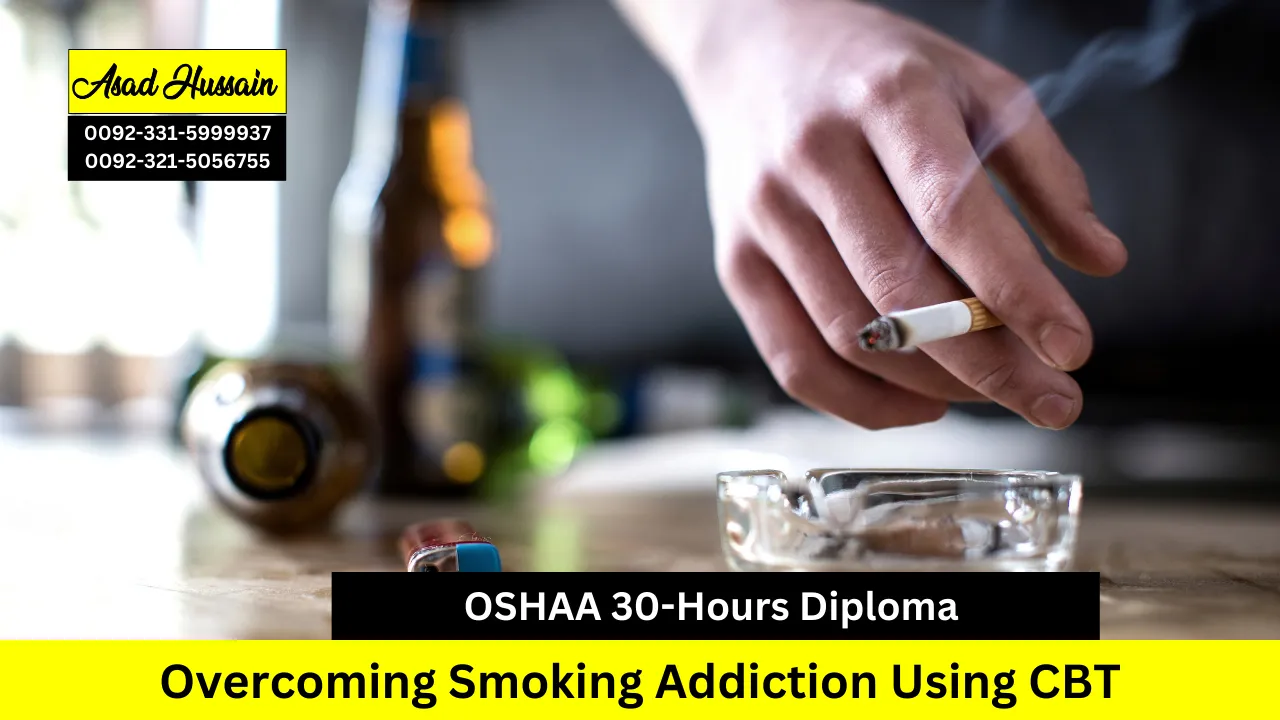
The OSHAA 30-Hours Professional Diploma in Overcoming Smoking Addiction Using CBT offers an advanced therapeutic framework designed to address the psychological and physiological complexities of tobacco dependence. This program focuses on the core principles of Cognitive Behavioral Therapy to identify and restructure the cognitive distortions and environmental triggers that perpetuate nicotine use. By integrating evidence-based behavioral interventions with relapse prevention strategies, learners develop a sophisticated understanding of how to guide individuals through the stages of change. The curriculum emphasizes the development of practical coping mechanisms, enabling practitioners to help clients manage withdrawal symptoms and emotional stressors effectively.
Developing expert knowledge in behavioral modification is a vital asset that enhances your professional standing in the counseling, mental health, and wellness sectors. While this program establishes a robust foundation in addiction psychology and cognitive restructuring, it also serves as a strategic pathway toward attaining more specialized industry recognitions. You may choose to diversify your professional expertise by pursuing various technical certifications in stress management or specialized diplomas in occupational health and safety and mental health first aid. These additional credentials allow you to build a sophisticated professional portfolio that reflects a deep commitment to holistic patient care and evidence-based practice.
OSHAA 30-Hours Professional Diploma in Overcoming Smoking Addiction Using CBT empowers you to lead with a focused and principled approach to habit reversal and emotional regulation. The curriculum covers essential topics such as functional analysis of smoking behavior, cognitive reframing of urges, and the implementation of mindfulness-based relapse prevention. By mastering these core therapeutic techniques, you gain the practical skills needed to implement successful cessation strategies in private practice, community centers, or corporate wellness environments. This achievement often leads to the pursuit of specialized diplomas in health coaching and professional certifications in addiction counseling and psychological resilience.
Program Highlights
Study Units
- Introduction to Smoking Addiction and Behavioural Psychology (3 Hours)
- Fundamentals of Cognitive Behavioural Therapy (CBT) (4 Hours)
- Identifying Triggers, Thoughts, and Cravings (4 Hours)
- Cognitive Restructuring and Managing Urges (5 Hours)
- Behavioural Activation and Habit Replacement Strategies (3 Hours)
- Emotional Regulation and Stress Management Techniques (5 Hours)
- Developing a Personalised Quit Plan Using CBT Principles (4 Hours)
- Building Motivation and Self-Efficacy (2 Hours)
Entry Requirements
To ensure your success in the OSHAA 30-Hours Professional Diploma in Overcoming Smoking Addiction Using CBT, we have established the following entry criteria:
- Age and Education: Candidates must be 18 years of age with a secondary school certificate. A Level 3 Diploma in Health and Social Care, Diploma in Psychology, or Counseling Certificate is highly recommended.
- Language Proficiency: A solid command of English is essential to understand psychological terminology, ideally equivalent to a Certificate in Technical English for Healthcare Professionals.
- Work Experience: While not mandatory, experience in wellness coaching or holding a Diploma in Occupational Health and Safety or Social Work Diploma provides valuable practical context.
By meeting these prerequisites, you ensure you have the necessary foundation to excel in this specialized program and effectively support individuals in achieving long-term tobacco cessation.
Learning Outcomes
The OSHAA 30-Hours Professional Diploma in Overcoming Smoking Addiction Using CBT provides a comprehensive psychological framework for addressing nicotine dependence. This program bridges clinical theory and practical behavioral intervention to facilitate long-term recovery.
Introduction to Smoking Addiction and Behavioural Psychology
- Understand the complex psychological, physiological, and behavioural components of smoking addiction.
- Recognise the stages of addiction and the transtheoretical model of readiness to change.
- Explore foundational behavioural theories relevant to habit formation and smoking cessation.
- Identify the neurobiological impact of nicotine and the mechanics of the dopamine reward system.
Fundamentals of Cognitive Behavioural Therapy (CBT)
- Understand the core principles, history, and therapeutic structure of Cognitive Behavioural Therapy.
- Identify the “CBT Triangle” showing how thoughts, emotions, and behaviours interact in addiction.
- Apply the CBT model to identify and challenge deep-seated negative thinking patterns.
- Learn to conduct a functional analysis of smoking behaviour to determine its underlying purpose.
Identifying Triggers, Thoughts, and Cravings
- Recognise personal, social, and environmental smoking triggers that lead to automatic responses.
- Track and analyse the frequency and intensity of cravings in high-risk situations.
- Develop clinical insight into automatic thoughts and the cognitive “autopilot” of habitual smoking.
- Implement self-monitoring tools and thought records to increase awareness of smoking urges.
Cognitive Restructuring and Managing Urges
- Learn evidence-based techniques to challenge irrational beliefs and cognitive distortions about smoking.
- Practise thought substitution and cognitive reframing exercises to deconstruct the “need” to smoke.
- Apply clinical strategies for managing intense cravings and techniques for delaying responses to urges.
- Develop mental “scripts” to counter common excuses used during the withdrawal phase.
Behavioural Activation and Habit Replacement
- Explore healthy alternative behaviours to replace the physical and social habits of smoking.
- Implement activity scheduling to support positive behavioural change and reduce idle time.
- Identify reinforcing, healthy behaviours that align with the individual’s long-term personal goals.
- Learn the “Substitution Method” for managing the hand-to-mouth fixation common in tobacco users.
Emotional Regulation and Stress Management
- Develop specialized skills to manage stress, anxiety, and emotional triggers without the use of nicotine.
- Practise clinical mindfulness, diaphragmatic breathing, and progressive muscle relaxation techniques.
- Enhance emotional awareness to prevent the “stress-smoke” cycle during high-pressure periods.
- Build a toolkit of non-chemical coping strategies for long-term emotional resilience.
Developing a Personalised Quit Plan
- Create a robust, individualised cessation plan based on specific CBT frameworks and client history.
- Set realistic, SMART goals and establish a structured system to monitor daily progress.
- Identify external support systems and internal accountability mechanisms to ensure adherence.
- Develop “If-Then” planning strategies to navigate unexpected social pressures or life stressors.
Building Motivation and Self-Efficacy
- Strengthen intrinsic motivation and the personal commitment required to sustain a smoke-free life.
- Understand the psychological role of self-belief (self-efficacy) in achieving permanent behaviour change.
- Practise techniques to build mental resilience and maintain success after the initial quit date.
- Learn to view lapses as learning opportunities rather than failures to prevent a total relapse.
Target Audience
The OSHAA 30-Hours Professional Diploma in Overcoming Smoking Addiction Using CBT is a specialized program designed for healthcare practitioners, behavioral therapists, and wellness coaches dedicated to facilitating permanent lifestyle changes.
Mental Health and Counseling Professionals
- Licensed counselors seeking specialized training in addiction-focused CBT frameworks.
- Psychologists holding a Diploma in Psychology or a Social Work Diploma.
- Behavioral therapists focused on habit reversal and cognitive restructuring.
- Mental health support workers managing community-based recovery groups.
- Crisis intervention specialists holding a Certificate in Mental Health First Aid.
- Academic researchers studying the psychological triggers of long-term addiction.
Healthcare and Clinical Staff
- Registered nurses and medical assistants holding a Diploma in Nursing.
- General practitioners aiming to provide structured smoking cessation advice.
- Respiratory therapists assisting patients with tobacco-related lung conditions.
- Pharmacists providing consultation on nicotine replacement therapies (NRT).
- Hospital discharge planners managing patient wellness and recovery pathways.
- Clinical supervisors holding a Certificate in Patient Care or health administration.
Occupational Health and Workplace Wellness Leads
- Safety managers holding a Level 3 Diploma in Occupational Health and Safety.
- Corporate wellness coordinators designing tobacco-free workplace initiatives.
- Human resources professionals managing employee health and productivity.
- Industrial hygienists focused on maintaining smoke-free work environments.
- Occupational health nurses conducting employee health surveillance programs.
- Safety leads holding a Certificate in Industrial Safety or workplace wellbeing.
Health Coaches and Wellness Practitioners
- Certified life coaches seeking to add addiction recovery to their practice.
- Nutritionists and fitness trainers holding a Diploma in Health and Nutrition.
- Holistic health practitioners focused on stress management and mindfulness.
- Personal trainers managing clients with smoking-related performance barriers.
- Wellness consultants holding a Certificate in Health Coaching or physical therapy.
- Yoga and meditation instructors teaching respiratory and emotional regulation.
Social Services and Community Outreach Workers
- Community health officers holding a Diploma in Public Health or community work.
- Outreach coordinators managing smoking cessation programs in underserved areas.
- Social workers assisting vulnerable populations with high-risk health behaviors.
- Youth mentors focused on preventing the initiation of smoking and vaping.
- Rehabilitation center staff managing holistic recovery for substance users.
- Volunteer coordinators holding a Certificate in Community Advocacy or social care.
By enrolling in this diploma, you gain the specialized psychological tools and clinical confidence necessary to lead individuals through the difficult transition from addiction to a healthy, smoke-free future while enhancing your professional standing in the behavioral health sector.