Advance Your Skills with Diploma in Toddler Development and Disorder Management
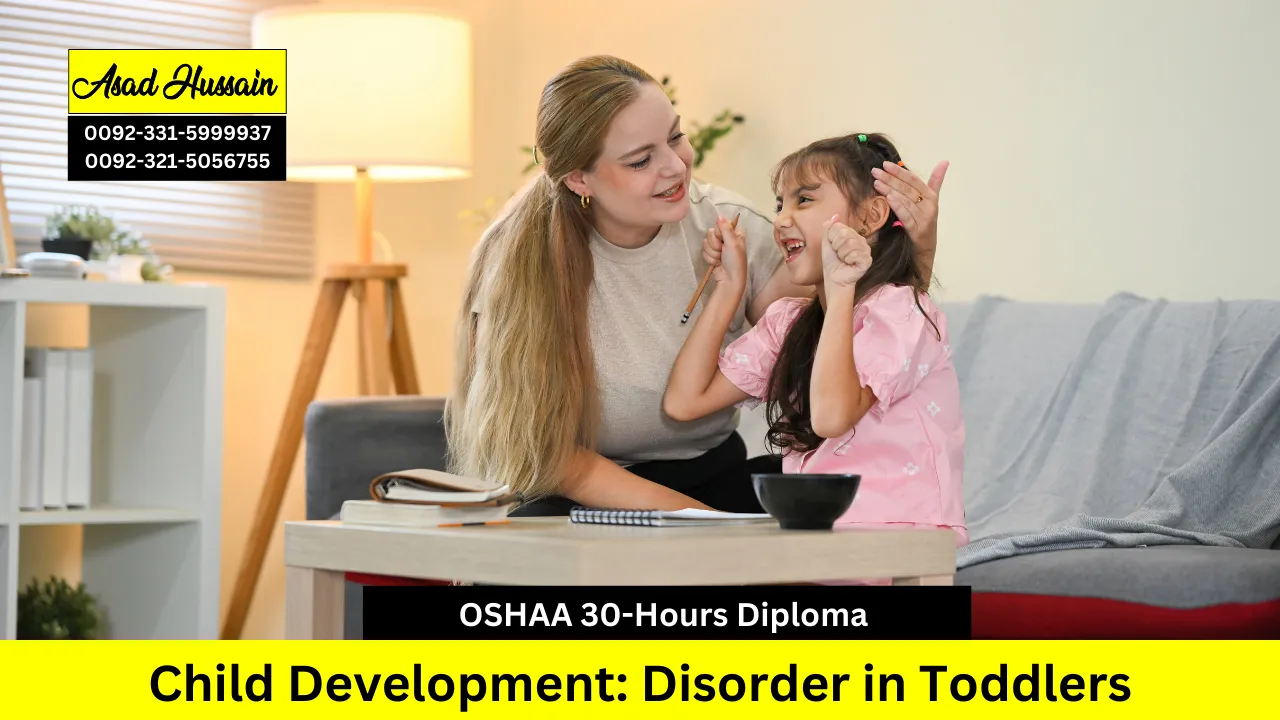
The OSHAA 30-Hours Diploma in Child Development: Disorder in Toddlers is a comprehensive programme designed to provide participants with an in-depth understanding of early childhood development and the challenges toddlers may face. The course focuses on recognising developmental delays, behavioural concerns, and common disorders in toddlers, helping learners develop effective observation and intervention strategies. Participants will explore the physical, cognitive, emotional, and social aspects of toddler development, gaining insights into how these areas interact to shape a child’s overall growth and wellbeing. Emphasis is placed on practical knowledge, real-life scenarios, and structured guidance, enabling childcare professionals, educators, and parents to confidently identify and respond to potential issues in a positive and supportive manner.
Throughout the course, learners will gain the skills to assess toddler behaviour, understand the factors influencing development, and promote healthy growth in everyday settings. The diploma covers strategies for managing behavioural challenges, supporting language and cognitive skills, and fostering emotional resilience. Participants will also examine the role of family, caregivers, and early education environments in shaping a child’s development, ensuring a holistic perspective on toddler care. By the end of the programme, learners will be equipped with actionable tools and approaches to support children with developmental concerns while creating nurturing, structured, and stimulating environments.
The OSHAA 30-Hours Diploma in Child Development: Disorder in Toddlers equips learners with practical knowledge and professional competence to address developmental challenges effectively. Participants receive structured training that combines theoretical insights with applied techniques, enabling confident identification and support of toddlers showing signs of delay or disorder. The course also provides a pathway for further certifications and professional diplomas in childcare, early intervention, and child development fields. With its focus on evidence-based strategies, hands-on approaches, and practical understanding, the diploma prepares learners to make a meaningful difference in the lives of young children and enhance their skills as competent childcare practitioners or educators.
Program Highlights
Study Units
- Overview of Toddler Development and Milestones (3 Hours)
- Common Developmental Disorders in Toddlers (4 Hours)
- Early Identification and Screening Tools (3 Hours)
- Communication and Language Delays (6 Hours)
- Behavioural and Emotional Challenges (5 Hours)
- Motor Skills Development and Disorders (3 Hours)
- Social and Cognitive Development Concerns (3 Hours)
- Family and Environmental Influences on Development (3 Hours)
Entry Requirements
OSHAA 30-Hours Diploma in Child Development: Disorder in Toddlers, participants should meet the following entry criteria to ensure they can engage fully with the course content:
- Age Requirement: Participants must be at least 18 years old at the time of enrolment.
- Educational Background: A minimum of a high school diploma or equivalent is recommended. Applicants with prior qualifications in childcare, early childhood education, health and social care, or related diplomas and certificates will have a strong foundation for this course.
- Language Proficiency: Participants should have a good command of English, both written and spoken, to understand course materials and successfully complete assessments.
- Work Experience (Optional): Previous experience in childcare, education, or related fields is advantageous but not mandatory.
This course is designed to be accessible to a wide range of learners while providing the knowledge and skills needed to work confidently with toddlers experiencing developmental challenges. Meeting these requirements will ensure participants gain the maximum benefit from the diploma and are prepared for practical application of the skills learned.
Learning Outcomes
Overview of Toddler Development and Milestones (3 Hours)
- Understand key developmental milestones for toddlers across physical, cognitive, social, and emotional domains
- Recognise typical patterns and variations in toddler development
- Identify age-appropriate behaviours and skills
- Gain a foundation for assessing developmental progress
Common Developmental Disorders in Toddlers (4 Hours)
- Identify major developmental disorders affecting toddlers, including autism spectrum disorder, speech delays, and motor impairments
- Understand the symptoms and characteristics of these disorders
- Recognise the impact of developmental disorders on overall growth and functioning
- Differentiate between typical developmental variation and signs of disorder
Early Identification and Screening Tools (3 Hours)
- Learn about validated screening tools and assessment methods for early detection
- Develop skills to apply screening tools appropriately in various settings
- Understand the importance of early identification in improving outcomes
- Recognise when to recommend further professional assessment
Communication and Language Delays (6 Hours)
- Understand the stages of language acquisition in toddlers
- Identify signs of speech and communication delays
- Explore factors contributing to communication difficulties
- Develop strategies to support language development and intervention options
Behavioural and Emotional Challenges (5 Hours)
- Recognise common behavioural and emotional issues in toddlers, including tantrums, anxiety, and attachment difficulties
- Understand the underlying causes and contributing factors
- Learn effective behaviour management and emotional support techniques
- Develop approaches to foster positive emotional development
Motor Skills Development and Disorders (3 Hours)
- Understand gross and fine motor skill development in toddlers
- Identify common motor delays and disorders, such as developmental coordination disorder
- Explore assessment techniques for motor skills
- Learn intervention strategies to support motor development
Social and Cognitive Development Concerns (3 Hours)
- Recognise key social and cognitive developmental milestones
- Identify early signs of social or cognitive delays
- Understand the relationship between cognitive development and learning abilities
- Explore strategies to support social interaction and cognitive growth
Family and Environmental Influences on Development (3 Hours)
- Develop awareness of community resources and support systems
- Understand the impact of family dynamics and environmental factors on toddler development
- Recognise how socioeconomic status, culture, and parenting styles influence growth
- Learn strategies to involve families in developmental support
Target Audience
The OSHAA 30-Hours Diploma in Child Development: Disorder in Toddlers is designed for anyone who wants to gain professional knowledge and practical skills in recognising and supporting toddlers with developmental challenges. It is suitable for childcare providers, educators, healthcare support staff, parents, and professionals working in early years settings who wish to enhance their understanding of toddler development and early intervention strategies.
Childcare Professionals and Early Years Educators
- Gain insights into toddler developmental milestones
- Learn to identify early signs of developmental disorders
- Apply practical strategies for supporting toddlers in care settings
- Improve communication and engagement with children
- Develop confidence in creating safe and stimulating learning environments
- Enhance skills in observation and developmental assessment
Healthcare and Support Staff
- Understand developmental delays and common toddler disorders
- Recognise behavioural and emotional challenges in young children
- Learn to support families and caregivers effectively
- Apply early identification and screening techniques
- Gain knowledge relevant to multidisciplinary healthcare teams
- Strengthen skills in monitoring and documenting toddler progress
Parents and Guardians
- Recognise typical versus atypical development in toddlers
- Understand strategies for encouraging healthy growth and development
- Learn to support speech, language, motor, and social skills at home
- Develop confidence in addressing behavioural and emotional issues
- Explore practical tools for creating structured and nurturing environments
- Increase awareness of local resources and support systems
Social Care and Child Welfare Professionals
- Identify risk factors affecting toddler development
- Learn to intervene and support children in at-risk environments
- Understand the impact of family dynamics and socio-economic factors
- Apply strategies to enhance developmental outcomes in vulnerable toddlers
- Develop skills in communicating with caregivers and multidisciplinary teams
- Strengthen professional competence in early childhood support
Professionals in Therapy and Early Intervention
- Explore developmental disorders and early intervention approaches
- Learn strategies to support language, cognitive, and motor development
- Gain knowledge of assessment and observation techniques
- Understand therapeutic approaches for behavioural and emotional support
- Enhance skills in planning interventions tailored to individual toddlers
- Apply evidence-based practices to real-world scenarios
This course provides participants with the knowledge, tools, and confidence to support toddlers effectively, fostering healthy development and positive outcomes across physical, cognitive, emotional, and social domains.