Master Care for Organ Transplant Patients with the Diploma
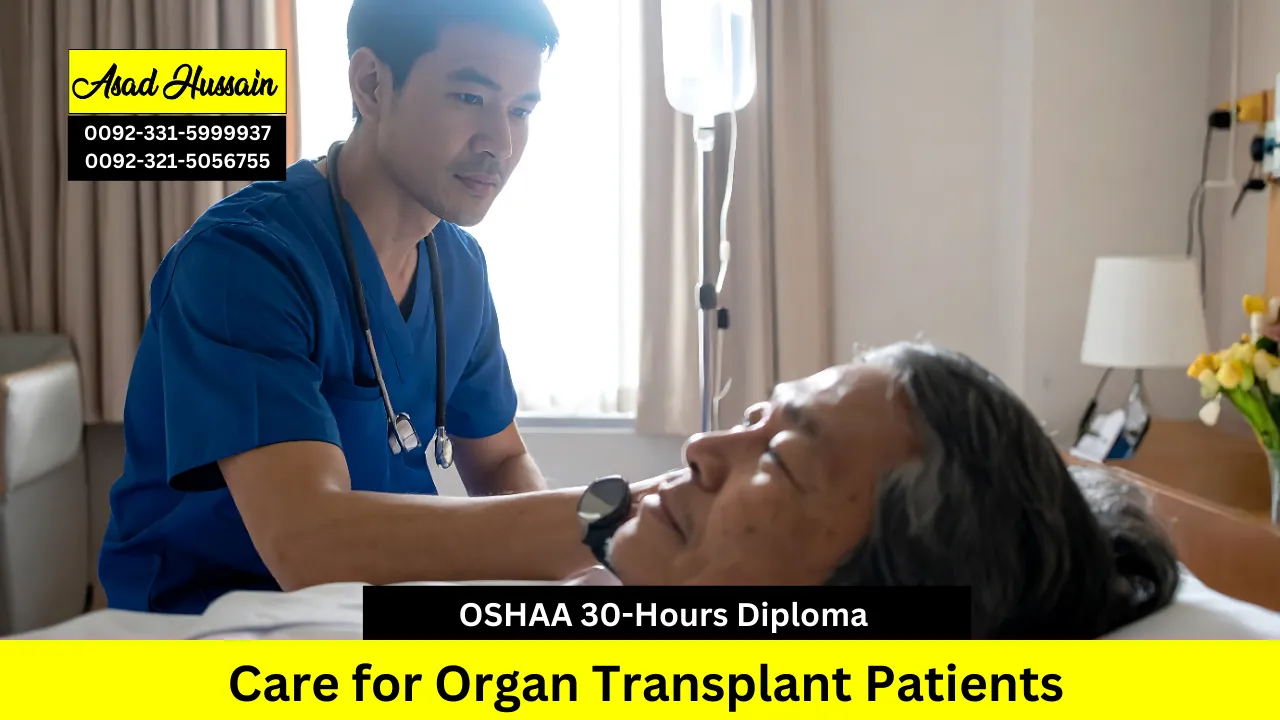
The OSHAA 30-Hours Diploma in Care for Organ Transplant Patients is a professionally designed programme aimed at providing learners with a comprehensive understanding of the specialised care required by organ transplant recipients. This course covers the critical aspects of post-transplant care, including monitoring vital signs, recognising complications, understanding immunosuppressive therapy, and supporting patients’ physical and emotional recovery. Learners will gain practical knowledge to enhance patient safety, improve quality of care, and contribute positively to the overall rehabilitation process for transplant patients in both clinical and home settings.
Throughout the programme, participants explore the principles of organ-specific care, patient assessment, infection control, and managing chronic conditions associated with transplant recovery. The course emphasises the importance of communication, patient education, and multidisciplinary teamwork, enabling learners to respond effectively to the needs of transplant recipients. Case studies and practical examples are included to help learners apply theoretical knowledge in real-world scenarios, reinforcing their ability to make informed decisions and provide empathetic, evidence-based care.
OSHAA 30-Hours Diploma in Care for Organ Transplant Patients equips healthcare professionals, caregivers, and support workers with the specialised skills and knowledge required to manage post-transplant care safely and confidently. Although the course is not Ofqual regulated, it is structured to complement other recognised diplomas and certificates in nursing, healthcare support, patient care, and medical assistance. By completing this programme, learners can enhance their professional competence, improve patient outcomes, and demonstrate commitment to high standards of care in transplant settings.
Program Highlights
Study Units
- Introduction to Organ Transplantation and Post-Operative Care (3 hours)
- Immunosuppressive Therapy: Medications and Management (4 hours)
- Infection Prevention and Control in Transplant Patients (5 hours)
- Monitoring and Managing Signs of Organ Rejection (3 hours)
- Nutritional Needs and Lifestyle Adaptations Post-Transplant (3 hours)
- Psychosocial Support and Patient Communication (6 hours)
- Ethical and Legal Considerations in Organ Transplant Care (3 hours)
- Long-Term Care Planning and Community Support Services (3 hours)
Entry Requirements
To enrol in the OSHAA 30-Hours Diploma in Care for Organ Transplant Patients, learners should meet the following recommended entry requirements to ensure they can fully engage with the course content:
- Age Requirement: Applicants should be at least 18 years old at the time of enrolment to ensure readiness for professional learning and responsibility in patient care.
- Educational Background: A minimum of high school completion or equivalent is recommended. Learners with prior qualifications in healthcare, nursing, or related fields will find the course particularly beneficial. Relevant certifications and diplomas may include a Level 3 Diploma in Health and Social Care, Nursing Assistant Certificate, Caregiving Diploma, Medical Support Certificate, or similar recognised healthcare credentials.
- Language Proficiency: A good standard of English reading, writing, and comprehension is necessary to understand course materials, complete assessments, and communicate effectively with patients and colleagues.
- Work Experience: Previous experience in healthcare, patient care, or support roles is advantageous but not mandatory. Those with hands-on exposure to clinical or home care environments will be able to apply the learning more effectively.
These requirements are designed to ensure learners can confidently participate in the course, gain practical knowledge, and provide safe, informed care for organ transplant patients.
Learning Outcomes
Introduction to Organ Transplantation and Post-Operative Care (3 hours)
Understand the basic principles and procedures involved in organ transplantation
Identify the roles of healthcare professionals in the transplant process
Describe the immediate post-operative care requirements for transplant patients
Recognise common complications following transplant surgery
Immunosuppressive Therapy: Medications and Management (4 hours)
Explain the purpose and function of immunosuppressive medications
Identify common types of immunosuppressive drugs and their side effects
Demonstrate knowledge of medication schedules and adherence strategies
Recognise the risks associated with immunosuppression and ways to mitigate them
Infection Prevention and Control in Transplant Patients (5 hours)
Understand why transplant patients are at high risk for infection
Apply standard and specialised infection control measures in care settings
Identify early signs of infection in transplant patients
Demonstrate safe handling and hygiene practices to protect vulnerable individuals
Monitoring and Managing Signs of Organ Rejection (3 hours)
Recognise clinical signs and symptoms of acute and chronic organ rejection
Understand diagnostic methods used to detect organ rejection
Outline interventions used to manage and treat rejection episodes
Support patients and families during rejection-related care
Nutritional Needs and Lifestyle Adaptations Post-Transplant (3 hours)
Identify dietary guidelines specific to post-transplant recovery
Understand the role of nutrition in maintaining organ health
Provide lifestyle recommendations to support long-term wellness
Assist patients in developing sustainable dietary and activity plans
Psychosocial Support and Patient Communication (6 hours)
Understand the emotional and psychological challenges post-transplant patients face
Demonstrate effective communication strategies with patients and families
Support patients coping with anxiety, depression, or adjustment difficulties
Apply person-centred care principles in emotional support scenarios
Ethical and Legal Considerations in Organ Transplant Care (3 hours)
Understand key ethical principles in organ donation and transplantation
Recognise the legal responsibilities of care providers in transplant settings
Respect patient autonomy and confidentiality
Navigate consent and decision-making processes with sensitivity
Long-Term Care Planning and Community Support Services (3 hours)
Develop individualised care plans for long-term transplant patient support
Identify available community and healthcare resources for post-transplant care
Facilitate access to ongoing support services for patients and families
Promote self-management and follow-up care compliance
Target Audience
This course is designed for healthcare professionals, caregivers, and support staff who want to develop specialised skills in caring for organ transplant patients. It is ideal for individuals seeking to enhance their knowledge of post-operative care, immunosuppressive therapy, infection control, and long-term patient support to ensure safe and effective outcomes.
Aspiring Healthcare Practitioners
- Individuals beginning a career in nursing or patient care
- Learners seeking foundational knowledge in organ transplant care
- Those aiming to work in hospitals, clinics, or care facilities
- Career changers interested in specialised patient care roles
- Learners looking to gain confidence in handling complex medical conditions
Nurses and Medical Support Staff
- Professionals seeking to expand their understanding of post-transplant care
- Nurses aiming to improve patient monitoring and medication management
- Staff wanting to enhance skills in infection prevention and control
- Practitioners looking to recognise early signs of organ rejection
- Individuals seeking practical knowledge to support patient recovery and rehabilitation
Caregivers and Home Care Providers
- Family caregivers supporting transplant patients at home
- Home care workers looking to improve care quality and safety
- Professionals wanting to provide dietary, lifestyle, and medication guidance
- Care providers aiming to manage post-operative complications effectively
- Individuals focused on promoting long-term wellness and patient independence
Healthcare Educators and Trainers
- Professionals delivering training in nursing or patient care programs
- Educators looking to incorporate transplant care knowledge into curricula
- Trainers seeking case studies and practical approaches for student learning
- Staff developing resources for patient support and guidance
- Individuals aiming to enhance teaching skills with specialised content
Clinic Owners and Healthcare Coordinators
- Hospital and clinic managers responsible for transplant patient programs
- Professionals developing care protocols and long-term support strategies
- Administrators overseeing patient safety, treatment compliance, and follow-up
- Staff aiming to implement evidence-based practices for transplant care
- Individuals looking to strengthen multidisciplinary teamwork and communication
Individuals with a Personal Interest in Transplant Care
- Learners passionate about understanding organ transplant procedures and recovery
- Family members or supporters of transplant patients seeking structured knowledge
- People interested in specialised patient care, monitoring, and support techniques
- Individuals wishing to provide safe, informed care in personal or professional settings
- Those aiming to improve confidence and competence in managing complex patient needs
Overall, this course is suitable for motivated learners who want to combine scientific knowledge, practical skills, and professional competence to provide safe, high-quality care for organ transplant patients.