Empower Children Affected by Absentee Parents – Diploma
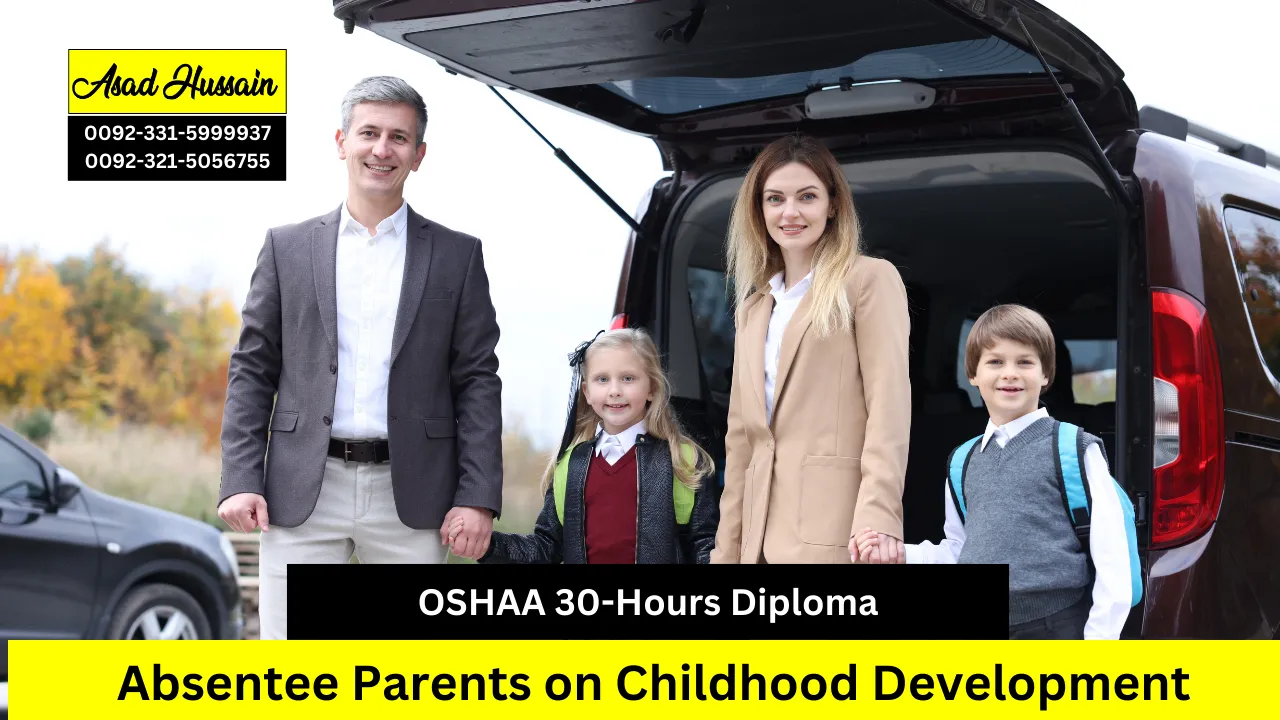
The absence of a parent during childhood can create profound and lasting effects on a child’s emotional, social, and psychological development. The OSHAA 30-Hours Diploma in Absentee Parents on Childhood Development provides learners with a comprehensive understanding of how parental absence shapes developmental trajectories. This programme explores the complex dynamics of attachment, emotional regulation, and identity formation in children experiencing temporary or permanent separation from a parent.
Participants will examine key topics including the psychological impact of divorce, military deployment, incarceration, and work-related absence on children’s wellbeing. The curriculum covers attachment theory, resilience factors, and the role of remaining caregivers in mitigating developmental challenges. Learners will also explore intervention strategies, support mechanisms, and the importance of creating stable, nurturing environments for children navigating parental absence.
Building upon this foundation, the OSHAA 30-Hours Diploma in Absentee Parents on Childhood Development concludes with an assessment that validates your understanding of this critical developmental topic. Upon successful completion, you will be prepared to pursue further certifications and diplomas to deepen your knowledge in areas such as child psychology, counselling, or family support services. This course represents a meaningful step in your professional journey, positioning you to better understand and support children affected by parental absence.
Program Highlights
Study Units
- Understanding Absentee Parenting: Definitions and Types (3 hours)
- Child Development and the Role of Parental Presence (3 hours)
- Psychological Impact of Absentee Parents on Children (4 hours)
- Emotional and Behavioural Responses in Affected Children (3 hours)
- Attachment Theory and Disrupted Bonds (5 hours)
- The Role of Substitute Caregivers and Support Networks (5 hours)
- Strategies to Support Emotional Resilience and Coping Skills (5 hours)
- Educational Challenges Faced by Children with Absent Parents (2 hours)
Entry Requirements
To enroll in the OSHAA 30-Hours Diploma in Absentee Parents on Childhood Development, candidates must meet the following minimum entry criteria:
- Age: 16 years or older.
- Education: Basic literacy and numeracy required. A foundational understanding of child development or psychology is beneficial. Relevant prior learning may include a Level 2 Certificate in Child Development, a Diploma in Child Psychology, GCSEs in Psychology or Sociology, or a Certificate in Counselling Skills.
- Language: Competency in English (written and spoken); non-native speakers should have an IELTS 5.5 or equivalent.
- Experience: No prior work experience required; suitable for students, teaching assistants, social care workers, counsellors, and parents.
These criteria ensure you have the foundational skills to succeed. Candidates with relevant experience in education, childcare, or social services are encouraged to apply.
Learning Outcomes
Understanding Absentee Parenting: Definitions and Types (3 Hours)
- Define the concept of absentee parenting and its various forms
- Distinguish between physical, emotional, and situational absence
- Recognise the social and cultural factors contributing to parental absence
- Understand the short- and long-term implications of different types of absenteeism
Child Development and the Role of Parental Presence (3 Hours)
- Understand key stages of child development and the influence of parental involvement
- Explain the significance of secure parental attachment in early childhood
- Assess how parental presence or absence impacts emotional, cognitive, and social growth
- Identify protective factors that mitigate the effects of parental absence
Psychological Impact of Absentee Parents on Children (4 Hours)
- Analyse the psychological effects of parental absence on children of different ages
- Understand common emotional challenges such as anxiety, grief, and identity issues
- Examine the development of self-esteem and emotional security in affected children
- Identify signs of psychological distress linked to absentee parenting
Emotional and Behavioural Responses in Affected Children (3 Hours)
- Recognise typical emotional and behavioural patterns in children with absent parents
- Understand the connection between emotional regulation and behavioural outcomes
- Identify risk behaviours and coping mechanisms used by affected children
- Apply observational techniques to assess children’s emotional and behavioural states
Attachment Theory and Disrupted Bonds (5 Hours)
- Explain the principles of attachment theory and its relevance to absentee parenting
- Identify different attachment styles and how they are formed
- Understand the consequences of disrupted or insecure attachments
- Develop approaches to support healthy attachment in the absence of a parent
The Role of Substitute Caregivers and Support Networks (5 Hours)
- Identify the roles and responsibilities of substitute caregivers
- Understand the importance of consistent and nurturing relationships
- Evaluate the effectiveness of extended family, foster care, and community support
- Learn strategies to strengthen support networks for affected children
Strategies to Support Emotional Resilience and Coping Skills (5 Hours)
- Develop techniques to build emotional resilience in children facing parental absence
- Apply age-appropriate coping strategies to different developmental stages
- Support children in managing transitions and emotional uncertainty
- Create supportive environments that promote emotional well-being
Educational Challenges Faced by Children with Absent Parents (2 Hours)
- Identify academic and behavioural challenges commonly experienced by affected children
- Understand how absentee parenting influences school performance and engagement
- Apply intervention strategies within educational settings
- Collaborate with teachers and support staff to address learning needs
Target Audience
The OSHAA 30-Hours Diploma in Absentee Parents on Childhood Development is designed for anyone seeking to understand and support children navigating the complex challenges of parental absence. Whether you are a professional working with children, a caregiver, or someone personally affected by this issue, this course provides essential insights into the psychological, emotional, and developmental impacts of absentee parenting.
Teachers and Teaching Assistants
- Gain deeper understanding of how parental absence affects classroom behaviour and learning
- Learn to identify signs of emotional distress linked to absentee parenting
- Develop strategies to support affected children within educational settings
- Build stronger relationships with students experiencing family instability
- Collaborate effectively with parents, carers, and support services
- Create inclusive classrooms that address diverse family backgrounds
Social Workers and Family Support Practitioners
- Understand the complex dynamics of families affected by parental absence
- Assess the impact of different types of absence on child wellbeing
- Develop intervention strategies tailored to individual family circumstances
- Support substitute caregivers in providing stable, nurturing environments
- Work effectively with multidisciplinary teams to safeguard children
- Enhance your ability to advocate for children’s emotional and developmental needs
Counsellors and Therapists Working with Children
- Deepen your understanding of attachment theory and disrupted bonds
- Learn therapeutic approaches for children experiencing grief and loss
- Develop techniques to build emotional resilience in young clients
- Recognise psychological distress indicators linked to parental absence
- Support children in processing complex emotions around absent parents
- Enhance your clinical practice with specialised knowledge in this area
Foster Carers and Substitute Caregivers
- Understand the unique challenges children in care may face
- Learn strategies to build secure attachments with children who have experienced separation
- Develop skills to support emotional regulation and behavioural challenges
- Create stable, nurturing home environments that promote healing
- Work effectively with social services and birth families
- Build confidence in supporting children through transitions and uncertainty
Early Years Practitioners and Nursery Staff
- Recognise how parental absence affects very young children’s development
- Understand attachment behaviours in early childhood settings
- Learn to provide consistent, nurturing care that supports emotional security
- Identify early signs of distress related to separation from parents
- Communicate sensitively with parents and carers about children’s needs
- Create supportive environments that help young children feel safe and valued
Youth Workers and Community Support Staff
- Understand how parental absence influences adolescent development and behaviour
- Develop mentoring strategies that provide positive adult role models
- Support young people in building resilience and coping skills
- Recognise risk behaviours and provide appropriate interventions
- Connect young people with community resources and support networks
- Build trusting relationships that help compensate for parental absence
Parents and Family Members
- Gain professional insight into how parental absence affects children’s development
- Understand the emotional and psychological needs of children experiencing separation
- Learn practical strategies to support children through difficult transitions
- Develop communication skills to talk openly about absence and feelings
- Build stronger, more resilient family relationships despite challenges
- Access resources and strategies to create stability and security at home
This diploma empowers you to make a meaningful difference in the lives of children affected by parental absence. No matter your role or background, the comprehensive knowledge and practical strategies gained will enable you to provide informed, compassionate support that helps children thrive despite the challenges they face.