Accelerate Your Career: 14001:2026 EMS Foundation Certification Course
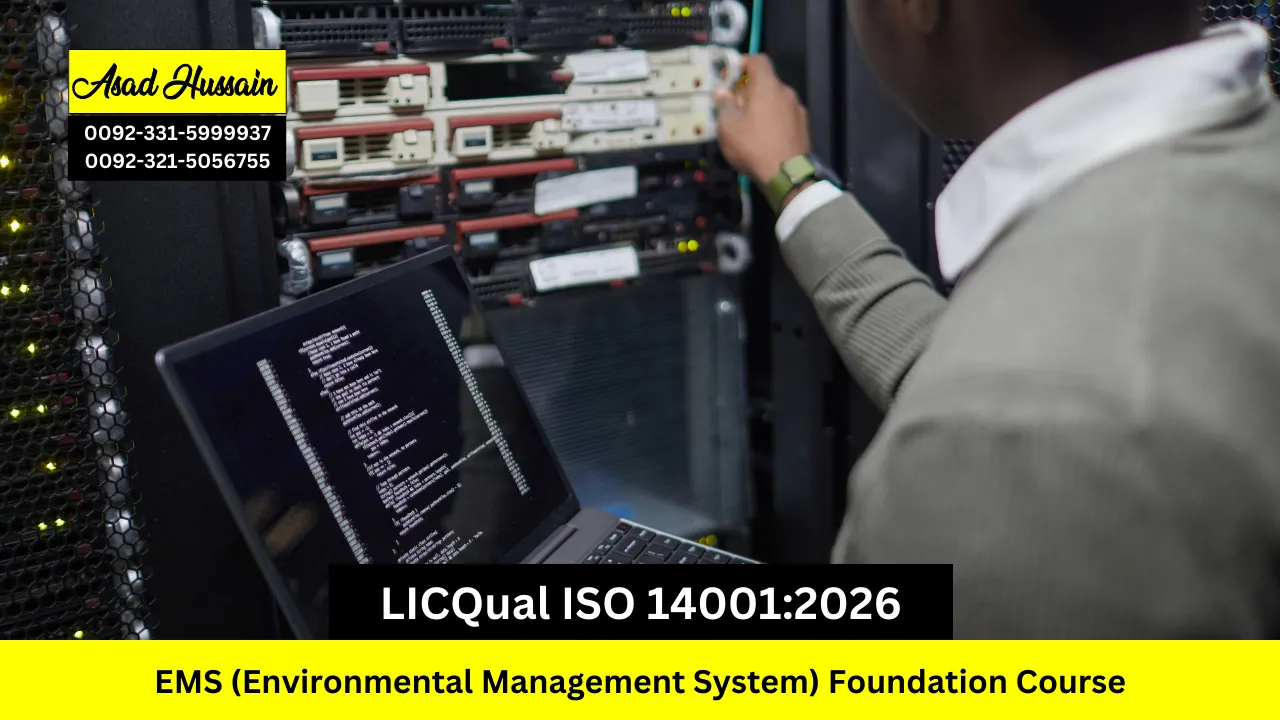
The LICQual ISO 14001:2026 EMS Foundation Course is designed to provide participants with a clear understanding of the updated environmental management system requirements. This program introduces the principles of ISO 14001:2026, focusing on sustainability, compliance, and effective environmental practices. Learners gain practical insights into how organizations can adapt to the latest standards while building confidence in applying EMS concepts to real‑world scenarios.
This course highlights the importance of environmental responsibility in modern organizations. Participants explore essential topics such as risk‑based thinking, environmental performance improvement, and compliance strategies. Through interactive learning methods and practical examples, learners develop the ability to identify gaps, implement corrective actions, and support continuous improvement initiatives that strengthen environmental sustainability.
The LICQual ISO 14001:2026 EMS Foundation Course also provides recognition through certifications and diplomas that validate professional competence in environmental management. These credentials demonstrate expertise in managing transitions and readiness to contribute to organizational excellence. Completing this course positions participants as capable professionals who can support compliance, efficiency, and long‑term sustainability in environmental systems.
Program Highlights
Study Units
- Environmental Sustainability & EMS Framework
- ISO 14001:2026 Structure & Lifecycle Perspective
- Organizational Context & Environmental Governance
- Environmental Aspects, Impacts & Risk Thinking
- Digital EMS & AI-Enabled Environmental Monitoring
- Compliance, Performance & Continual Improvement
Entry Requirements
- Age Requirement: Applicants must be at least 18 years old to enroll, ensuring maturity and readiness for professional training.
- Educational Background: A minimum of a high school diploma or equivalent is required. Candidates holding related diplomas or certificates in Environmental Management, Quality Management, Occupational Health & Safety, or Business Administration will find the course especially beneficial.
- Language Proficiency: Learners should have a good command of English, as all course materials, discussions, and assessments are delivered in English.
- Work Experience: Previous work experience is not mandatory, but exposure to organizational processes, compliance, or environmental management practices can provide an advantage.
These entry requirements ensure that participants have the right foundation to benefit fully from the LICQual ISO 14001:2026 EMS Foundation Course. Meeting these criteria allows learners to gain recognized certifications and diplomas that validate their competence in environmental management and transition practices.
Learning Outcomes
Environmental Sustainability & EMS Framework
- Understand the core principles of environmental sustainability in organizations.
- Explain the purpose and benefits of an effective EMS framework.
- Identify the role of environmental policies in achieving sustainability objectives.
- Explore methods to integrate sustainability into operational practices.
- Recognize the connection between energy efficiency and environmental impact.
- Apply basic strategies for promoting environmental responsibility in organizations.
ISO 14001:2026 Structure & Lifecycle Perspective
- Learn the structure and key clauses of ISO 14001:2026 EMS standards.
- Understand the lifecycle perspective of products, services, and processes.
- Explore how EMS requirements apply across different organizational stages.
- Analyze environmental interactions at each stage of the lifecycle.
- Identify opportunities for improving environmental performance through lifecycle thinking.
- Apply foundational concepts of EMS for real-world organizational implementation.
Organizational Context & Environmental Governance
- Understand the concept of organizational context in EMS implementation.
- Explore governance structures supporting effective environmental management.
- Identify internal and external factors influencing EMS performance.
- Learn how to align EMS objectives with strategic organizational goals.
- Recognize roles and responsibilities for environmental governance.
- Apply principles of transparency and accountability in EMS operations.
Environmental Aspects, Impacts & Risk Thinking
- Identify environmental aspects and their potential impacts.
- Apply risk-based thinking to assess and prioritize environmental risks.
- Learn techniques for monitoring and evaluating environmental impacts.
- Understand legal and compliance requirements for EMS.
- Explore strategies to mitigate negative environmental effects.
- Integrate risk awareness into foundational EMS decision-making processes.
Digital EMS & AI-Enabled Environmental Monitoring
- Understand the role of digital tools in EMS monitoring and reporting.
- Explore AI applications for data analysis and predictive environmental insights.
- Learn to use digital dashboards for tracking energy and environmental performance.
- Apply technology for efficient monitoring of environmental aspects and impacts.
- Recognize how AI enhances decision-making and resource management.
- Integrate digital solutions into foundational EMS practices for sustainability.
Compliance, Performance & Continual Improvement
- Understand compliance requirements under ISO 14001:2026 EMS standards.
- Learn methods to measure EMS performance and effectiveness.
- Explore techniques for identifying non-conformities and gaps.
- Apply basic corrective and preventive actions for continuous improvement.
- Monitor key performance indicators to track environmental progress.
- Build a foundation for fostering continual improvement in energy management systems.
Target Audience
The LICQual ISO 14001:2026 EMS Foundation Course is designed for individuals and organizations committed to strengthening their environmental management practices, ensuring compliance with updated standards, and building a culture of sustainability.
Environmental Managers and Supervisors
- Overseeing environmental compliance and sustainability programs
- Seeking to understand ISO 14001:2026 requirements in detail
- Focused on improving organizational environmental performance
- Interested in enhancing leadership in environmental management practices
- Looking to strengthen resilience and sustainability initiatives
Internal Auditors and Compliance Officers
- Conducting audits and ensuring compliance with environmental standards
- Aiming to refine auditing and transition techniques
- Ensuring adherence to ISO 14001:2026 requirements
- Developing skills to identify risks and corrective actions
- Building confidence in managing compliance processes independently
Operations and Production Professionals
- Managing processes that directly affect environmental impact
- Seeking to understand EMS requirements at operational levels
- Interested in applying ISO 14001:2026 principles to production systems
- Focused on minimizing waste and improving efficiency
- Supporting compliance and continuous improvement initiatives
Business Administration and Process Improvement Specialists
- Driving organizational efficiency and sustainability strategies
- Seeking to integrate EMS principles into business operations
- Interested in applying risk‑based thinking to management systems
- Focused on reducing inefficiencies and enhancing environmental responsibility
- Looking to contribute to long‑term organizational resilience
Health, Safety, and Environment Professionals
- Working in roles that intersect with environmental and compliance standards
- Interested in integrating EMS principles into safety practices
- Seeking to enhance organizational resilience through transitions
- Focused on aligning safety and environmental standards
- Building broader expertise in compliance and management systems
Professionals Seeking Career Growth
- Aspiring to gain certifications and diplomas in environmental management
- Looking to validate expertise through recognized credentials
- Interested in expanding career opportunities in auditing and compliance
- Seeking to position themselves as trusted environmental professionals
- Focused on long‑term career recognition and advancement
This course empowers professionals across diverse roles, ensuring they gain the skills, confidence, and certification needed to lead effectively and contribute to organizational excellence in environmental management systems.