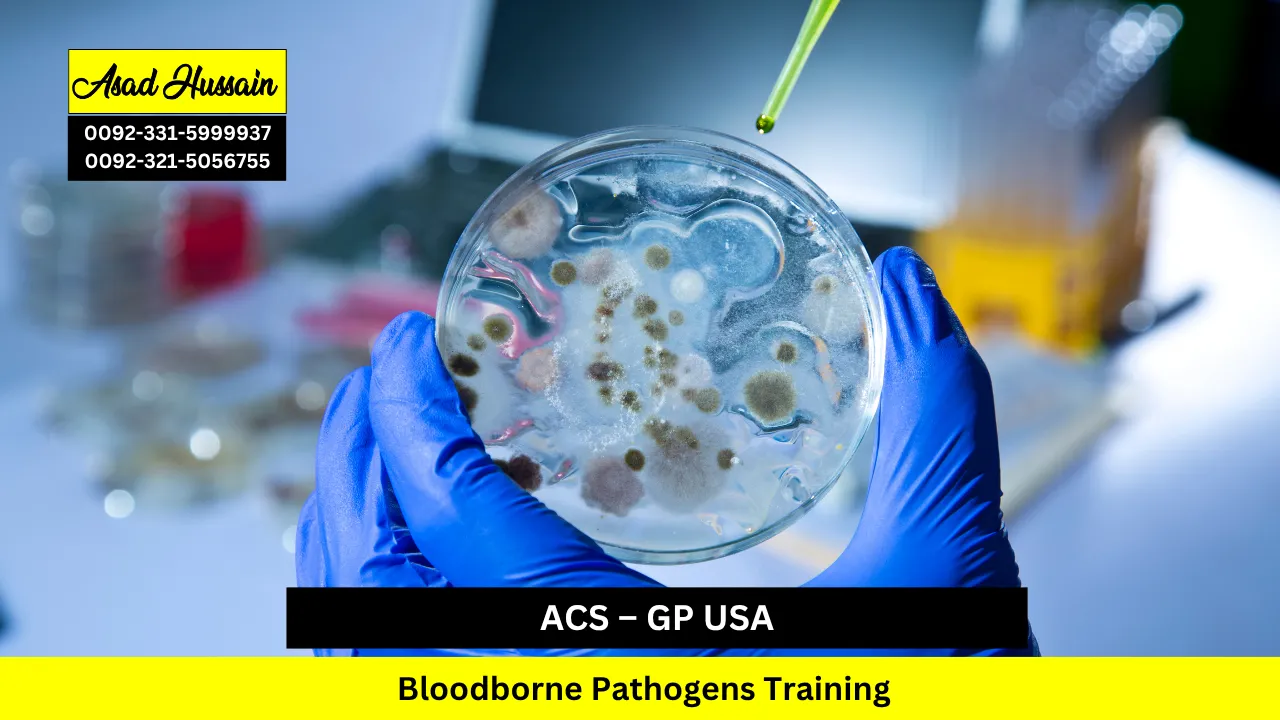
The ACS – GP USA Bloodborne Pathogens Training is a specialised workplace safety programme designed to provide Learners with the knowledge and practical awareness needed to prevent exposure to bloodborne pathogens and other potentially infectious materials. Bloodborne pathogens are harmful microorganisms found in human blood and bodily fluids that can cause serious diseases such as Hepatitis B (HBV), Hepatitis C (HCV), and Human Immunodeficiency Virus (HIV). This training equips professionals with essential skills to identify exposure risks, implement infection control measures, and maintain a safe working environment.
The course covers key topics including bloodborne pathogen awareness, routes of transmission, exposure prevention strategies, personal protective equipment (PPE), safe handling and disposal of contaminated materials, hygiene practices, incident reporting, and emergency response procedures. Learners will gain a clear understanding of how to reduce occupational exposure risks and comply with recognised workplace health and safety requirements.
This certification is particularly valuable for healthcare professionals, first responders, laboratory personnel, cleaning and maintenance staff, dental workers, childcare providers, and other professionals who may encounter blood or potentially infectious materials during their work activities. It supports organisations in strengthening workplace safety, protecting employees, and promoting a culture of infection prevention and risk management.
Upon completion, Learners will possess the knowledge and confidence required to recognise biological hazards, apply effective exposure control measures, and contribute to safer, healthier, and more compliant workplaces across a wide range of industries.
Program Highlights
Course Objective
- Understand OSHA’s bloodborne pathogens standard and its workplace requirements.
- Identify risks associated with bloodborne pathogens, such as HIV and hepatitis.
- Learn to develop and implement exposure control plans for workplace safety.
- Develop skills to use personal protective equipment (PPE) to prevent pathogen exposure.
- Explore proper cleanup and disposal procedures for biohazardous materials.
- Gain knowledge of post-exposure response and reporting protocols.
- Understand the importance of training and communication for pathogen safety.
- Learn to document exposure incidents and maintain compliance records.
Entry Requirements
The following entry requirements are recommended to ensure learners can successfully complete the program:
- Age Requirement: Learners should be at least 18 years of age.
- Educational Background: No formal academic qualifications are required.
- Professional Experience: Extensive experience in senior management, quality leadership, or process improvement roles is essential
- English Proficiency: Learners should have a good understanding of English and strong communication skills.
Course Learning Outcomes
- Apply OSHA Bloodborne Pathogens Standard requirements (29 CFR 1910.1030) in workplace settings to ensure regulatory compliance.
- Identify potential sources of bloodborne pathogen exposure and implement effective risk control measures.
- Develop and apply exposure control plans to minimize occupational health risks in real-world environments.
- Demonstrate correct use of personal protective equipment (PPE) and follow safe cleaning, disinfection, and disposal procedures.
- Respond appropriately to exposure incidents, including immediate containment actions and reporting protocols.
- Support infection prevention practices through clear communication and safety awareness in the workplace.
- Maintain accurate documentation of exposure incidents, safety procedures, and compliance records for audit readiness.
Target Audience
The ACS – GP USA Bloodborne Pathogens Training is designed for individuals who may be exposed to blood, bodily fluids, or other potentially infectious materials during their work activities. It is suitable for professionals seeking to improve workplace safety, reduce exposure risks, and strengthen infection prevention practices.
This course is ideal for:
- Healthcare Workers and Medical Professionals
- Nurses and Nursing Assistants
- Doctors and Physicians
- Dental Professionals and Dental Assistants
- Laboratory Technicians and Laboratory Personnel
- Emergency Medical Technicians (EMTs)
- Paramedics and First Responders
- Firefighters and Rescue Personnel
- Occupational Health and Safety Professionals
- Hospital and Clinic Support Staff
- Care Home and Community Care Workers
- Childcare and Educational Facility Staff
- Cleaning, Housekeeping, and Janitorial Personnel
- Waste Management and Sanitation Workers
- Security Personnel and Law Enforcement Officers
- Tattoo and Body Piercing Professionals
- Beauty and Personal Care Professionals
- Maintenance and Facilities Personnel
- Human Resources and Workplace Safety Coordinators
- Anyone Responsible for Workplace Infection Prevention and Exposure Control
This certification is also valuable for organisations seeking to strengthen infection control measures, improve employee safety awareness, and reduce the risk of occupational exposure to bloodborne pathogens and infectious materials. Learners will gain practical knowledge that supports safer workplaces, regulatory compliance, and effective exposure prevention across a wide range of industries.