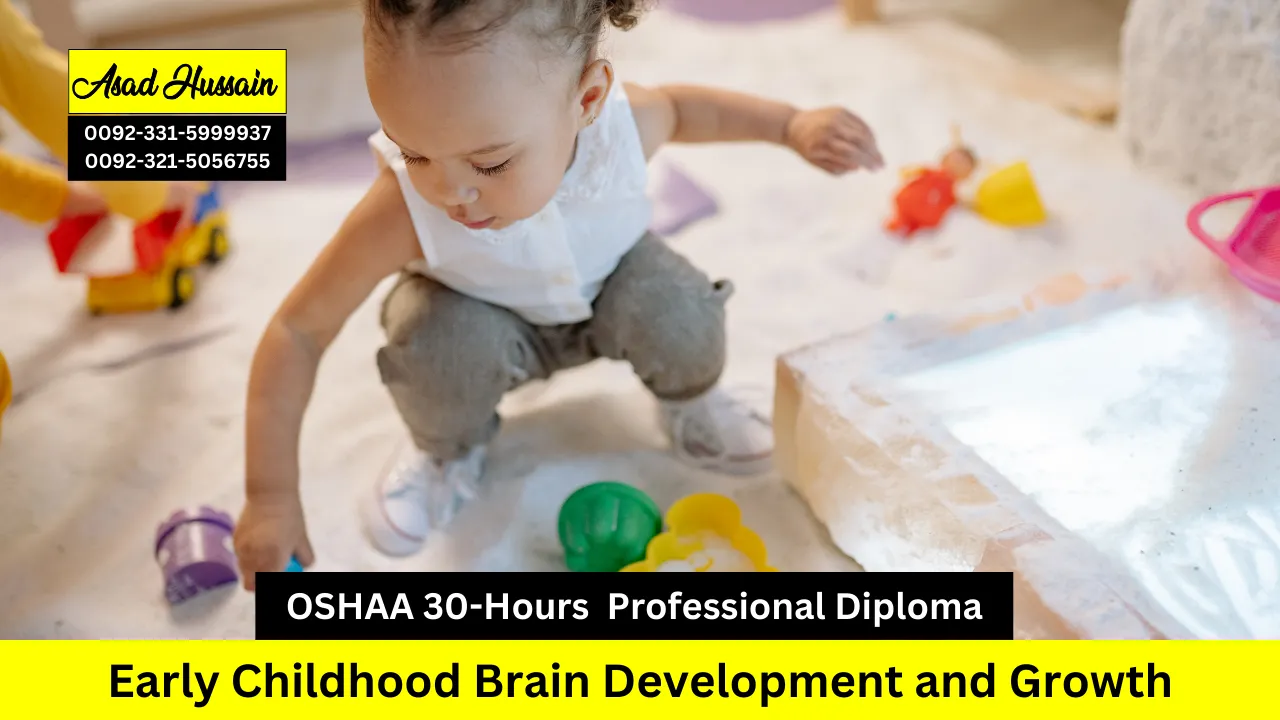
Become an Expert in Pediatric Brain Growth: Diploma
The OSHAA 30-Hour Diploma in Early Childhood Brain Development and Growth offers an immersive exploration into the critical formative years of a child’s life. This curriculum is meticulously crafted for educators, childcare providers, and developmental specialists who want to master the neurological milestones that define early human potential. By understanding how neural pathways are formed and strengthened, participants gain the scientific literacy needed to create enriching environments that foster cognitive, emotional, and social resilience. This course provides a high-level professional perspective on pediatric growth, ensuring you can support the most sensitive stages of childhood development with absolute confidence and expertise.
While this program is an independent offering and not Ofqual regulated, it maintains rigorous academic integrity aligned with global standards in pediatric neuroscience. The training emphasizes the practical application of brain-based learning strategies, allowing you to translate complex biological concepts into effective daily interactions. You will investigate how nutrition, play, and sensory stimulation act as catalysts for healthy brain architecture, learning to identify both typical growth patterns and potential developmental delays. Completing this 30-hour journey ensures you possess the specialized skills to optimize early learning outcomes and advocate for evidence-based care in any professional educational or clinical setting.
OSHAA 30-Hour Diploma in Early Childhood Brain Development and Growth serves as a prestigious cornerstone for your professional portfolio, validating your mastery of early neurological milestones. Achieving this credential distinguishes you as a dedicated specialist capable of navigating the delicate intersection of biological science and early childhood pedagogy. This professional milestone also paves the way for you to pursue further certifications and diplomas in neurodevelopmental disorders, pediatric nutrition, or advanced behavioral psychology. By securing this diploma, you are not just gaining knowledge; you are earning a respected mark of excellence that highlights your readiness to lead developmental initiatives and drive meaningful change for the next generation.
Program Highlights
Study Units
- Introduction to Early Childhood Brain Development (3 hours)
- Key Stages of Brain Development in Early Childhood (4 hours)
- The Role of Genetics and Environment in Brain Growth (4 hours)
- Sensory Experiences and Cognitive Development (5 hours)
- The Importance of Attachment and Emotional Development (4 hours)
- Language Development and its Impact on Brain Function (4 hours)
- Motor Skills Development and Brain Growth (3 hours)
- Nutrition and Physical Activity in Early Brain Development (3 hours)
Entry Requirements
To ensure professional standards, the OSHAA 30-Hour Diploma in Early Childhood Brain Development and Growth requires the following:
- Age & Education: 18+ years old with a High School Diploma. Priority is given to those with a Level 3 Certificate in Childcare or a Diploma in Early Years Education.
- Language: B2-level English proficiency to handle complex neurological terminology and developmental milestones.
- Experience: 1 year in nursery education, pediatric care, or social work is recommended for practical application.
Learning Outcomes
Introduction to Early Childhood Brain Development
- Understand the basic structure and function of the brain during early childhood.
- Recognise how early brain development influences a child’s cognitive, emotional, and social abilities.
- Learn about critical developmental periods that play a key role in learning and behaviour formation.
Key Stages of Brain Development in Early Childhood
- Identify the major stages of brain development from birth through the early childhood years.
- Understand important developmental milestones related to sensory, cognitive, and motor skills.
- Recognise how early life experiences contribute to shaping brain connections and development.
The Role of Genetics and Environment in Brain Growth
- Learn how genetic factors influence the growth and functioning of the developing brain.
- Understand how environmental elements such as nutrition, caregiving, and stimulation affect brain development.
- Explore the interaction between genetics and environment in shaping a child’s brain growth and learning potential.
Sensory Experiences and Cognitive Development
- Understand how sensory inputs such as sight, sound, touch, and movement support brain development.
- Learn how sensory stimulation contributes to cognitive skills like attention, memory, and problem-solving.
- Recognise the importance of play and exploration in strengthening neural connections and learning abilities.
The Importance of Attachment and Emotional Development
- Understand the concept of attachment and its role in healthy brain development.
- Learn how secure emotional bonds support emotional regulation and social competence.
- Recognise how early emotional experiences influence future mental health and behavioural patterns.
Language Development and its Impact on Brain Function
- Understand the stages of language development during early childhood.
- Learn how language exposure supports brain structure, communication skills, and cognitive growth.
- Recognise the importance of early interaction and communication for later literacy and academic success.
Motor Skills Development and Brain Growth
- Understand the connection between physical movement and brain development.
- Learn how the development of gross and fine motor skills supports cognitive and neurological growth.
- Recognise the importance of active play and movement in strengthening brain pathways.
Nutrition and Physical Activity in Early Brain Development
- Learn about key nutrients required for healthy brain development in children.
- Understand how regular physical activity contributes to brain health and cognitive performance.
- Recognise the importance of balanced nutrition and an active lifestyle in supporting overall brain development and wellbeing.
Target Audience
The OSHAA 30-Hour Diploma in Early Childhood Brain Development and Growth is an elite professional program designed for those dedicated to mastering the biological and neurological foundations of the first five years of life.
Early Childhood Educators and Preschool Teachers
- Nursery teachers seeking to implement brain-based learning strategies.
- Preschool administrators designing developmentally appropriate curricula.
- Montessori and Waldorf practitioners aligning methods with neuroscience.
- Kindergarten assistants focused on cognitive milestone tracking.
- Early years practitioners aiming to improve classroom engagement.
- Home-schooling parents looking for scientific pedagogical frameworks.
Pediatric Healthcare and Clinical Professionals
- Pediatric nurses monitoring physical and neurological growth markers.
- Occupational therapists specializing in early sensory integration.
- Speech and language therapists understanding neural speech centers.
- Nutritionists focusing on brain-boosting diets for early development.
- Child psychologists requiring a deep dive into brain architecture.
- Medical students specializing in early childhood neurobiology.
Social Workers and Child Welfare Advocates
- Case workers assessing the impact of trauma on brain growth.
- Foster care coordinators managing developmental support plans.
- Community health officers promoting early intervention awareness.
- NGO staff working in early childhood nutrition and care programs.
- Family support workers helping parents understand behavioral triggers.
- Youth advocates focusing on the long-term effects of early neglect.
Special Educational Needs (SEN) Specialists
- SEN Coordinators identifying early signs of neurodivergence.
- Behavioral therapists designing interventions for developmental delays.
- Learning support assistants working with sensory processing issues.
- Inclusion officers creating accessible environments for all learners.
- Diagnostic support staff utilizing brain growth benchmarks.
- Adaptive technology specialists focusing on early cognitive aids.
Nannies and Professional Childcare Providers
- Private nannies seeking a high-level professional credential.
- Au pairs wanting to offer science-backed developmental activities.
- Childcare agency managers setting standards for elite care.
- Daycare owners aiming to market a brain-conscious facility.
- Night nurses specializing in the neurological importance of sleep.
- Maternity nurses supporting early bonding and brain synchronization.
Educational Policy Makers and Researchers
- Curriculum developers focusing on evidence-based early learning.
- Academic researchers studying the “nature vs. nurture” impact.
- Government consultants for early childhood health and safety.
- Textbook authors focusing on pediatric cognitive development.
- Grant writers for early childhood development initiatives.
- School board members overseeing early intervention funding.