Master Pediatric Communication with the Professional Diploma
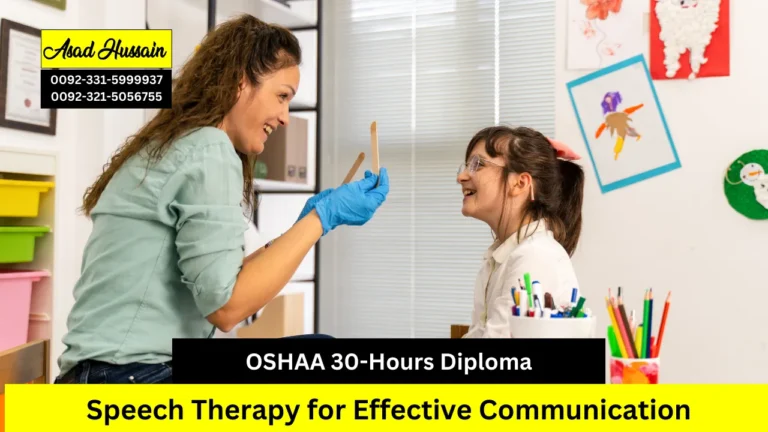
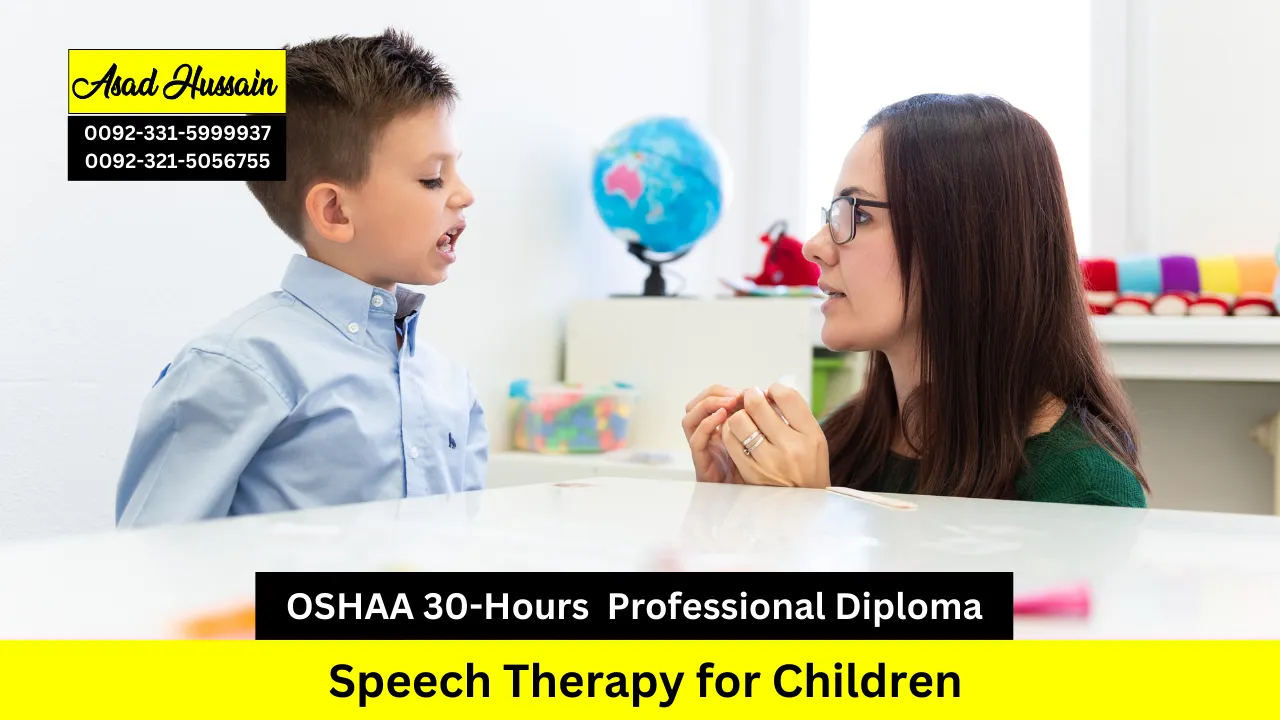
The OSHAA 30-Hours Professional Diploma in Speech Therapy for Children provides an intensive clinical exploration into the developmental milestones of verbal communication and the complex physiological mechanisms of phonological articulation. This curriculum is meticulously designed to bridge the gap between basic language support and advanced specialized intervention for pediatric populations facing expressive or receptive delays. Students will analyze the various classifications of communication disorders, including stuttering, apraxia, and dysarthria, while mastering the neurological foundations of language acquisition and cognitive processing.
Participants will engage with advanced modules covering site-specific communication risk assessments, the implementation of augmentative and alternative communication frameworks, and the ethical guidelines governing therapeutic interaction and pediatric dignity. While this program is an independent professional development offering and does not fall under Ofqual regulation, it remains a vital asset for those dedicated to mastering the art of pediatric habilitation and long-term communication management. The training emphasizes practical application, ensuring that therapists and educators can identify secondary complications like social withdrawal or literacy delays before they escalate.
The OSHAA 30-Hours Professional Diploma in Speech Therapy for Children serves as a significant milestone for healthcare practitioners looking to validate their expertise in neurodevelopmental conditions and childhood communication management. Upon successful completion, individuals may find this foundational knowledge serves as a robust pillar when pursuing additional specialized certifications or advanced diplomas in pediatric nursing and rehabilitative therapy. These further credentials can enhance a professional’s portfolio, offering a broader scope of authority in multidisciplinary health clinics and specialized educational institutions.
Program Highlights
Study Units
- Introduction to Speech and Language Development in Children (2 hours)
- Speech and Language Disorders in Children (4 hours)
- Assessment and Diagnosis of Speech and Language Disorders (4 hours)
- Speech Therapy Techniques and Interventions (5 hours)
- Speech and Language Development in Bilingual and Multilingual Children (3 hours)
- Supporting Social Communication Skills in Children (3 hours)
- Involving Families in Speech Therapy (3 hours)
- Ethical and Legal Considerations in Speech Therapy (2 hours)
- Early Intervention Strategies in Speech Therapy (4 hours)
Entry Requirements
To enroll in the OSHAA 30-Hours Professional Diploma in Speech Therapy for Children, applicants must meet the following baseline criteria:
- Age and ID: Applicants must be at least 18 years old and provide a valid government-issued photo ID.
- Education and Language: A High School Diploma or equivalent is required. Candidates should have a strong command of English and ideally hold a basic Certificate in Education Psychology, or a Diploma in Childcare.
- Experience: At least 1 to 2 years of work experience in early childhood education, pediatric nursing, or special needs support is highly recommended.
These requirements ensure that all participants possess the foundational knowledge and professional maturity needed to manage sensitive communication interventions and pediatric developmental strategies.
Learning Outcomes
Introduction to Speech and Language Development in Children (2 Hours)
- Understand key stages of typical speech and language development
- Recognise the connection between speech, language, and cognitive, emotional, and social growth
- Identify developmental milestones from infancy through early childhood
Speech and Language Disorders in Children (4 Hours)
- Understand types of disorders such as articulation issues, aphasia, and language delays
- Learn to recognise early signs of speech and language difficulties
- Explore potential causes and contributing factors to these disorders
Assessment and Diagnosis of Speech and Language Disorders (4 Hours)
- Gain knowledge of assessment tools and evaluation methods
- Learn to interpret assessments and diagnose common disorders
- Develop skills to differentiate between normal variations and impairments
Speech Therapy Techniques and Interventions (5 Hours)
- Learn effective therapy techniques for speech and language disorders
- Understand how to design and implement tailored intervention strategies
- Explore evidence-based practices, including articulation therapy, language stimulation, and augmentative communication
Speech and Language Development in Bilingual and Multilingual Children (3 Hours)
- Understand challenges in assessing and treating bilingual or multilingual children
- Recognise differences between typical development and language disorders
- Apply culturally competent strategies in therapy for diverse linguistic backgrounds
Supporting Social Communication Skills in Children (3 Hours)
- Develop strategies to improve social communication and pragmatic language
- Understand therapy’s role in enhancing peer interactions and social skills
- Learn techniques for children with Autism Spectrum Disorder (ASD) or social communication difficulties
Involving Families in Speech Therapy (3 Hours)
- Understand the importance of family involvement for better outcomes
- Learn effective communication with parents and caregivers about progress
- Explore methods to train and empower families to continue therapy at home
Ethical and Legal Considerations in Speech Therapy (2 Hours)
- Gain knowledge of ethical issues in speech therapy
- Understand legal requirements for confidentiality, consent, and safeguarding
- Learn to navigate ethical dilemmas and comply with professional codes
Early Intervention Strategies in Speech Therapy (4 Hours)
- Recognise the importance of early intervention for speech and language disorders
- Learn to identify early signs and respond with suitable interventions
- Develop strategies to create effective early intervention plans for lasting impact
Target Audience
The OSHAA 30-Hours Professional Diploma in Speech Therapy for Children is expertly crafted for educators, healthcare providers, and child development specialists who seek to master advanced clinical techniques for diagnosing and treating pediatric communication barriers.
Pediatric Healthcare and Clinical Practitioners
- Pediatric nurses supporting children with swallowing and vocal fold disorders.
- Clinical assistants in neonatal units monitoring early sucking and feeding reflexes.
- Medical rehabilitation aides assisting with post-surgical speech recovery.
- Health visitors identifying early linguistic delays in community settings.
- Hospital coordinators managing multidisciplinary teams for neurodevelopmental care.
- Primary care assistants documenting progress in pediatric speech-language interventions.
Educators and Early Years Specialists
- Preschool teachers wanting to facilitate early language acquisition in the classroom.
- Special Educational Needs Coordinators (SENCOs) designing communication-rich environments.
- Nursery managers implementing language screening protocols for toddlers.
- Primary school teachers supporting students with phonological and articulation challenges.
- Literacy specialists bridging the gap between spoken language and reading skills.
- Montessori and forest school educators focusing on holistic child communication.
Special Needs and Disability Support Staff
- 1-to-1 learning support assistants helping children use communication boards.
- Behavioral therapists working with autistic children on social-pragmatic skills.
- Residential care workers supporting non-verbal children in specialized facilities.
- Disability advocates ensuring equal access to speech and language services.
- Inclusion officers drafting school policies for students with hearing impairments.
- Youth workers integrating speech-building activities into community programs.
Occupational and Rehabilitative Therapists
- Occupational therapists integrating oral-motor exercises into sensory processing therapy.
- Physical therapists understanding the link between posture and respiratory breath support.
- Kinesiologists analyzing the biomechanics of the jaw and facial muscles.
- Rehabilitation specialists assisting children with traumatic brain injuries (TBI).
- Developmental psychologists assessing the cognitive impact of language disorders.
- Play therapists using symbolic play to encourage expressive language development.
Social Workers and Family Support Officers
- Case managers coordinating long-term therapy for children in the foster care system.
- Family support workers coaching parents on home-based speech stimulation.
- Child protection officers identifying communication barriers in vulnerable children.
- Adoption agency staff helping children with developmental trauma find their voice.
- Welfare officers ensuring children have access to essential rehabilitative equipment.
- Community liaison officers connecting families with specialized clinical resources.
Families and Professional Childminders
- Dedicated parents wanting to understand the science behind their child’s therapy.
- Professional nannies specializing in the care of children with delayed speech.
- Foster parents looking after children with complex communication needs.
- Legal guardians managing the holistic educational path of a child with apraxia.
- Home-schooling educators integrating clinical speech goals into daily lessons.
- Au pairs seeking a technical edge in pediatric development and linguistic support.
By uniting these diverse disciplines, this course creates an elite network of professionals capable of transforming a child’s world through the power of communication, ensuring that every student leaves with the technical mastery to lead and the empathy to care.