Command Infection Prevention: Professional TB Diploma
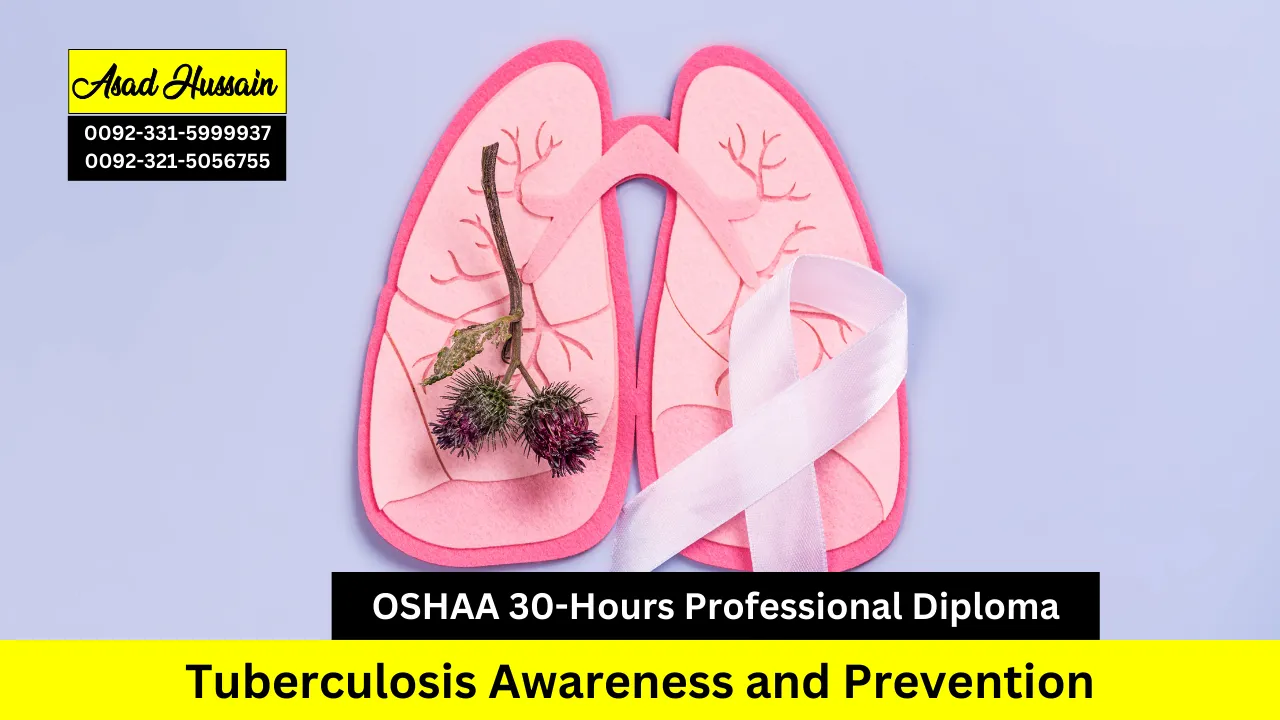
The OSHAA 30-Hours Professional Diploma in Tuberculosis Awareness and Prevention provides a comprehensive clinical exploration into managing one of the world’s most persistent infectious diseases. This program equips healthcare and public health professionals with essential tools to identify symptoms, manage latent infections, and implement rigorous infection control protocols. By examining the transmission dynamics of Mycobacterium tuberculosis, learners develop a sophisticated understanding of how environmental factors influence outbreaks. The curriculum emphasizes proactive community screening and patient advocacy, ensuring practitioners implement effective strategies to reduce transmission rates.
Developing expert knowledge in infectious disease control is a vital asset that enhances your professional standing in medical and social care sectors. While this program establishes a robust foundation in TB screening and pharmaceutical oversight, it serves as a strategic pathway toward attaining more specialized industry recognitions. You may choose to diversify your expertise by pursuing various technical certifications in respiratory protection or specialized diplomas in occupational health and safety and community health management. These additional credentials allow you to build a sophisticated professional portfolio reflecting a deep commitment to global health standards.
OSHAA 30-Hours Professional Diploma in Tuberculosis Awareness and Prevention empowers you to lead with a focused and principled approach to disease surveillance and individual empowerment. The curriculum covers essential topics such as skin testing interpretation, sputum culture analysis, and the implementation of Directly Observed Therapy (DOTS). By mastering these core diagnostic and supportive techniques, you gain the practical skills needed to implement successful intervention strategies in hospitals or vulnerable community environments. This achievement often leads to the pursuit of specialized diplomas in inclusive healthcare leadership and professional certifications in public health advocacy.
Program Highlights
Study Units
- Introduction to Tuberculosis and Global Health Significance (3 Hours)
- Transmission, Risk Factors, and Vulnerable Populations (4 Hours)
- Signs, Symptoms, and Clinical Presentation of TB (5 Hours)
- Diagnostic Techniques and Screening Protocols (4 Hours)
- TB Prevention Strategies and Infection Control Measures (3 Hours)
- Treatment Guidelines and Drug-Resistant TB Management (4 Hours)
- Community Engagement and Health Education Strategies (3 Hours)
- Workplace and Institutional TB Prevention Practices (2 Hours)
Entry Requirements
To ensure your success in the OSHAA 30-Hours Professional Diploma in Tuberculosis Awareness and Prevention, we have established the following entry criteria:
- Age and Education: Candidates must be 18 years of age and hold a secondary school certificate. A Level 3 Diploma in Health and Social Care, Diploma in Nursing, or Medical Assistant Certificate is highly recommended.
- Language Proficiency: A solid command of English is essential to understand medical terminology and screening protocols, ideally equivalent to a Certificate in Technical English for Healthcare Professionals.
- Work Experience: While not mandatory, experience in healthcare or holding a Diploma in Public Health or Certificate in Occupational Health and Safety provides valuable practical context.
By meeting these prerequisites, you ensure you have the necessary foundation to excel in this specialized program and contribute effectively to global tuberculosis eradication efforts.
Learning Outcomes
The OSHAA 30-Hours Professional Diploma in Tuberculosis Awareness and Prevention provides a robust technical and clinical framework for managing one of the world’s most significant infectious diseases. Each module is designed to bridge the gap between global health theory and frontline medical or community practice.
Introduction to Tuberculosis and Global Health Significance
- Understand the global and regional burden of tuberculosis and its persistent impact on modern healthcare systems.
- Recognise the historical and current public health significance of TB as a leading cause of mortality.
- Explain the strategic goals of international TB control programmes and the End TB Strategy.
- Identify key global organisations, such as the WHO and CDC, involved in TB prevention and treatment.
Transmission, Risk Factors, and Vulnerable Populations
- Describe how Mycobacterium tuberculosis is transmitted through the air and the factors influencing its spread.
- Identify high-risk groups, including immunocompromised individuals, and environmental contributors to infection.
- Explain the role of social determinants, such as housing and nutrition, in TB prevalence.
- Understand the critical importance of early identification and proactive screening in vulnerable populations.
Signs, Symptoms, and Clinical Presentation of TB
- Recognise the common clinical signs and atypical symptoms associated with pulmonary and extrapulmonary TB.
- Differentiate between latent TB infection (LTBI) and active TB disease to determine appropriate care.
- Understand the systemic impact of TB on various body systems beyond the respiratory tract.
- Learn to identify clinical red flags that necessitate immediate medical referral and diagnostic testing.
Diagnostic Techniques and Screening Protocols
- Explore available diagnostic tools, including the Tuberculin Skin Test (TST), IGRA blood tests, and chest X-rays.
- Understand national and international screening guidelines for different clinical and community settings.
- Evaluate the technical strengths and limitations of various diagnostic methods and laboratory cultures.
- Learn how to interpret basic test results and ensure patients are referred for definitive confirmation.
TB Prevention Strategies and Infection Control Measures
- Apply best practices for infection prevention and control (IPC) in both clinical and high-risk community settings.
- Understand the correct use and critical importance of specialized personal protective equipment (PPE) like N95 respirators.
- Explain TB vaccination strategies, including the BCG vaccine, and their role in global prevention.
- Implement administrative and environmental protocols for reducing transmission in congregate living environments.
Treatment Guidelines and Drug-Resistant TB Management
- Gain knowledge of first-line TB treatment regimens, including the specific drug combinations and durations required.
- Understand the biological mechanisms behind the development of Multi-Drug Resistant TB (MDR-TB).
- Recognise the psychological and clinical importance of treatment adherence and holistic patient support.
- Learn about the implementation of Directly Observed Therapy (DOT) to ensure successful treatment completion.
Community Engagement and Health Education Strategies
- Develop tailored strategies to raise awareness and educate diverse communities on TB symptoms and myths.
- Learn effective communication methods that address the stigma often associated with infectious diseases.
- Understand the importance of cultural sensitivity when delivering public health messaging to marginalized groups.
- Support behavior change initiatives that promote early testing and long-term TB prevention practices.
Workplace and Institutional TB Prevention Practices
- Identify statutory policies and procedures for TB prevention within workplaces, prisons, and care institutions.
- Learn how to implement comprehensive risk assessments and environmental control measures.
- Understand the legal and ethical responsibilities of employers and staff in managing TB exposure.
- Promote a culture of health safety through ongoing staff awareness and rigorous compliance with health protocols.
Target Audience
The OSHAA 30-Hours Professional Diploma in Tuberculosis Awareness and Prevention is a specialized program designed for healthcare practitioners, community leaders, and safety professionals dedicated to controlling the spread of infectious diseases.
Healthcare and Clinical Professionals
- Registered nurses and medical assistants looking to specialize in respiratory health.
- Clinical supervisors holding a Diploma in Nursing or a Certificate in Patient Care.
- Phlebotomists and laboratory technicians responsible for processing TB diagnostic tests.
- Hospital administrators focused on developing institutional infection control policies.
- Primary care providers seeking to enhance their knowledge of latent TB management.
- Medical students holding a Diploma in Health Sciences or a related pre-medical field.
Public Health and Community Workers
- Community health officers holding a Diploma in Public Health or social work.
- Outreach coordinators managing TB screening programs in high-risk urban areas.
- Health educators focused on reducing the social stigma associated with TB.
- Field researchers holding a Certificate in Epidemiology or community medicine.
- Social workers providing support and advocacy for patients undergoing long-term therapy.
- Humanitarian aid workers operating in regions with high tuberculosis prevalence.
Occupational Health and Safety Officers
- Safety managers holding a Level 3 Diploma in Occupational Health and Safety.
- Industrial hygienists responsible for monitoring air quality and ventilation in workplaces.
- Compliance officers tasked with enforcing respiratory protection and PPE protocols.
- Workplace health advisors holding a Certificate in Industrial Safety or first aid.
- Site inspectors evaluating infection risks in congregate living or working spaces.
- Safety leads managing health surveillance programs for at-risk employee groups.
Institutional and Facility Managers
- Prison health coordinators managing disease prevention in correctional facilities.
- Managers of long-term care facilities holding a Diploma in Gerontology or care management.
- Shelter directors focused on maintaining safe air quality standards for vulnerable populations.
- Human resources managers developing workplace policies for infectious disease leave.
- Operations leads holding a Certificate in Facility Management or institutional safety.
- Logistics officers responsible for the procurement of TB medications and PPE.
Education and Childcare Providers
- School nurses and health coordinators holding a Diploma in Pediatric Health.
- University housing managers responsible for student wellness and dorm safety.
- Childcare center directors holding a Certificate in Early Childhood Education.
- Teachers and educators aiming to promote health awareness within the classroom.
- Physical education instructors and coaches monitoring student respiratory health.
- Academic researchers focused on the impact of infectious diseases on student attendance.
By enrolling in this diploma, you transition into a critical role equipped with the clinical insight and administrative expertise necessary to protect public health while ensuring the safe and compliant operation of modern medical and community facilities.