Build Strong Foundations in Safe Care: Professional Diploma
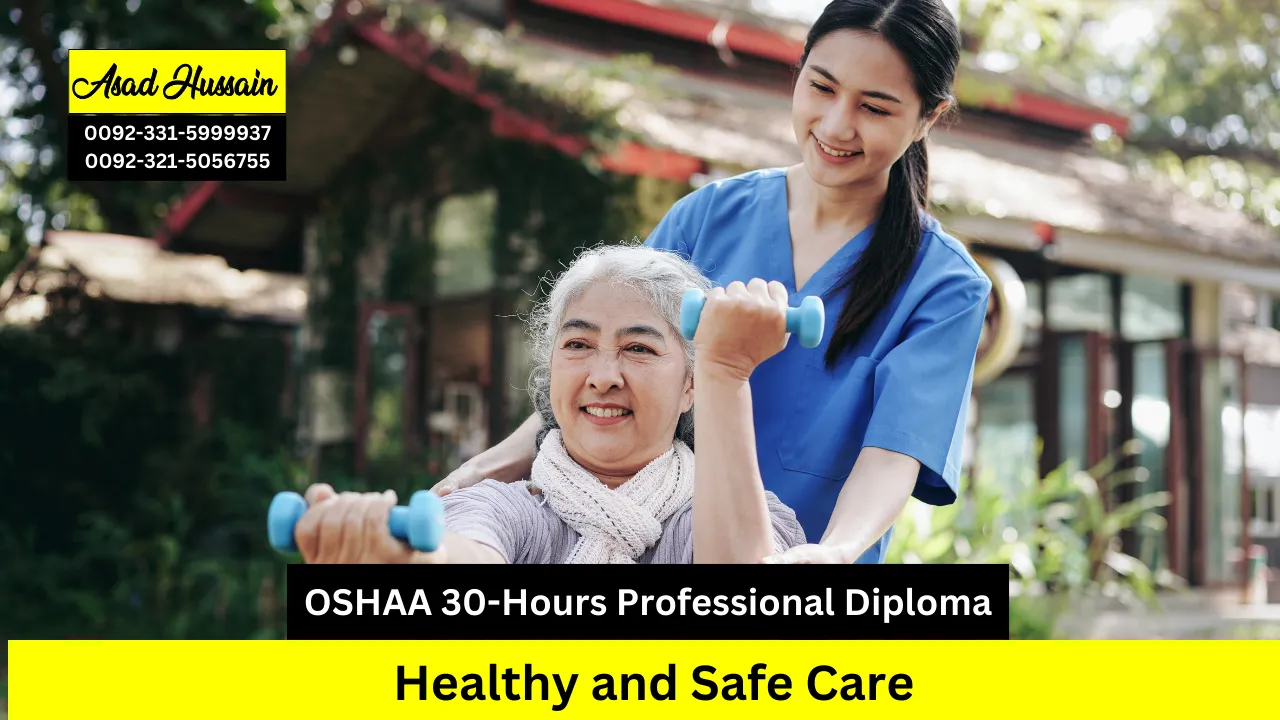
Providing care that is both healthy and safe is the cornerstone of quality support in any setting. The OSHAA 30-Hours Professional Diploma in Healthy and Safe Care provides learners with essential knowledge and practical understanding of how to maintain wellbeing while ensuring safety in care environments. This programme explores the fundamental principles of person-centred care, infection prevention, and risk management that underpin all effective care delivery.
Participants will delve into key topics including promoting physical and mental wellbeing, maintaining dignity and respect, and creating environments that prevent harm and promote independence. The curriculum covers essential areas such as nutrition and hydration, mobility assistance, medication safety, and emergency procedures. Learners will also gain insight into the legal and ethical frameworks that guide safe care practice, ensuring they understand both the practical and principled dimensions of their responsibilities.
Building upon this foundation, the OSHAA 30-Hours Professional Diploma in Healthy and Safe Care concludes with an assessment that validates your understanding of core principles and practices in care provision. Upon successful completion, you will be prepared to pursue further certifications and diplomas to deepen your knowledge in specialised areas such as dementia care, palliative support, or safeguarding leadership. This course represents a meaningful step in your professional journey, positioning you as a knowledgeable and reliable caregiver committed to the highest standards of healthy and safe practice.
Program Highlights
Study Units
- Introduction to Health and Safety in Care Settings (3 hours)
- Legal Responsibilities and Ethical Practice in Care (5 hours)
- Risk Assessment and Accident Prevention (4 hours)
- Infection Control and Hygiene Management (3 hours)
- Nutrition, Well-Being, and Promoting Healthy Lifestyles (3 hours)
- Safeguarding Children and Vulnerable Adults (4 hours)
- Mental Health Awareness and Emotional Well-Being (5 hours)
- Emergency Preparedness and First Response Procedures (3 hours)
Entry Requirements
To enroll in the OSHAA 30-Hours Professional Diploma in Healthy and Safe Care, candidates must meet the following minimum entry criteria:
- Age: 16 years or older.
- Education: Basic literacy and numeracy required. A compassionate attitude and willingness to learn are essential. Relevant prior learning may include a Level 2 Certificate in Preparing to Work in Adult Social Care, a Diploma in Health and Social Care, GCSEs in English or Health and Social Care, or a Certificate in Safe Handling of Medicines.
- Language: Competency in English (written and spoken); non-native speakers should have an IELTS 5.5 or equivalent.
- Experience: No prior work experience required; suitable for beginners, care assistants, support workers, domiciliary staff, and volunteers.
These criteria ensure you have the foundational skills to succeed. Candidates with relevant care experience or prior certifications are encouraged to apply.
Learning Outcomes
Introduction to Health and Safety in Care Settings (3 Hours)
- Understand the fundamental principles of health and safety in care environments
- Recognise the responsibilities of care providers in maintaining a safe setting
- Identify common hazards and risks in daily care routines
- Demonstrate awareness of health and safety policies and procedures
Legal Responsibilities and Ethical Practice in Care (5 Hours)
- Understand key legal frameworks and regulations governing health and social care
- Recognise the importance of ethical decision-making in professional practice
- Identify rights of service users and responsibilities of care providers
- Apply confidentiality, consent, and safeguarding principles in real-world scenarios
Risk Assessment and Accident Prevention (4 Hours)
- Learn how to conduct effective risk assessments in care environments
- Identify potential risks and implement control measures
- Understand accident reporting procedures and incident documentation
- Develop proactive strategies to minimise harm and ensure safety
Infection Control and Hygiene Management (3 Hours)
- Understand the principles of infection prevention and control
- Apply hygiene and sanitation procedures to reduce health risks
- Identify and manage sources of contamination in care settings
- Follow proper use of PPE and cleaning protocols
Nutrition, Well-Being, and Promoting Healthy Lifestyles (3 Hours)
- Understand the role of nutrition in physical and mental health
- Promote balanced diets and hydration in care routines
- Recognise signs of malnutrition or dietary needs in individuals
- Encourage healthy lifestyle choices within a care environment
Safeguarding Children and Vulnerable Adults (4 Hours)
- Understand safeguarding principles and legal frameworks
- Recognise signs of abuse, neglect, or exploitation
- Know how to report concerns and follow safeguarding procedures
- Collaborate with agencies to protect at-risk individuals
Mental Health Awareness and Emotional Well-Being (5 Hours)
- Understand the impact of mental health on overall well-being
- Identify common mental health conditions and their indicators
- Promote emotional resilience and supportive environments
- Apply strategies to support individuals facing emotional challenges
Emergency Preparedness and First Response Procedures (3 Hours)
- Recognise different types of emergencies and required responses
- Understand the basics of first aid and incident management
- Prepare and implement emergency action plans in care settings
- Respond calmly and effectively during crises to protect individuals
Target Audience
The OSHAA 30-Hours Professional Diploma in Healthy and Safe Care is designed for anyone passionate about providing care that prioritises both wellbeing and safety.
Aspiring Care Assistants and Support Workers
Individuals preparing for roles in care settings will build a strong foundation in healthy and safe practice.
- Gain comprehensive understanding of health and safety principles in care environments
- Learn legal responsibilities and ethical frameworks governing care practice
- Develop skills in risk assessment and accident prevention
- Understand infection control procedures and hygiene management
- Recognise safeguarding responsibilities for vulnerable individuals
- Prepare for entry-level positions in residential care, domiciliary care, or day services
Existing Care Staff Seeking Formal Knowledge
Current care assistants, support workers, and healthcare assistants will deepen their understanding and enhance their practice.
- Strengthen knowledge of legal frameworks and ethical decision-making
- Enhance skills in conducting thorough risk assessments
- Develop deeper understanding of infection control and prevention
- Improve ability to promote nutrition, wellbeing, and healthy lifestyles
- Gain confidence in safeguarding procedures and reporting concerns
- Increase professional value with verified healthy and safe care knowledge
Domiciliary and Home Care Workers
Those providing care in individuals’ own homes will gain essential knowledge for safe independent practice.
- Understand how to apply health and safety principles in home environments
- Learn to identify and manage risks unique to domiciliary care settings
- Develop skills in promoting nutrition and hydration when working alone
- Understand emergency preparedness when visiting clients independently
- Recognise safeguarding concerns when working in isolated settings
- Enhance ability to provide safe, person-centred care in the community
Care Home and Residential Facility Staff
Those working in residential settings will deepen their understanding of creating safe communal environments.
- Understand legal responsibilities specific to residential care provision
- Learn effective infection control measures for communal living
- Develop skills in emergency planning and response for care homes
- Recognise importance of nutrition and wellbeing in resident health
- Understand safeguarding procedures within residential contexts
- Contribute to a culture of safety and continuous improvement
Family Carers and Volunteers
Individuals providing unpaid care for loved ones or volunteering in care settings will gain valuable knowledge and confidence.
- Understand fundamental principles of safe and healthy care provision
- Learn to identify and reduce risks in home care environments
- Gain knowledge of infection control and hygiene practices
- Understand nutrition and hydration needs of those you support
- Recognise signs of abuse or neglect and know how to respond
- Build confidence in providing safe, compassionate care
Healthcare Assistants in Clinical Settings
Those working alongside nurses and clinical staff will enhance their understanding of safety in healthcare environments.
- Understand health and safety principles applied in clinical contexts
- Learn infection control protocols essential for patient safety
- Develop knowledge of emergency preparedness in healthcare settings
- Understand safeguarding responsibilities within clinical environments
- Recognise the importance of mental health awareness in patient care
- Enhance ability to contribute safely within multidisciplinary teams
Individuals Considering a Career Change to Care
Professionals from other sectors looking to transition into care will find a comprehensive introduction to the field.
- Gain foundational knowledge of health and safety in care settings
- Understand legal and ethical responsibilities of care providers
- Learn essential infection control and hygiene practices
- Develop awareness of safeguarding principles and procedures
- Understand nutrition, wellbeing, and mental health considerations
- Build confidence to pursue entry-level opportunities in the care sector
This diploma empowers you to provide care that truly protects and nurtures those who need it most. No matter your current role or experience level, the comprehensive knowledge and practical understanding gained will enable you to create safer, healthier environments and respond effectively to the diverse needs of individuals in your care.