Master Child Development and Psychology with Professional Diploma
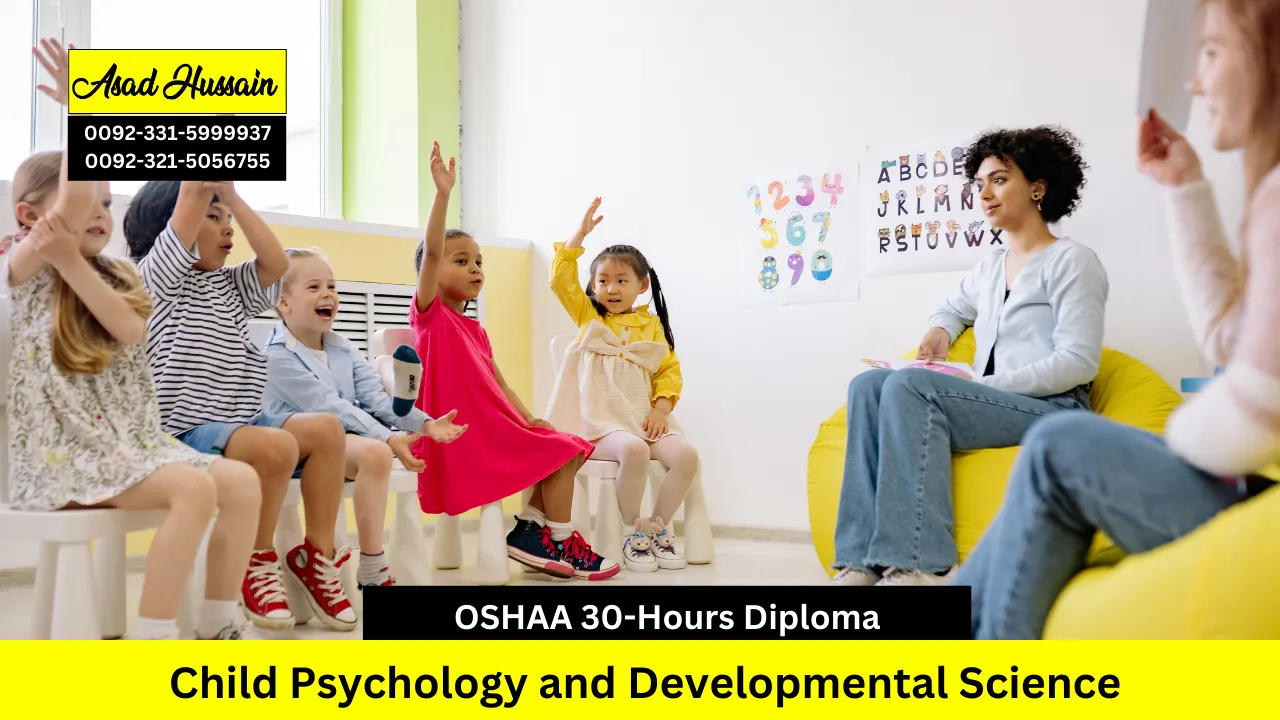
The OSHAA 30-Hours Diploma in Child Psychology and Developmental Science is a focused professional programme designed to provide learners with a solid understanding of child development, behaviour, and psychological principles. Participants explore how children grow cognitively, emotionally, and socially from infancy through adolescence, gaining insight into developmental milestones and learning patterns. The course also covers the factors that influence behaviour, including family dynamics, social environment, and biological aspects, enabling learners to develop informed strategies for supporting healthy child development in educational, care, or therapeutic settings.
Throughout the programme, learners examine key psychological theories, behaviour management strategies, and practical approaches to observing and supporting children. The course emphasises the application of knowledge in real-world scenarios, helping participants identify developmental challenges, promote positive behaviour, and understand emotional and social needs. Modules include cognitive development, emotional regulation, attachment, learning differences, and the influence of external factors, ensuring a comprehensive understanding of child psychology and development for practical professional use.
OSHAA 30-Hours Diploma in Child Psychology and Developmental Science equips learners with professional knowledge and practical skills that can enhance careers in childcare, education, therapy, and community support. As a non-Ofqual regulated programme, it is designed to strengthen practical competence and confidence in working with children. Upon completion, participants may pursue further certifications and diplomas in child development, behavioural therapy, educational support, or related complementary fields, broadening their expertise and professional opportunities in child-focused services.
Program Highlights
Study Units
- Introduction to Child Psychology and Developmental Science (3 Hours)
- Cognitive Development from Infancy to Adolescence (4 Hours)
- Emotional and Social Development in Childhood (4 Hours)
- Physical Growth and Motor Skills Development (3 Hours)
- Theories of Child Development and Behaviour (4 Hours)
- Language Acquisition and Communication Skills (5 Hours)
- Identifying and Supporting Developmental Delays (4 Hours)
- Child Mental Health and Wellbeing (3 Hours)
Entry Requirements
To enrol in the OSHAA 30-Hours Diploma in Child Psychology and Developmental Science, applicants should meet certain basic criteria to ensure they can fully benefit from the course and its practical components:
- Age Requirement: Participants should be at least 18 years old to ensure sufficient maturity for professional practice and understanding of child development principles.
- Educational Background: A minimum of secondary education is recommended. Learners with related diplomas or certificates in childcare, early childhood education, teaching assistant programmes, health and social care, or psychology-related courses will find the content easier to grasp and apply.
- Language Proficiency: A good command of English is necessary to comprehend course materials, complete assessments, and engage in practical exercises effectively.
- Work Experience: While not mandatory, experience in childcare, education, community support, or youth services can be advantageous for practical understanding and application of course concepts.
Meeting these entry requirements ensures learners are prepared to gain maximum benefit from the programme and develop the professional knowledge and skills needed to support child development and psychology effectively.
Learning Outcomes
Introduction to Child Psychology and Developmental Science (3 Hours)
- Understand the scope and importance of child psychology and developmental science
- Recognise the major domains of child growth and development
- Identify how nature and nurture influence a child’s physical, cognitive, and emotional progress
- Explore the significance of early experiences on long-term behaviour and learning
- Develop foundational knowledge for supporting children in educational and care settings
Cognitive Development from Infancy to Adolescence (4 Hours)
- Describe key stages of cognitive development according to leading theories
- Understand how memory, problem-solving, and decision-making skills evolve over time
- Assess the influence of environment, education, and experiences on cognitive growth
- Recognise developmental milestones in learning and thinking
- Apply theoretical knowledge to practical child observation and support
Emotional and Social Development in Childhood (4 Hours)
- Explain how emotions form and are expressed in children
- Understand the role of family, peers, and culture in shaping social skills
- Identify typical versus atypical emotional and social behaviours
- Explore strategies to encourage positive social interactions
- Promote emotional intelligence and resilience in children
Physical Growth and Motor Skills Development (3 Hours)
- Recognise stages of physical growth from birth through adolescence
- Understand the development of fine and gross motor skills
- Assess how health, nutrition, and physical activity affect growth
- Identify early indicators of motor delays
- Support children in achieving physical milestones safely
Theories of Child Development and Behaviour (4 Hours)
- Explore foundational theories such as Piaget, Vygotsky, and Erikson
- Analyse how behavioural and developmental theories apply in practice
- Evaluate the impact of theory on understanding child behaviour
- Recognise the link between theory and effective intervention strategies
- Apply theoretical knowledge to observation and support of children
Language Acquisition and Communication Skills (5 Hours)
- Understand the stages and mechanisms of language development
- Identify factors affecting verbal and non-verbal communication
- Recognise early signs of communication difficulties
- Apply strategies to support effective communication in children
- Promote language skills through age-appropriate activities
Identifying and Supporting Developmental Delays (4 Hours)
- Learn to observe and screen for developmental delays in key domains
- Understand common causes and types of delays
- Explore practical strategies for early intervention
- Recognise when to refer children to specialists
- Support children’s growth through targeted activities and monitoring
Child Mental Health and Wellbeing (3 Hours)
- Recognise signs of common childhood mental health concerns
- Understand the impact of trauma, stress, and environment on wellbeing
- Explore strategies to promote resilience and emotional support
- Develop approaches to encourage positive coping skills
- Support overall mental and emotional development in children
Target Audience
The OSHAA 30-Hours Diploma in Child Psychology and Developmental Science is designed for individuals who want to gain professional knowledge and practical skills in understanding child development, behaviour, and psychology. It is ideal for those looking to enhance their ability to support children in educational, care, or therapeutic settings.
Childcare Professionals and Educators
- Early years practitioners and nursery staff
- Teaching assistants and classroom support staff
- Childminders and daycare providers
- Educators seeking to understand child behaviour better
- Professionals aiming to promote positive learning and development
Psychology and Therapy Practitioners
- Counsellors working with children or families
- Child psychologists in training or support roles
- Behavioural therapists focusing on developmental issues
- Practitioners aiming to apply psychological principles practically
- Professionals wanting to enhance therapeutic intervention skills
Health and Social Care Workers
- Community care workers supporting children with special needs
- Health assistants in paediatric or child-focused settings
- Social workers involved in family and child welfare
- Individuals managing emotional, behavioural, or developmental challenges
- Professionals aiming to improve wellbeing and care outcomes
Parents and Caregivers
- Parents seeking to understand developmental milestones
- Guardians and family members supporting child growth
- Individuals wanting practical strategies to manage behaviour
- Caregivers interested in fostering emotional and social wellbeing
- Those aiming to enhance parent-child relationships
Fitness, Wellness, and Lifestyle Professionals
- Youth coaches and trainers working with children
- Wellness practitioners integrating developmental awareness
- Activity leaders promoting physical and cognitive growth
- Professionals supporting children in extracurricular or recreational settings
- Individuals interested in holistic development approaches
Individuals Pursuing a Career in Child Development
- Career changers entering childcare or educational fields
- Beginners wanting foundational knowledge in child psychology
- Aspiring professionals preparing for roles in education or therapy
- Learners seeking practical skills in observing and supporting children
- Individuals aiming to build confidence in child-focused professional roles
This course equips learners with practical and theoretical knowledge, allowing them to understand child development, behaviour, and psychology more effectively, while enhancing their professional competence in child-focused roles.