Boost Your Career with the Professional Diploma in Diabetes and Massage Therapy
The OSHAA 30-Hours Professional Diploma in Diabetes and Massage Therapy is a specialised training programme designed to provide essential knowledge and practical insight into the management of diabetes alongside therapeutic massage techniques. This course offers a balanced understanding of how diabetes affects the body and how supportive massage therapy can enhance comfort, circulation, and overall wellbeing. Participants gain a clear foundation in safe practice, client assessment, and professional responsibilities, enabling them to deliver informed and confident support within healthcare, wellness, and complementary therapy environments.
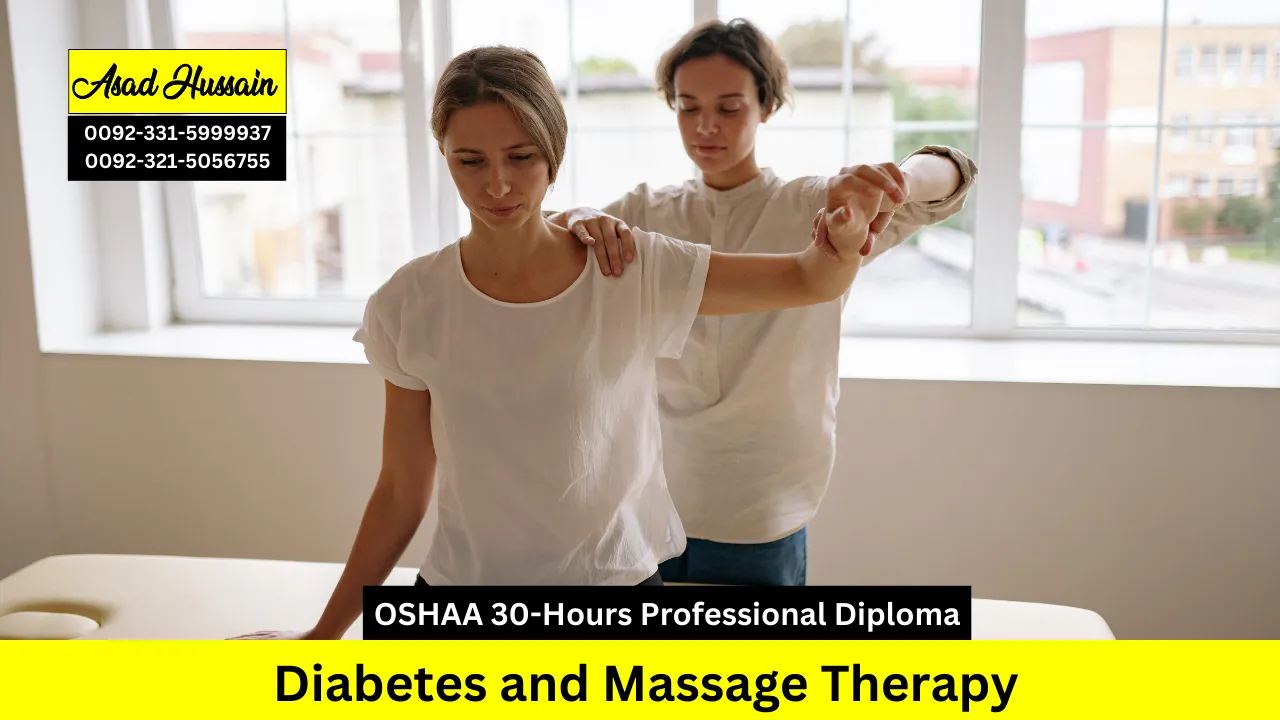
Throughout this comprehensive programme, learners explore the fundamentals of diabetes, including types, causes, symptoms, risk factors, and long-term complications. The course also highlights the importance of lifestyle management, monitoring, and client communication. Alongside theoretical knowledge, participants are introduced to structured massage therapy approaches tailored to individuals living with diabetes, with strong emphasis on safety considerations and contraindications. This integrated approach ensures that learners develop practical awareness and the ability to apply appropriate techniques responsibly in real-world therapeutic settings.
OSHAA 30-Hours Professional Diploma in Diabetes and Massage Therapy equips participants with valuable professional knowledge that can strengthen their profile within the growing health and wellness sector. As a non-Ofqual regulated programme, it is designed for professional development and skill enhancement. Upon successful completion, learners may pursue further certifications and diplomas in areas such as advanced massage therapy, holistic health practice, diabetic care support, or complementary therapies, broadening their expertise and expanding their professional opportunities.
Program Highlights
Study Units
- Introduction to Diabetes: Types, Causes, and Complications (3 Hours)
- Anatomy and Physiology Related to Diabetes (3 Hours)
- Principles and Benefits of Massage Therapy in Diabetic Care (4 Hours)
- Safe Practice Guidelines and Contraindications for Diabetic Massage (6 Hours)
- Circulatory and Neurological Considerations in Massage for Diabetes (4 Hours)
- Massage Techniques for Stress Reduction and Blood Sugar Regulation (3 Hours)
- Managing Neuropathy and Musculoskeletal Pain through Massage (4 Hours)
- Client Assessment and Monitoring Protocols (3 Hours)
Entry Requirements
To enrol in the OSHAA 30-Hours Professional Diploma in Diabetes and Massage Therapy, applicants should meet the following general entry criteria to ensure they can successfully engage with the course content and practical components:
- Age Requirement: Applicants should be at least 18 years of age at the time of enrolment to ensure appropriate maturity and professional understanding.
- Educational Background: A minimum of secondary school education or equivalent is recommended. Learners holding related qualifications such as a Diploma or Certificate in Massage Therapy, Complementary Therapies, Health and Social Care, Nursing Assistance, Caregiving, or Basic Medical Sciences may find the course particularly beneficial.
- Language Proficiency: Participants should have a reasonable standard of English language skills to understand course materials, follow instructions, and complete written assessments effectively.
- Work Experience: While not mandatory, prior experience in healthcare, wellness, physiotherapy support, caregiving, or therapeutic practice can be advantageous for better practical understanding.
Meeting these entry requirements helps ensure that learners are prepared to gain maximum benefit from the programme and confidently develop their professional skills in diabetes awareness and massage therapy practice.
Learning Outcomes
Introduction to Diabetes: Types, Causes, and Complications (3 Hours)
- Understand the different types of diabetes, including their causes and risk factors
- Recognise the short- and long-term complications linked to unmanaged diabetes
- Explain how persistent high blood glucose affects organs and body systems
- Identify early warning signs and when referral may be necessary
- Develop awareness of preventive measures and lifestyle influences
Anatomy and Physiology Related to Diabetes (3 Hours)
- Identify the major organs and systems involved in glucose regulation
- Describe the function of insulin and the process of glucose metabolism
- Understand how diabetes alters normal physiological functions
- Recognise structural and functional changes relevant to massage therapy
- Apply anatomical knowledge to support safe treatment planning
Principles and Benefits of Massage Therapy in Diabetic Care (4 Hours)
- Explore the therapeutic role of massage in supporting diabetic clients
- Discuss the effects of massage on circulation, stress reduction, and pain relief
- Understand how massage contributes to relaxation and wellbeing
- Explain the complementary role of massage within holistic care
- Maintain professional boundaries and ethical practice standards
Safe Practice Guidelines and Contraindications for Diabetic Massage (6 Hours)
- Identify key contraindications and necessary precautions for diabetic clients
- Apply safety measures to minimise risks during sessions
- Demonstrate appropriate draping, pressure control, and client positioning
- Recognise signs that require postponement or medical referral
- Maintain hygiene, infection control, and professional conduct
Circulatory and Neurological Considerations in Massage for Diabetes (4 Hours)
- Understand the effects of peripheral neuropathy on treatment decisions
- Recognise complications related to poor circulation and vascular health
- Learn safe techniques to promote healthy blood flow
- Adapt massage methods for clients with reduced sensation
- Ensure comfort and safety for clients with complex health needs
Massage Techniques for Stress Reduction and Blood Sugar Regulation (3 Hours)
- Apply massage techniques aimed at lowering stress levels
- Explain the link between stress hormones and glycaemic control
- Promote relaxation through appropriate rhythm and pressure
- Integrate stress-management strategies into wellness plans
- Support emotional balance alongside physical care
Managing Neuropathy and Musculoskeletal Pain through Massage (4 Hours)
- Recognise symptoms of diabetic neuropathy and related discomfort
- Apply therapeutic techniques to relieve joint and muscle pain
- Improve flexibility and mobility safely
- Adjust interventions based on client tolerance and response
- Monitor feedback to ensure effective and safe outcomes
Client Assessment and Monitoring Protocols (3 Hours)
- Conduct comprehensive client consultations and screenings
- Assess medical history and identify potential risk factors
- Monitor vital signs and blood glucose levels when appropriate
- Maintain accurate, confidential records of each session
- Communicate findings clearly and professionally
Target Audience
The OSHAA 30-Hours Professional Diploma in Diabetes and Massage Therapy is designed for individuals who wish to develop specialised knowledge in diabetic care and therapeutic massage, enhancing their ability to provide safe, informed, and professional support within healthcare and wellness environments.
Healthcare Assistants and Support Workers
- Individuals working in hospitals, clinics, or community care settings
- Care assistants supporting clients with chronic health conditions
- Support workers assisting individuals with diabetes management
- Those seeking to expand practical skills in complementary care
- Professionals aiming to improve patient comfort and wellbeing
Massage Therapists and Complementary Therapy Practitioners
- Qualified massage therapists seeking to specialise in diabetic care
- Holistic therapists wanting to broaden their treatment knowledge
- Reflexologists and bodywork practitioners expanding service offerings
- Practitioners aiming to enhance client safety and risk awareness
- Therapists looking to strengthen professional credibility
Nursing and Allied Health Professionals
- Nursing assistants and healthcare trainees
- Physiotherapy or rehabilitation support staff
- Community health workers managing long-term conditions
- Professionals interested in integrative care approaches
- Individuals supporting patients with circulatory or neurological concerns
Fitness, Wellness, and Lifestyle Coaches
- Fitness trainers working with clients who have diabetes
- Wellness coaches promoting holistic health strategies
- Lifestyle advisors supporting stress reduction and metabolic balance
- Professionals seeking to understand contraindications and precautions
- Coaches aiming to integrate safe bodywork awareness into practice
Individuals Pursuing a Career in Health and Wellness
- Beginners interested in therapeutic massage and diabetic awareness
- Career changers entering the healthcare or wellness sector
- Individuals seeking foundational knowledge in safe massage application
- Those aiming to build confidence in client assessment skills
- Learners wanting structured, professional training in a specialised field
Caregivers and Community Support Providers
- Family caregivers supporting loved ones with diabetes
- Community volunteers assisting individuals with chronic conditions
- Home care providers delivering personal support services
- Individuals wanting practical understanding of safe touch techniques
- Support providers aiming to enhance comfort and quality of life
This course provides a valuable opportunity for a wide range of learners to strengthen their professional competence, enhance client safety, and contribute meaningfully to supportive diabetic care through informed massage therapy practice.