Elevate Your Knowledge of Senior Nutrition: Professional Diploma
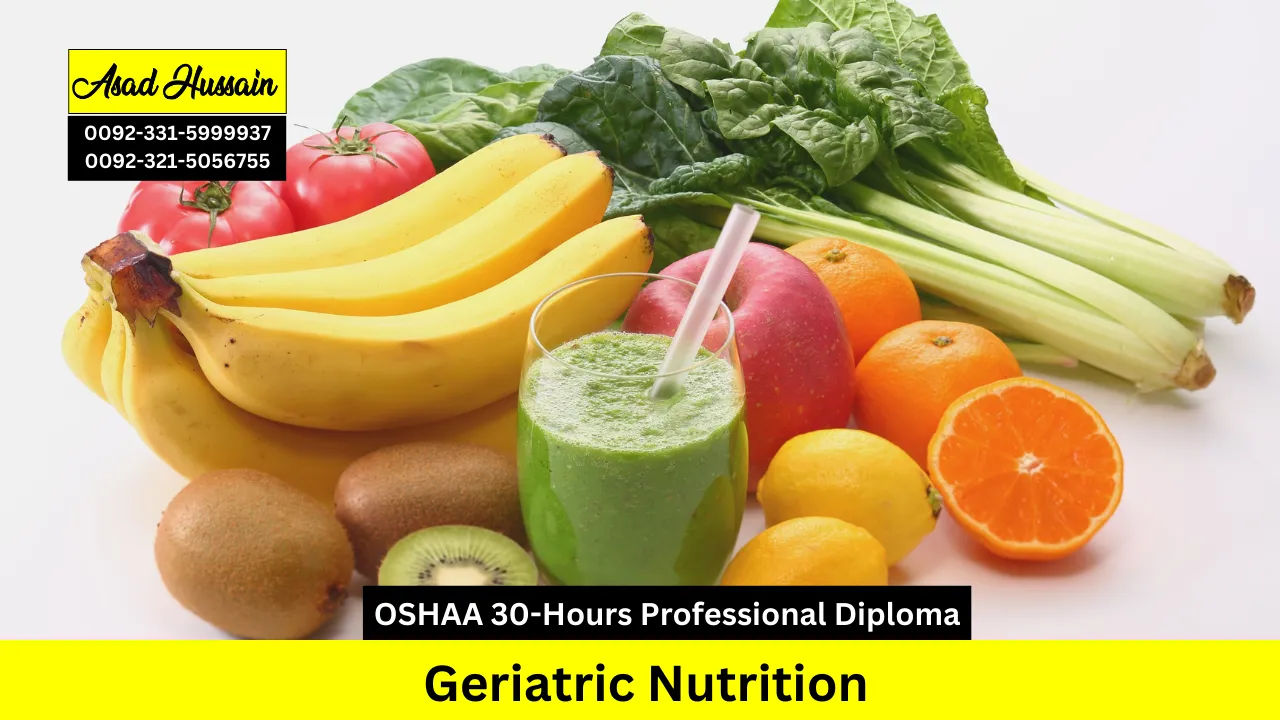
The OSHAA 30‑Hours Professional Diploma in Geriatric Nutrition is a specialized program designed to provide learners with essential knowledge about nutrition for older adults. This course explores the unique dietary needs of the elderly, focusing on how nutrition impacts health, energy, and overall quality of life. Participants will gain practical insights into meal planning, nutrient requirements, and strategies to support healthy aging.
This diploma emphasizes both theoretical understanding and practical application. Learners will study age‑related changes in metabolism, common nutritional deficiencies, and the role of diet in preventing chronic conditions. The program also highlights the importance of hydration, balanced diets, and culturally sensitive approaches to nutrition. By combining scientific knowledge with practical skills, the course prepares learners to confidently support elderly populations.
The OSHAA 30‑Hours Professional Diploma in Geriatric Nutrition awards recognized certification upon successful completion, validating the expertise gained. This achievement complements other certifications and diplomas such as the Diploma in Health and Wellness, Certificate in Nutritional Therapy, or Diploma in Community Health. With its focus on practical strategies, the program empowers learners to enhance professional credibility while contributing to the wellbeing of older adults in diverse care settings.
Program Highlights
Study Units
- Introduction to Geriatric Nutrition and Ageing Physiology (3 hours)
- Nutritional Requirements in Older Adults (5 hours)
- Common Nutritional Deficiencies in the Elderly (3 hours)
- Chronic Disease Management through Nutrition (4 hours)
- Nutrition and Cognitive Health in Ageing (6 hours)
- Nutritional Assessment Tools and Techniques (4 hours)
- Meal Planning and Diet Modification for Older Adults (3 hours)
- Ethical and Cultural Considerations in Geriatric Nutrition (2 hours)
Entry Requirements
- Age Requirement: Applicants must be at least 18 years old to enroll, ensuring maturity and readiness for professional learning.
- Educational Background: A minimum of secondary education or equivalent is recommended. Learners with prior certifications such as a Diploma in Health and Wellness, Certificate in Nutritional Therapy, or Diploma in Community Health will find the course particularly beneficial.
- Language Proficiency: Participants should have a good command of English, as all course materials, discussions, and assessments are delivered in English.
- Work Experience: While not mandatory, prior experience in healthcare, nutrition, or caregiving roles can enhance understanding and application of the course content.
This diploma is designed to be accessible to a wide range of learners, welcoming both newcomers and experienced professionals. Meeting these entry requirements ensures participants can fully engage with the program and gain maximum benefit from their learning journey.
Learning Outcomes
Introduction to Geriatric Nutrition and Ageing Physiology (3 Hours)
- Understand the biological and physiological changes associated with ageing
- Identify the impact of ageing on nutrient absorption and metabolism
- Recognise the importance of nutrition in promoting healthy ageing
- Gain foundational knowledge of geriatric nutrition as a specialised field
Nutritional Requirements in Older Adults (5 Hours)
- Identify the specific macronutrient and micronutrient needs of older adults
- Understand how lifestyle, medical conditions, and medications influence dietary requirements
- Apply current dietary guidelines for the elderly in practical contexts
- Assess energy and hydration needs in different ageing populations
Common Nutritional Deficiencies in the Elderly (3 Hours)
- Recognise the most prevalent nutritional deficiencies in ageing individuals
- Understand the causes and consequences of these deficiencies
- Explore methods for prevention and management through diet and supplementation
- Evaluate the role of routine screening and monitoring
Chronic Disease Management through Nutrition (4 Hours)
- Understand the relationship between nutrition and chronic diseases such as diabetes, cardiovascular conditions, and osteoporosis
- Explore evidence-based dietary interventions to manage chronic illnesses
- Apply dietary strategies to reduce disease progression and improve quality of life
- Tailor nutritional approaches to individual health profiles
Nutrition and Cognitive Health in Ageing (6 Hours)
- Examine the link between diet and cognitive function in older adults
- Understand nutritional approaches to support brain health and prevent cognitive decline
- Explore the role of antioxidants, essential fatty acids, and other nutrients in mental wellbeing
- Develop strategies to support nutrition in individuals with dementia or cognitive impairments
Nutritional Assessment Tools and Techniques (4 Hours)
- Gain knowledge of various nutritional assessment tools used in elderly care
- Conduct basic anthropometric, biochemical, and dietary assessments
- Interpret assessment results to identify nutritional risk
- Understand the role of interdisciplinary collaboration in nutritional evaluations
Meal Planning and Diet Modification for Older Adults (3 Hours)
- Create balanced, nutrient-dense meal plans tailored to the elderly
- Modify meals to accommodate medical conditions, chewing or swallowing difficulties, and personal preferences
- Address challenges related to appetite loss, sensory changes, and food accessibility
- Promote safe and enjoyable eating environments
Ethical and Cultural Considerations in Geriatric Nutrition (2 Hours)
- Understand ethical issues related to nutritional care in ageing populations
- Respect cultural and religious dietary practices when planning nutrition interventions
- Promote autonomy and informed decision-making in nutritional choices
- Address challenges in consent, feeding support, and end-of-life care
Target Audience
This course is designed for individuals who want to understand the nutritional needs of older adults and apply practical strategies to support healthy ageing. It is ideal for learners seeking to enhance their knowledge of geriatric nutrition and contribute to the wellbeing of elderly populations.
Healthcare Professionals
- Nurses and caregivers working in elderly care facilities
- Dietitians and nutritionists supporting older adults
- Medical staff aiming to integrate nutrition into chronic disease management
- Professionals interested in improving patient outcomes through diet
- Individuals seeking certification to validate expertise in geriatric nutrition
Nutrition and Wellness Practitioners
- Nutrition advisors focusing on age‑specific dietary needs
- Wellness coaches incorporating geriatric nutrition into holistic health plans
- Practitioners interested in cognitive health and dietary interventions
- Professionals aiming to design balanced meal plans for seniors
- Those committed to promoting safe and ethical nutrition practices
Caregivers and Family Members
- Family members supporting elderly relatives with dietary needs
- Caregivers managing nutrition for individuals with chronic conditions
- Those interested in preventing nutritional deficiencies in ageing populations
- Individuals seeking practical skills in meal planning and diet modification
- People motivated to create safe and enjoyable eating environments
Community and Social Workers
- Community practitioners working with ageing populations
- Social workers supporting nutrition programs for seniors
- Individuals promoting culturally sensitive dietary practices
- Practitioners addressing food accessibility and affordability for the elderly
- Those committed to enhancing community health through nutrition
Educators and Support Staff
- Teaching assistants in health and nutrition programs
- Educators introducing geriatric nutrition into training settings
- Staff supporting workshops on elderly health and wellbeing
- Individuals interested in ethical and cultural aspects of nutrition
- Professionals seeking certification to strengthen their role in education
Individuals Seeking Professional Growth
- Learners aiming to gain recognized certification in geriatric nutrition
- Professionals expanding career opportunities in healthcare and wellness
- Those with prior diplomas such as Diploma in Health and Wellness, Certificate in Nutritional Therapy, or Diploma in Community Health
- Individuals committed to lifelong learning in nutrition and elderly care
- People motivated to make a meaningful impact in senior health and wellbeing
This diploma welcomes a diverse range of participants, offering practical knowledge and certification that empowers learners to confidently apply geriatric nutrition practices in both personal and professional contexts.