Unlock Expert Speech and Language Therapy Skills with Professional Diploma
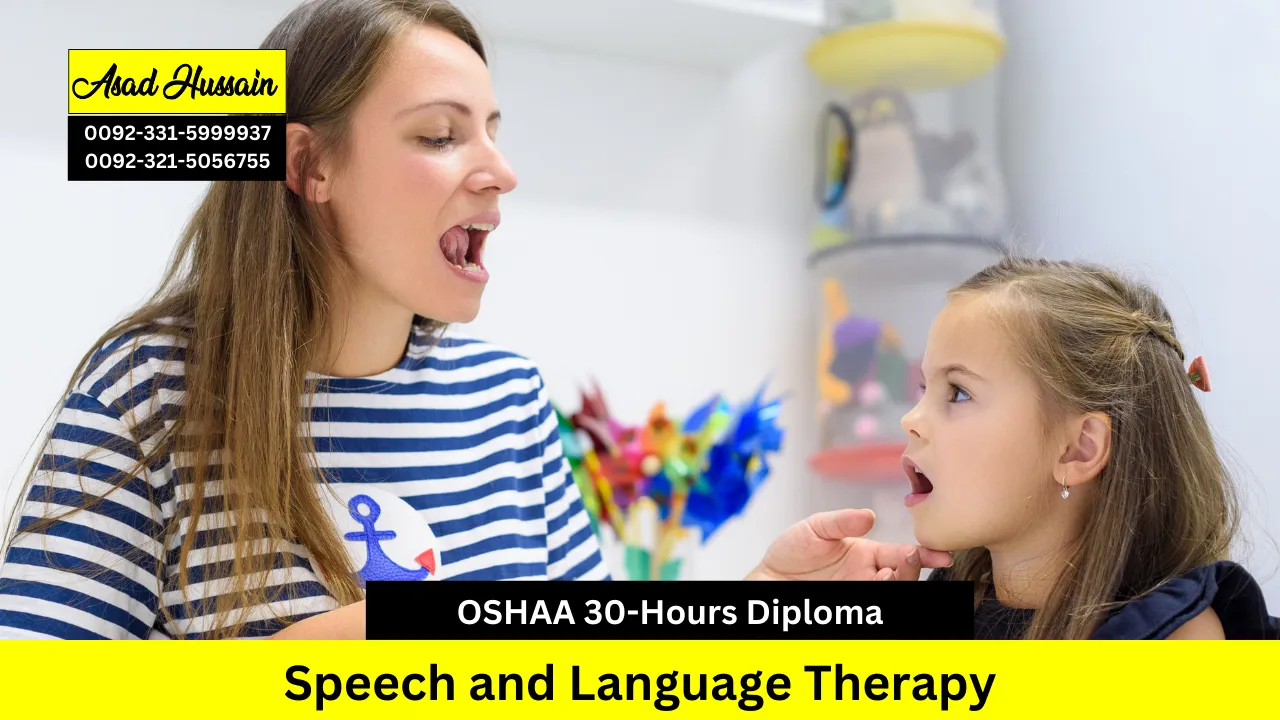
The OSHAA 30-Hours Professional Diploma in Speech and Language Therapy offers a comprehensive overview of communication disorders and therapeutic approaches for individuals across all age groups. Participants will explore key concepts in speech and language development, assessment techniques, and intervention strategies. The course emphasises practical skills for supporting clients with speech, language, and communication difficulties, ensuring learners understand both theoretical foundations and real-world applications. Additionally, the program highlights the importance of ethical practice, empathy, and person-centred care in enhancing communication outcomes.
Learners will gain insight into the causes and presentations of common speech and language disorders, including articulation difficulties, stuttering, aphasia, and language delays. The course also covers the integration of technology and evidence-based strategies in therapy, helping participants develop adaptable and effective intervention plans. Participants will be encouraged to analyse case studies, understand multidisciplinary collaboration, and explore methods to monitor progress and adjust therapy approaches. This knowledge equips learners with the confidence to support clients’ communication needs safely and professionally.
The OSHAA 30-Hours Professional Diploma in Speech and Language Therapy provides an accessible, professional-level training program suitable for healthcare professionals, educators, and support staff working with individuals facing communication challenges. By completing this diploma, participants will acquire the skills and practical knowledge necessary to implement effective therapeutic interventions, improve client outcomes, and contribute to multidisciplinary care teams. The course also complements related certifications and diplomas in speech therapy, special education, and healthcare support, offering a valuable foundation for professional growth and enhanced practice in communication support roles.
Program Highlights
Study Units
- Introduction to Speech, Language, and Communication Needs (3 Hours)
- Typical Language Development Across the Lifespan (3 Hours)
- Speech Sound Disorders and Articulation Difficulties (5 Hours)
- Language Impairments: Identification and Support Strategies (5 Hours)
- Communication Challenges in Autism and Neurodiversity (3 Hours)
- Assessment Techniques in Speech and Language Support (4 Hours)
- Intervention Planning and Therapy Approaches (5 Hours)
- Multidisciplinary Collaboration in Communication Support (2.5 Hours)
To enroll in the OSHAA 30-Hours Professional Diploma in Sports Medicine, participants should meet basic eligibility criteria to ensure they can fuTo enrol in the OSHAA 30-Hours Professional Diploma in Speech and Language Therapy, participants should meet the following entry criteria:
- Age Requirement: Participants should be at least 18 years old to ensure maturity and readiness for professional-level learning.
- Educational Background: A minimum of secondary education or equivalent is recommended. Candidates with prior diplomas or certificates in healthcare, education, social care, or allied health fields will benefit most from the course. Relevant qualifications may include Health and Social Care diplomas, Childcare and Education certifications, or allied therapy certificates.
- Language Proficiency: Learners should have a good command of English, both written and spoken, to effectively understand course materials, complete assessments, and communicate in professional scenarios.
- Work Experience: While no formal professional experience is required, prior exposure to healthcare, educational support, speech therapy, or special needs environments will enhance practical understanding and application of course content.
This course is designed to be accessible to a broad range of professionals and learners, providing the knowledge and practical skills needed to support individuals with speech and language challenges confidently..
Learning Outcomes
Introduction to Speech, Language, and Communication Needs (3 Hours)
- Define key concepts related to speech, language, and communication.
- Recognise the broad range of communication needs in children and adults.
- Understand the impact of communication difficulties on daily life and development.
- Identify common signs of communication challenges across different settings.
- Explore how early recognition of communication difficulties can inform effective support strategies.
Typical Language Development Across the Lifespan (3 Hours)
- Understand the stages of typical language development from infancy to adulthood.
- Recognise age-appropriate communication milestones.
- Identify variations in communication styles across the lifespan.
- Apply knowledge of development to distinguish between typical and atypical patterns.
- Evaluate how social, cultural, and environmental factors influence language acquisition.
Speech Sound Disorders and Articulation Difficulties (5 Hours)
- Identify common types of speech sound disorders, including articulation and phonological issues.
- Understand the causes and characteristics of speech production difficulties.
- Recognise the impact of speech sound disorders on intelligibility and social interaction.
- Explore techniques and tools used to support articulation and speech clarity.
- Learn practical strategies to enhance confidence and communication success.
Language Impairments: Identification and Support Strategies (5 Hours)
- Distinguish between receptive and expressive language impairments.
- Identify signs of language delay or disorder in children and adults.
- Understand the principles of language support and intervention planning.
- Develop strategies to support language development in educational and care contexts.
- Integrate evidence-based practices to facilitate long-term communication progress.
Communication Challenges in Autism and Neurodiversity (3 Hours)
- Understand how autism and neurodiverse conditions affect communication.
- Identify common communication profiles associated with autism.
- Explore supportive approaches to enhance interaction and understanding.
- Promote inclusive communication strategies tailored to individual needs.
- Assess how personalised interventions can improve social participation and learning outcomes.
Assessment Techniques in Speech and Language Support (4 Hours)
- Understand the purpose and principles of speech and language assessment.
- Explore commonly used informal and observational assessment methods.
- Learn how to document communication strengths and needs effectively.
- Apply assessment findings to guide appropriate support planning.
- Develop skills to monitor progress and adapt interventions based on individual response.
Intervention Planning and Therapy Approaches (5 Hours)
- Explore a range of evidence-based intervention models in speech and language therapy.
- Understand how to set realistic and measurable therapy goals.
- Identify resources and techniques suitable for individual and group settings.
- Learn how to adapt interventions to suit age, ability, and context.
- Promote best practices for ongoing evaluation and client-centred support.
Multidisciplinary Collaboration in Communication Support (2.5 Hours)
Enhance outcomes through integrated planning across healthcare, education, and therapy settings.
Recognise the roles of different professionals involved in communication support.
Understand the importance of shared goals and coordinated care.
Develop effective communication strategies for working within teams.
Promote best practices for collaborative, person-centred support.
Target Audience
This course is designed for individuals who want to gain a deep understanding of speech, language, and communication support. It is ideal for professionals, caregivers, and learners who aim to enhance their skills in identifying, assessing, and supporting communication needs in various settings.
Healthcare and Therapy Professionals
- Speech and language therapists seeking practical insights.
- Occupational therapists working with communication-impaired clients.
- Physiotherapists supporting neurodiverse or developmental conditions.
- Nurses involved in patient care requiring communication support.
- Mental health professionals assisting clients with communication challenges.
Educators and Teaching Staff
- Primary and secondary school teachers supporting children with speech difficulties.
- Special education teachers working with students with language impairments.
- Teaching assistants involved in classroom interventions.
- Early years educators observing developmental milestones.
- Educational psychologists collaborating on communication strategies.
Caregivers and Support Staff
- Family members caring for children or adults with communication difficulties.
- Social care workers supporting neurodiverse individuals.
- Residential care staff assisting clients with speech and language needs.
- Personal support workers implementing daily communication interventions.
- Volunteers in special care or community programs focusing on language support.
Students and Learners
- Individuals pursuing diplomas or certifications in health and education.
- Learners aiming to understand practical approaches in communication support.
- Students interested in careers in speech therapy, special education, or social care.
- Those seeking hands-on knowledge to complement academic learning.
- Individuals preparing for roles requiring inclusive communication practices.
Professionals in Autism and Neurodiversity Support
- Autism support practitioners working with varied communication profiles.
- Behavioural therapists integrating language support into interventions.
- Early intervention specialists in developmental programs.
- Specialists developing personalised communication plans.
- Consultants providing training or workshops on neurodiverse communication.
This course equips participants with practical knowledge and strategies to effectively support individuals with speech and language needs, enhancing both personal and professional capabilities across multiple settings.