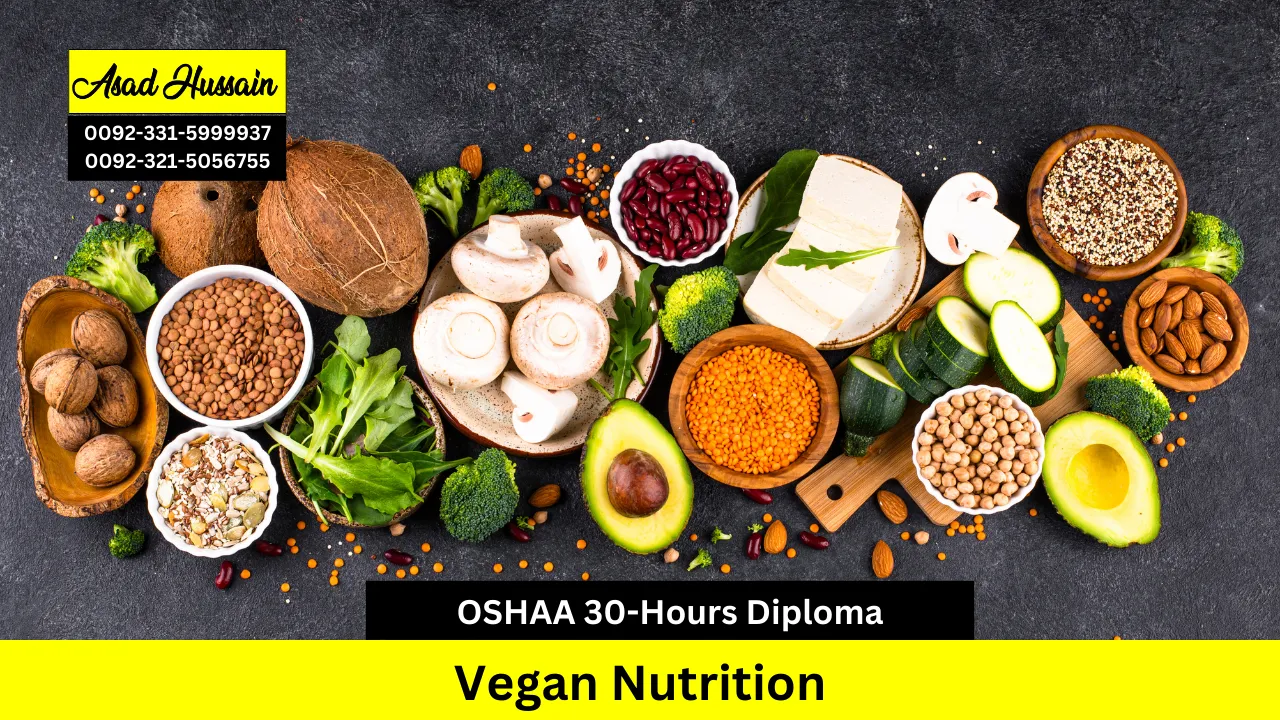
Globally Recognized Professional Diploma in Vegan Nutrition
The OSHAA 30-Hours Professional Diploma in Vegan Nutrition is a comprehensive program designed to provide learners with in-depth knowledge of plant-based nutrition principles, dietary planning, and health benefits. The course explores key nutrients, meal planning strategies, and the impact of vegan diets on overall wellbeing. Learners develop practical skills to create balanced vegan meal plans and understand how to address nutritional requirements for different age groups and lifestyles. While this course is not Ofqual regulated, it is carefully structured to meet industry standards for wellness and nutrition education, offering a practical foundation for personal and professional growth.
Participants will gain a clear understanding of dietary assessment, nutrient sources, and the relationship between nutrition and chronic health conditions. The course emphasizes evidence-based approaches, enabling learners to make informed decisions when planning plant-based diets. Key topics include protein sources, vitamins and minerals, supplementation, and food labeling considerations. Practical applications are integrated throughout, allowing learners to confidently apply vegan nutrition principles in real-life contexts, supporting personal health or wellness-focused professional services. Completion of the course supports progression toward various professional certifications and diplomas related to nutrition, wellness coaching, and holistic health practices.
OSHAA 30-Hours Professional Diploma in Vegan Nutrition is ideal for individuals seeking to enhance their expertise in plant-based diets, improve health outcomes, or develop professional skills in nutrition advisory roles. The course promotes safe and effective dietary planning, ethical nutrition practices, and client-centered approaches to health improvement. Learners gain confidence in creating meal plans, providing dietary guidance, and applying evidence-based nutrition knowledge in diverse wellness settings. The skills and insights gained through this diploma support recognition within the health and wellness industry and can complement additional certifications and diplomas in nutrition, holistic health, and wellness education.
Program Highlights
Study Units
- Introduction to Vegan Nutrition and Plant-Based Dietary Principles (3 hours)
- Macronutrients in a Vegan Diet: Protein, Carbohydrates, and Fats (4 hours)
- Micronutrient Needs and Potential Deficiencies in Vegan Diets (4 hours)
- Vegan Nutrition Across the Life Cycle: Children, Adults, and Older Adults (5 hours)
Plant-Based Food Groups and Nutrient-Dense Food Sources (3 hours) - Vegan Meal Planning and Daily Nutritional Balancing (4 hours)
- Supplementation in Vegan Diets: Practical Guidelines and Usage (5 hours)
- Food Labelling, Fortification, and Ingredient Awareness (2 hours)
The OSHAA 30-Hours Professional Diploma in Vegan Nutrition is designed for learners who are motivated to enhance their knowledge of plant-based nutrition and develop practical skills for personal or professional use. The entry requirements ensure that participants are prepared to engage fully with course content and apply learning effectively.
- Age Requirement: Learners should be at least 18 years old to participate in the course, ensuring readiness for independent learning and responsible application of nutrition principles.
- Educational Background: A minimum of secondary school education is recommended. Learners with related diplomas or certificates in nutrition, dietetics, wellness coaching, health sciences, holistic health, or fitness training will benefit from prior exposure to relevant concepts.
- Language Proficiency: Participants should have a good command of English, as course materials, assessments, and practical guidance are delivered in English.
- Work Experience: No prior professional experience is required. However, exposure to nutrition, wellness, fitness, or health-related environments can be advantageous.
This course welcomes learners from diverse backgrounds who are committed to improving their understanding of vegan nutrition. It provides a structured pathway to develop practical skills and knowledge that can be applied in wellness, dietary consulting, or personal health improvement, and supports progression toward related certifications and diplomas in nutrition and holistic wellness.
Learning Outcomes
Introduction to Vegan Nutrition and Plant-Based Dietary Principles (3 Hours)
- Understand the foundations of vegan nutrition and plant-based eating
- Identify the key motivations and principles behind vegan dietary choices
- Recognise the core components of a nutritionally adequate vegan diet
- Explain the health, ethical, and environmental aspects of plant-based nutrition
Macronutrients in a Vegan Diet: Protein, Carbohydrates, and Fats (4 Hours)
- Describe the role and function of macronutrients in the body
- Identify plant-based sources of protein, carbohydrates, and healthy fats
- Assess the quality and bioavailability of macronutrients in vegan foods
- Understand how to balance macronutrients for energy and nutritional needs
Micronutrient Needs and Potential Deficiencies in Vegan Diets (4 Hours)
- Identify key vitamins and minerals commonly of concern in vegan diets
- Recognise symptoms and risks of common micronutrient deficiencies
- Evaluate plant-based sources of essential vitamins and minerals
- Develop strategies to ensure micronutrient adequacy through diet and fortification
Vegan Nutrition Across the Life Cycle: Children, Adults, and Older Adults (5 Hours)
- Understand the unique nutritional requirements at different life stages
- Explain how to adapt vegan diets for infants, children, adults, and older individuals
- Address specific considerations for pregnancy, breastfeeding, and ageing
- Create balanced meal approaches suitable for various age groups
Plant-Based Food Groups and Nutrient-Dense Food Sources (3 Hours)
- Categorise key vegan food groups and their nutritional roles
- Identify nutrient-dense plant foods essential for a balanced diet
- Understand the importance of dietary diversity in vegan meal planning
- Evaluate whole foods versus processed plant-based alternatives
Vegan Meal Planning and Daily Nutritional Balancing (4 Hours)
- Apply practical methods for constructing balanced vegan meals
- Design daily and weekly meal plans that meet energy and nutrient needs
- Incorporate variety and seasonality into vegan dietary planning
- Adapt meal plans to suit different health goals and preferences
Supplementation in Vegan Diets: Practical Guidelines and Usage (5 Hours)
- Identify when and why supplementation may be necessary in vegan diets
- Evaluate common vegan supplements such as B12, D3, iron, and omega-3s
- Understand dosage, forms, and interactions of relevant supplements
- Develop evidence-based supplementation plans for optimal health
Food Labelling, Fortification, and Ingredient Awareness (2 Hours)
- Interpret food labels and identify hidden animal-derived ingredients
- Understand food fortification and its importance in vegan nutrition
- Recognise misleading marketing terms and assess product suitability
- Apply label-reading skills to support informed vegan food choices
Target Audience
This course is designed for anyone interested in gaining comprehensive knowledge of vegan nutrition, developing practical dietary planning skills, and applying plant-based principles for personal or professional use.
Aspiring Nutritionists and Dietitians
- Individuals aiming to build expertise in vegan nutrition
- Learners seeking to enhance meal planning and dietary guidance skills
- Those interested in understanding macronutrients and micronutrients in plant-based diets
- Professionals wanting to advise clients on vegan nutrition safely
- People preparing for roles in health, wellness, or dietary consulting
Health and Wellness Professionals
- Fitness trainers, wellness coaches, and health educators
- Professionals aiming to integrate vegan principles into lifestyle programs
- Individuals supporting clients with dietary restrictions or ethical food choices
- Practitioners seeking knowledge of nutrient balance and supplementation
- Professionals promoting holistic health through plant-based nutrition
Students and Graduates in Health Sciences
- Students of nutrition, dietetics, or health sciences wanting practical application
- Recent graduates looking to specialize in plant-based dietary guidance
- Learners seeking to complement academic knowledge with practical vegan nutrition skills
- Individuals aiming to enhance employability in wellness and healthcare sectors
- Those exploring career opportunities in nutrition advisory services
Vegan Practitioners and Enthusiasts
- Individuals following or transitioning to a vegan lifestyle
- People seeking to optimize health and prevent deficiencies through diet
- Learners interested in evidence-based plant-based nutrition
- Those wanting to develop structured meal planning and supplementation strategies
- Individuals aiming to educate family or community about vegan nutrition
Food and Health Content Creators
- Bloggers, writers, or influencers focused on vegan diets and wellness
- Individuals producing educational materials or digital content on plant-based nutrition
- Professionals creating public health campaigns or awareness programs
- People aiming to communicate nutrition information accurately and responsibly
- Learners wanting to develop expertise for media, publications, or online platforms
This course is ideal for anyone committed to improving their understanding of vegan nutrition, developing practical skills for balanced plant-based diets, and applying knowledge confidently in personal, professional, or community wellness contexts.