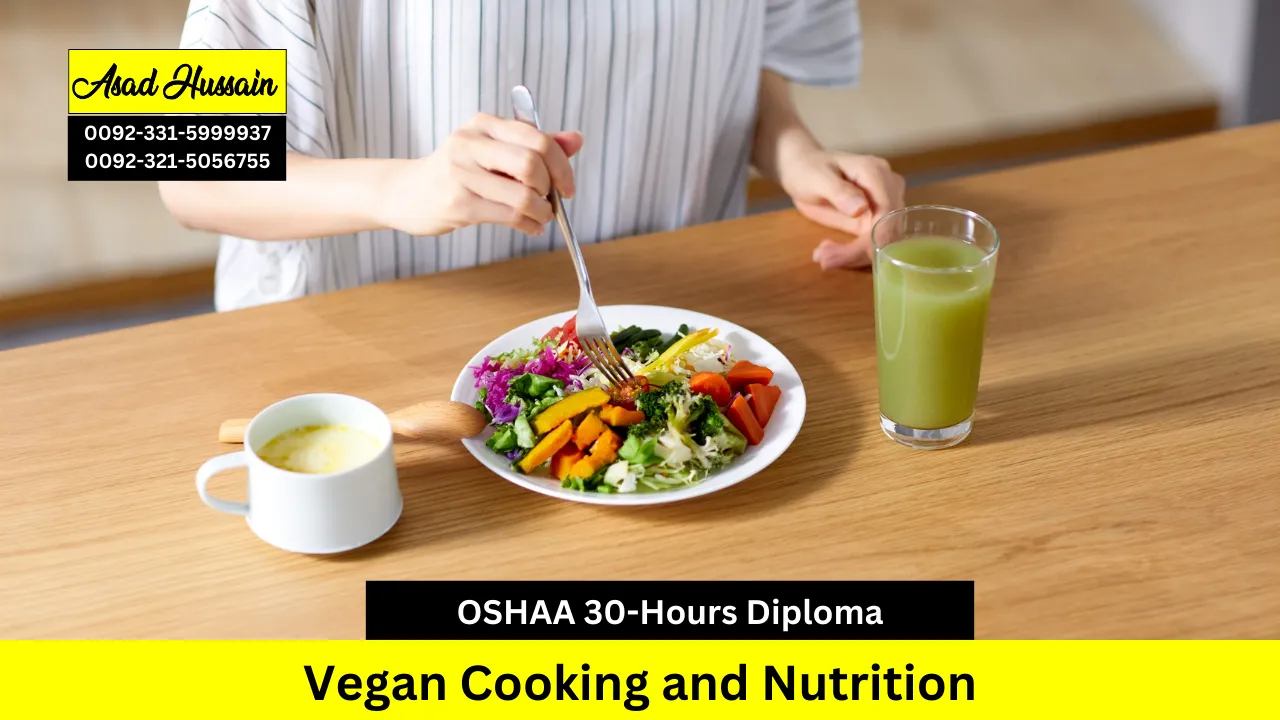
Master Plant-Based Cuisine with the Diploma in Vegan Cooking and Nutrition
The OSHAA 30-Hours Professional Diploma in Vegan Cooking and Nutrition offers a comprehensive learning experience for anyone passionate about plant-based cuisine and healthy living. This course provides foundational knowledge in nutrition, food safety, and the art of vegan cooking, enabling learners to create balanced, flavorful, and wholesome meals. Participants will explore essential dietary principles, ingredient selection, and meal planning strategies that promote overall health. With practical, hands-on approaches, the program ensures learners gain both theoretical understanding and applied skills, preparing them to make informed culinary choices and embrace plant-based nutrition confidently.
This program also emphasizes advanced cooking techniques, including the preparation of vegan alternatives for traditional dishes, menu customization, and culinary presentation. Learners will understand how to enhance flavors using natural ingredients, master plant-based protein sources, and create meals suitable for diverse dietary needs. In addition, the course covers food hygiene, kitchen safety, and storage practices to ensure a professional approach in both personal and commercial settings. By combining nutrition science with practical cooking skills, participants will be empowered to develop innovative, health-focused vegan menus.
OSHAA 30-Hours Professional Diploma in Vegan Cooking and Nutrition prepares learners to become skilled practitioners in plant-based culinary arts. The course equips participants with the ability to design nutritious meal plans, adapt recipes for clients or personal use, and communicate the benefits of vegan nutrition effectively. Graduates can pursue roles as vegan chefs, nutrition advocates, culinary instructors, or wellness consultants. With a strong focus on practical expertise, creativity, and health-conscious cooking, this diploma provides the tools needed to thrive in the growing field of plant-based nutrition while fostering a sustainable, mindful approach to food preparation and healthy living.
Program Highlights
Study Units
- Introduction to Vegan Nutrition and Health Foundations (3 hours)
- Macronutrients and Their Role in a Vegan Diet (4 hours)
- Micronutrients: Vitamins, Minerals, and Supplementation (4 hours)
- Whole Food Sources and Plant-Based Proteins (6 hours)
- Core Vegan Cooking Methods and Kitchen Safety (4 hours)
- Balanced Vegan Meal Planning and Preparation (3 hours)
- Creative Vegan Baking and Alternative Ingredients (3 hours)
- Nutritional Myths and Common Challenges in Vegan Diets (3 hours)
Entry Requirements
The OSHAA 30-Hours Professional Diploma in Vegan Cooking and Nutrition should meet basic entry requirements to ensure a smooth learning experience and successful course completion.
- Age Requirements: Learners must be at least 18 years old to enroll, ensuring they have the maturity and responsibility needed for practical cooking sessions and professional kitchen safety practices.
- Educational Background: A minimum of a high school diploma or equivalent is recommended. Candidates with prior experience or certifications in culinary arts, nutrition, health and wellness, or food safety will find it particularly beneficial. Related certifications like a Certificate in Nutrition, Culinary Skills Diploma, or Food Hygiene Certification are advantageous.
- Language Proficiency: Participants should have a good command of English to fully understand course materials, participate in practical exercises, and complete assessments effectively.
- Work Experience: While prior work experience in a kitchen, food service, or nutrition-related field is not mandatory, it can enhance practical learning and application of advanced cooking techniques.
This program is designed to be accessible to both aspiring professionals and experienced practitioners, providing the essential skills and knowledge to enhance emotional intelligence, strengthen interpersonal communication, and drive leadership effectiveness across a variety of industries.
Learning Outcomes
Introduction to Vegan Nutrition and Health Foundations (3 hours)
- Understand the principles and benefits of a vegan lifestyle
- Recognise the connection between plant-based eating and long-term health
- Identify the components of a balanced vegan diet
- Explore the impact of veganism on personal, environmental, and ethical health
Macronutrients and Their Role in a Vegan Diet (4 hours)
- Describe the functions and dietary sources of carbohydrates, proteins, and fats in vegan nutrition
- Understand energy balance and how macronutrients support body function
- Evaluate how to meet macronutrient needs using plant-based foods
- Apply macronutrient principles to support various lifestyle and activity levels
Micronutrients: Vitamins, Minerals, and Supplementation (4 hours)
- Identify essential micronutrients commonly lacking in vegan diets
- Understand the importance of vitamins B12, D, iron, calcium, iodine, and zinc
- Learn how to prevent nutrient deficiencies through diet and supplementation
- Analyse food sources and fortification strategies to meet micronutrient needs
Whole Food Sources and Plant-Based Proteins (6 hours)
- Explore the nutritional value of legumes, grains, nuts, seeds, and vegetables
- Understand how to combine plant foods to create complete protein profiles
- Assess the role of minimally processed foods in a healthy vegan diet
- Practise identifying and selecting nutrient-dense whole food options
Core Vegan Cooking Methods and Kitchen Safety (4 hours)
- Learn essential cooking techniques used in plant-based meal preparation
- Understand kitchen hygiene and food safety practices
- Gain hands-on experience in preparing vegan dishes using diverse ingredients
- Apply cooking methods that preserve nutritional value and flavour
Balanced Vegan Meal Planning and Preparation (3 hours)
- Develop the ability to plan nutritionally complete vegan meals
- Incorporate variety, texture, and balance into daily menus
- Adapt meals to suit individual dietary needs and preferences
- Create practical and sustainable weekly meal plans
Creative Vegan Baking and Alternative Ingredients (3 hours)
- Identify common plant-based substitutes for dairy, eggs, and gluten in baking
- Understand the function of alternative ingredients in achieving desired textures
- Practise creating baked goods using vegan-friendly techniques
- Enhance confidence in experimenting with new recipes and ingredient combinations
Nutritional Myths and Common Challenges in Vegan Diets (3 hours)
- Address common misconceptions related to vegan nutrition
- Understand social and practical challenges associated with plant-based eating
- Learn strategies to respond to misinformation and promote informed choices
- Build confidence in overcoming barriers to a balanced vegan lifestyle
Target Audience
The OSHAA 30-Hours Professional Diploma in Vegan Cooking and Nutrition is designed for individuals passionate about plant-based cooking, healthy lifestyles, and nutrition education. This course is ideal for those seeking to enhance their culinary skills, promote wellness, or build a professional career in vegan nutrition and cooking.
Aspiring Vegan Chefs
- Learn professional plant-based cooking techniques
- Create balanced, nutritious vegan menus
- Explore innovative recipes using whole foods
- Understand flavor combinations and ingredient substitutions
- Develop skills to work in vegan restaurants or catering
Nutrition and Health Enthusiasts
- Gain knowledge of vegan nutrition principles
- Understand macronutrients and micronutrients in plant-based diets
- Learn meal planning for various health goals
- Explore dietary modifications for specific conditions
- Promote wellness through informed food choices
Culinary Professionals
- Expand expertise to include vegan cooking
- Enhance menu diversity in restaurants or cafes
- Incorporate sustainable and ethical food practices
- Develop plant-based alternatives for traditional recipes
- Strengthen professional credibility in culinary arts
Wellness Coaches and Dietitians
- Integrate vegan nutrition knowledge into client plans
- Provide evidence-based dietary advice
- Promote plant-based lifestyles for improved health outcomes
- Create meal plans tailored to clients’ needs
- Educate others on the benefits of vegan diets
Entrepreneurs and Food Business Owners
- Launch vegan-friendly cafes, catering services, or meal prep businesses
- Understand market trends and consumer preferences
- Develop innovative, nutritious product offerings
- Implement food safety and kitchen management practices
- Build brand identity around plant-based nutrition
Personal and Lifestyle Learners
- Enhance everyday cooking skills for family and friends
- Adopt healthier, plant-based eating habits
- Explore ethical and environmental aspects of veganism
- Experiment with creative recipes at home
- Foster long-term wellness and sustainable living
Completing this course equips learners with practical cooking skills, nutritional knowledge, and the confidence to promote plant-based diets in professional, educational, or personal settings.