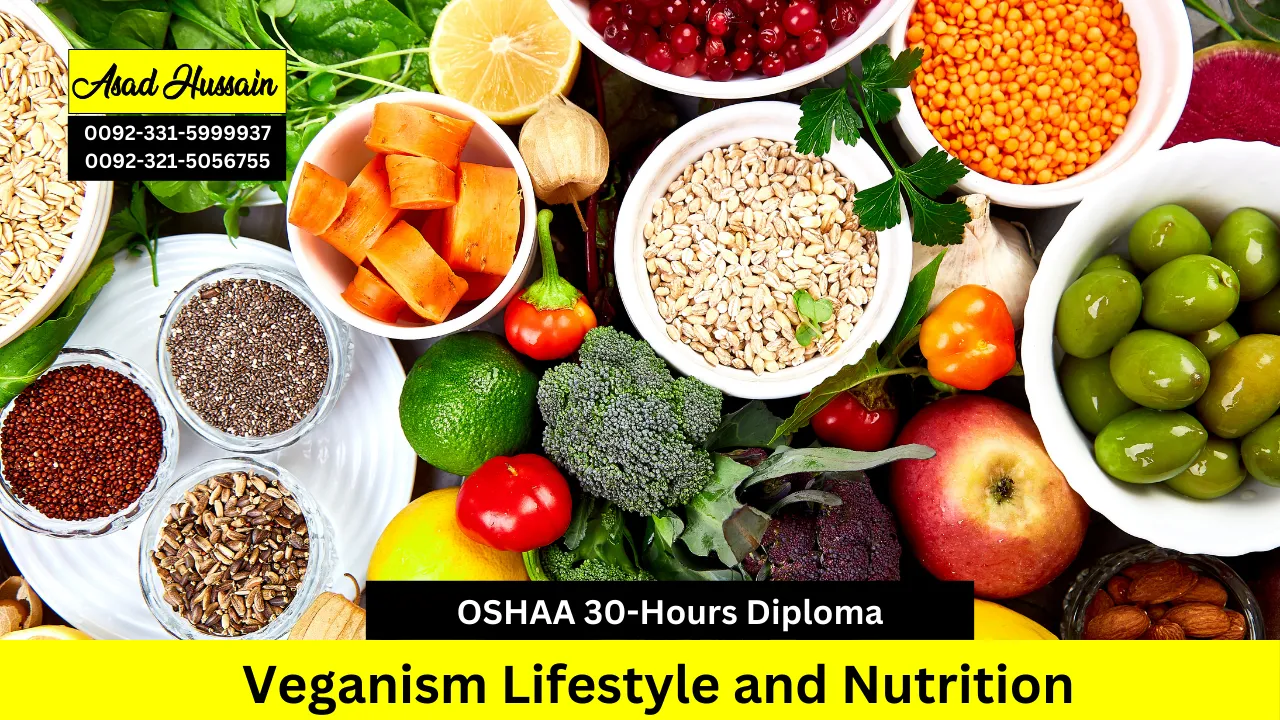
Diploma – Empower Your Lifestyle with Plant-Based Nutrition
The OSHAA 30-Hours Professional Diploma in Veganism Lifestyle and Nutrition is designed to provide learners with a comprehensive understanding of plant-based living and nutritional principles. Participants will explore the benefits of veganism on overall health, ethical considerations, and environmental sustainability. The course covers essential concepts such as nutrient requirements, dietary planning, and the impact of lifestyle choices on wellbeing, enabling learners to make informed and practical decisions for themselves or others.
Learners will gain insights into planning balanced vegan diets, identifying key vitamins, minerals, and proteins, and understanding how to meet nutritional needs through whole foods. The programme also addresses common challenges in vegan nutrition, including supplementation, avoiding deficiencies, and managing lifestyle transitions. Practical tips for meal preparation, healthy eating strategies, and lifestyle adjustments are included to help learners implement effective and sustainable plant-based habits.
OSHAA 30-Hours Professional Diploma in Veganism Lifestyle and Nutrition equips professionals, nutrition enthusiasts, and wellness advocates with the knowledge and skills needed to guide individuals toward a healthy vegan lifestyle. The course is suitable for dietitians, health coaches, educators, and anyone interested in ethical and sustainable living. Through this diploma, learners will gain actionable expertise in nutrition, lifestyle management, and wellness promotion, fostering long-term health and wellbeing for themselves and the communities they serve.
Study Units
- IIntroduction to Veganism: Philosophy, History and Principles (3 hours)
- The Health Benefits of a Plant-Based Lifestyle (3 hours)
- Core Nutrients in Vegan Nutrition: Needs and Sources (4 hours)
- Understanding and Preventing Nutritional Deficiencies (4 hours)
- Balanced Vegan Meal Planning and Food Preparation (6 hours)
- Reading Food Labels and Identifying Vegan Products (4 hours)
- Veganism and Environmental Sustainability (3 hours)
- Ethics of Vegan Living: Animal Welfare and Consumer Choices (3 hours)
Entry Requirements
To enrol in the OSHAA 30-Hours Professional Diploma in Veganism Lifestyle and Nutrition, learners should meet the following criteria to ensure they can fully engage with the course content:
- Age Requirement: Learners must be at least 18 years old to ensure readiness for professional-level nutrition and lifestyle training.
- Educational Background: A basic level of education is preferred. Completion of related diplomas or certificates in nutrition, health, wellness, dietetics, fitness, or lifestyle coaching can be beneficial but is not mandatory.
- Language Proficiency: Learners should have a good command of English to understand course materials, participate in exercises, and complete assessments effectively.
- Work Experience: Prior experience in health, wellness, nutrition, fitness coaching, or lifestyle guidance is advantageous but not required.
Overall, this course is suitable for anyone motivated to enhance their knowledge and practical skills in vegan nutrition, plant-based lifestyle planning, and wellness promotion.
Learning Outcomes
Introduction to Veganism: Philosophy, History and Principles (3 Hours)
- Explain the origins and historical development of veganism
- Describe the core philosophical principles behind a vegan lifestyle
- Differentiate between veganism, vegetarianism, and plant-based diets
- Identify key movements and influencers in the global vegan movement
The Health Benefits of a Plant-Based Lifestyle (3 Hours)
- Outline the scientifically supported health benefits of a vegan diet
- Discuss the role of plant-based eating in the prevention and management of chronic diseases
- Evaluate the impact of vegan diets on cardiovascular health, weight management, and overall wellbeing
- Identify the short-term and long-term health changes experienced during dietary transitions
Core Nutrients in Vegan Nutrition: Needs and Sources (4 Hours)
- Identify essential nutrients required in a balanced vegan diet
- Discuss plant-based sources of protein, iron, calcium, vitamin B12, vitamin D, and omega-3
- Recognise the importance of nutrient bioavailability in vegan nutrition
- Compare nutrient density across various vegan food groups
Understanding and Preventing Nutritional Deficiencies (4 Hours)
- Describe common nutritional deficiencies associated with poorly planned vegan diets
- Explain strategies to prevent deficiencies through dietary planning and supplementation
- Interpret signs and symptoms of key nutrient insufficiencies
- Evaluate scientific guidance on supplementation for vegans
Balanced Vegan Meal Planning and Food Preparation (6 Hours)
- Create nutritionally complete vegan meal plans for different age groups and lifestyles
- Apply portion control and food group balance in vegan cooking
- Demonstrate practical skills in preparing wholesome vegan meals
- Integrate seasonal, affordable, and culturally diverse plant-based foods
Reading Food Labels and Identifying Vegan Products (4 Hours)
- Accurately interpret nutritional labels and ingredient lists
- Identify hidden animal-derived ingredients in packaged goods
- Distinguish between certified vegan symbols and misleading labels
- Assess the ethical and nutritional quality of store-bought vegan products
Veganism and Environmental Sustainability (3 Hours)
- Explain the environmental impact of plant-based versus animal-based diets
- Describe how vegan practices contribute to reducing carbon footprint and resource use
- Evaluate the role of agriculture, deforestation, and water usage in food sustainability
- Discuss veganism as part of a broader sustainable living approach
Ethics of Vegan Living: Animal Welfare and Consumer Choices (3 Hours)
- Articulate the ethical rationale for adopting a vegan lifestyle
- Examine the role of consumer choices in supporting or opposing animal exploitation
- Analyse industry practices in farming, fashion, and cosmetics through an ethical lens
- Discuss personal and societal responsibility in ethical consumption
Target Audience
This course is ideal for individuals seeking to deepen their understanding of veganism, plant-based nutrition, and ethical lifestyle choices. It is designed for professionals, enthusiasts, and anyone interested in promoting health, wellness, and sustainability through informed vegan practices.
Health and Nutrition Professionals
- Dietitians and nutritionists aiming to expand their vegan expertise
- Wellness coaches providing plant-based lifestyle guidance
- Personal trainers incorporating nutrition into fitness plans
- Healthcare workers advising patients on dietary changes
- Public health professionals promoting healthy eating habits
- Individuals supporting clients with dietary restrictions
Students and Learners
- Students in nutrition, dietetics, or health sciences
- Learners exploring ethical and sustainable food practices
- Individuals interested in food science and wellness careers
- Students preparing for careers in health education or coaching
- Learners seeking practical knowledge for personal or professional growth
- Anyone wanting foundational skills in vegan nutrition
Wellness and Lifestyle Enthusiasts
- Individuals adopting or exploring a vegan lifestyle
- People aiming to improve personal health through plant-based nutrition
- Those interested in ethical and environmentally conscious living
- Wellness bloggers and influencers focusing on sustainable diets
- Health-conscious individuals looking for structured guidance
- Enthusiasts seeking evidence-based dietary practices
Food Industry and Culinary Professionals
- Chefs and cooks creating plant-based menus
- Food service managers catering to vegan clients
- Culinary students specializing in nutrition-focused cooking
- Restaurant owners integrating ethical meal options
- Product developers creating vegan food items
- Staff responsible for meal planning and recipe development
Environmental and Ethical Advocates
- Professionals promoting sustainability and reduced carbon footprint
- Animal welfare advocates incorporating vegan principles
- Educators raising awareness about ethical consumerism
- Community leaders supporting plant-based initiatives
- NGO staff involved in health and sustainability projects
- Individuals championing ethical lifestyle practices
General Public and Interested Learners
- Adults seeking practical knowledge for everyday nutrition
- Parents wanting to provide healthy vegan meals for families
- Individuals curious about plant-based dietary benefits
- Community members supporting local wellness programs
- Anyone motivated to adopt informed and balanced vegan habits
- People looking to combine health, ethics, and sustainability in daily life
Overall, this course is suitable for anyone passionate about health, nutrition, ethical living, and sustainability, providing practical skills to implement and promote a vegan lifestyle effectively.