Become a Skilled Emergency Response Professional with Diploma
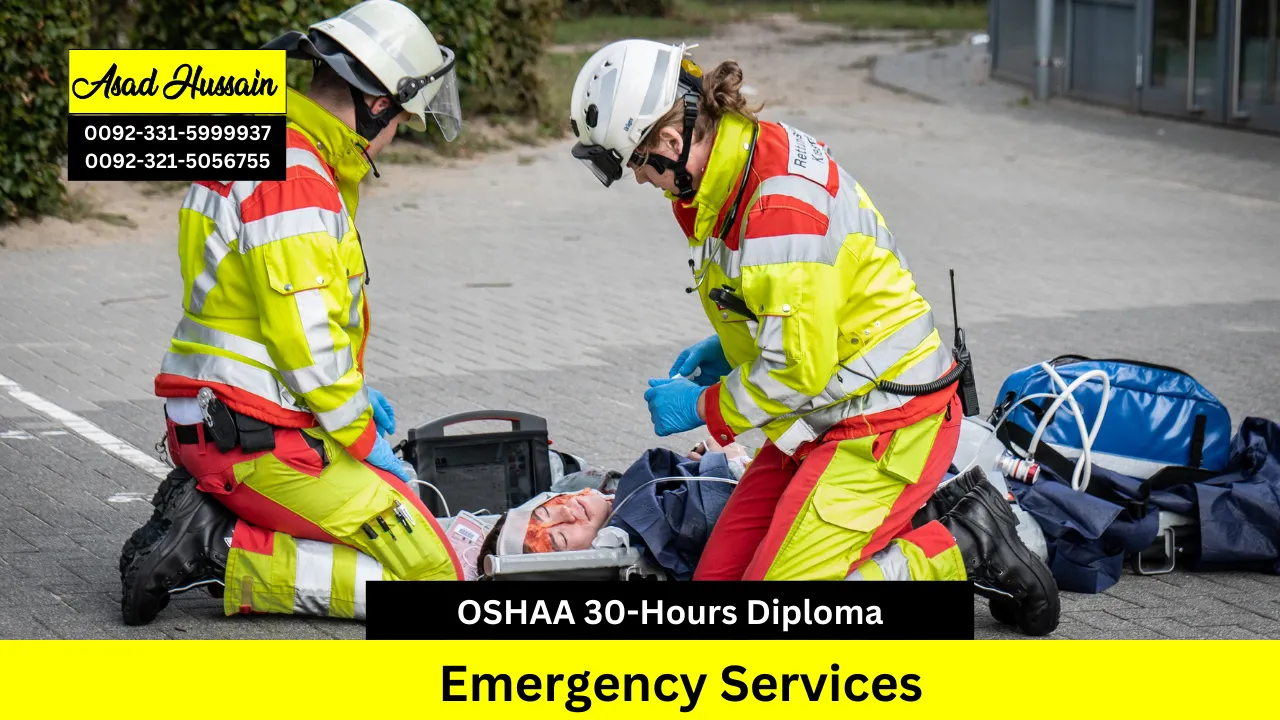
The OSHAA 30-Hours Professional Diploma in Emergency Services is a focused and practical programme designed to equip learners with the essential knowledge and skills required in critical response situations. This course covers emergency preparedness, rapid assessment, incident management, and professional conduct during high-pressure scenarios. Participants will develop awareness of safety protocols, communication strategies, and decision-making processes that are vital for effective performance in emergency services. The course is structured to ensure learners gain practical, actionable knowledge that can be applied immediately in professional environments. It is not Ofqual regulated, yet it meets high standards of structured, career-focused learning.
This diploma is suitable for individuals currently working or preparing to work in emergency response roles, including fire services, paramedics, disaster management, and safety coordination. The course content is presented in an accessible format, blending theoretical understanding with applied techniques that simulate real-world situations. Learners will explore risk assessment, first response strategies, team coordination, and critical thinking under pressure. By engaging with practical case studies and scenario-based exercises, participants build confidence, resilience, and professional competence in emergency services operations.
OSHAA 30-Hours Professional Diploma in Emergency Services provides a comprehensive learning pathway that aligns with the requirements of modern emergency response roles. The programme emphasises situational awareness, effective communication, rapid problem-solving, and adherence to safety standards. It supports skill development for those already in professional roles as well as newcomers aiming to gain structured knowledge through recognised training. While the course does not lead to further qualifications, it complements other professional certifications and diplomas in emergency management, safety, and first response, providing learners with practical expertise and professional credibility.
Program Highlights
Study Units
- Introduction to Emergency Services and Their Roles (3 hours)
- Principles of Incident Management and Risk Assessment (3 hours)
- Emergency First Aid and Basic Life Support (4 hours)
- Fire Safety Procedures and Evacuation Protocols (5 hours)
- Communication and Coordination During Emergencies (6 hours)
- Disaster Response and Recovery Planning (4 hours)
- Personal Safety and Protective Equipment in Emergency Situations (2 hours)
- Mental Health Awareness in Crisis Response (3 hours)
To ensure learners can engage effectively with the course material, the following entry requirements are recommended:
- Age Requirement: Learners should be at least 18 years old at the time of enrolment to ensure sufficient maturity for handling emergency response training.
- Educational Background: A basic educational qualification is preferred. Prior completion of related diplomas or certificates in emergency response, first aid, fire safety, occupational safety, healthcare support, or disaster management can be advantageous but is not mandatory.
- Language Proficiency: Learners should have a reasonable command of English to understand course materials, participate in activities, and complete written assessments confidently.
- Work Experience: Previous experience in emergency services, healthcare, safety roles, or volunteer response teams is beneficial but not required.
Overall, this course is designed to be accessible to motivated learners from diverse professional and educational backgrounds who wish to gain structured knowledge and practical skills in emergency services.
Learning Outcomes
Introduction to Emergency Services and Their Roles (3 Hours)
- Understand the structure and functions of key emergency services
- Identify the roles and responsibilities of personnel in various emergency sectors
- Recognise how services collaborate during multi-agency incidents
- Develop awareness of the importance of emergency preparedness in communities
Principles of Incident Management and Risk Assessment (3 Hours)
- Understand the stages of incident management and response protocols
- Conduct basic risk assessments in emergency scenarios
- Apply the principles of hazard identification and control
- Learn how to prioritise actions and allocate resources effectively during emergencies
Emergency First Aid and Basic Life Support (4 Hours)
- Perform essential first aid techniques including CPR and wound care
- Recognise and respond to life-threatening conditions such as cardiac arrest and choking
- Apply safe handling and patient assessment practices
- Understand the role of first aid in stabilising casualties until professional help arrives
Fire Safety Procedures and Evacuation Protocols (5 Hours)
- Identify common fire hazards and preventative measures
- Understand fire classifications and appropriate extinguishing methods
- Learn procedures for safe evacuation and emergency planning
- Apply knowledge of fire safety equipment and building regulations
Communication and Coordination During Emergencies (6 Hours)
- Develop effective verbal and non-verbal communication skills under pressure
- Understand the importance of clarity and calmness in high-stress situations
- Coordinate with emergency teams and the public during incident response
- Apply strategies for delivering accurate information and instructions
Disaster Response and Recovery Planning (4 Hours)
- Understand the phases of disaster management: preparedness, response, recovery
- Learn how to support communities during and after disasters
- Develop knowledge of resource mobilisation and logistical support
- Apply recovery strategies that support resilience and continuity
Personal Safety and Protective Equipment in Emergency Situations (2 Hours)
- Identify different types of personal protective equipment (PPE) and their correct usage
- Understand safety protocols to minimise personal risk
- Apply hygiene and biohazard precautions during emergency response
- Recognise the importance of self-care and physical readiness in emergency work
Mental Health Awareness in Crisis Response (3 Hours)
- Recognise signs of stress, trauma, and burnout in emergency personnel
- Understand the psychological impact of critical incidents on responders and victims
- Apply basic strategies to manage mental health during and after emergencies
- Promote supportive environments and peer wellbeing within emergency services
Target Audience
This course is designed for individuals seeking to develop practical skills and professional knowledge in emergency response, crisis management, and safety operations. It is ideal for learners from diverse backgrounds who wish to enhance their competence in handling high-pressure situations across educational, community, and professional settings.
Emergency Services Personnel
- Firefighters seeking updated safety and evacuation knowledge
- Paramedics and emergency medical responders
- Police officers involved in incident coordination
- Search and rescue team members
- Disaster response and civil protection staff
- Individuals working in multi-agency emergency operations
Healthcare and First Aid Professionals
- Nurses and healthcare assistants in emergency care settings
- First aid trainers and instructors
- Community health workers supporting crisis response
- Occupational health personnel managing workplace emergencies
- Professionals involved in patient triage and rapid assessment
- Individuals aiming to strengthen first aid and life support skills
Community and Volunteer Responders
- Volunteers in disaster relief or community safety initiatives
- Civil defence and local emergency support teams
- Members of humanitarian aid organisations
- Community leaders coordinating emergency preparedness programs
- Individuals involved in public safety awareness campaigns
- Volunteers supporting vulnerable populations during crises
Educational and Training Professionals
- School safety officers and coordinators
- Educators preparing students for emergency preparedness
- Trainers delivering workshops on first aid and safety protocols
- Instructors in safety and emergency response courses
- Mentors supporting learners in practical emergency exercises
- Individuals developing structured training programs for safety awareness
Workplace Safety and Risk Management Professionals
- Health and safety officers in corporate or industrial settings
- Risk assessment and compliance coordinators
- Facility managers responsible for emergency planning
- HR and management staff overseeing workplace safety
- Professionals supporting staff training in crisis response
- Individuals implementing safety protocols and evacuation procedures
Individuals Seeking Professional Development
- Learners aiming to enhance emergency response knowledge
- Professionals seeking to complement existing certifications or diplomas
- Those interested in high-pressure decision-making and risk management
- Individuals pursuing career growth in emergency services, safety, or healthcare
- Learners motivated to gain applied skills for real-world emergency situations
- Professionals seeking to improve confidence and effectiveness in crises
Overall, this course is ideal for anyone committed to gaining practical expertise, professional competence, and confidence in emergency services, first response, and crisis management across community, workplace, and healthcare settings.