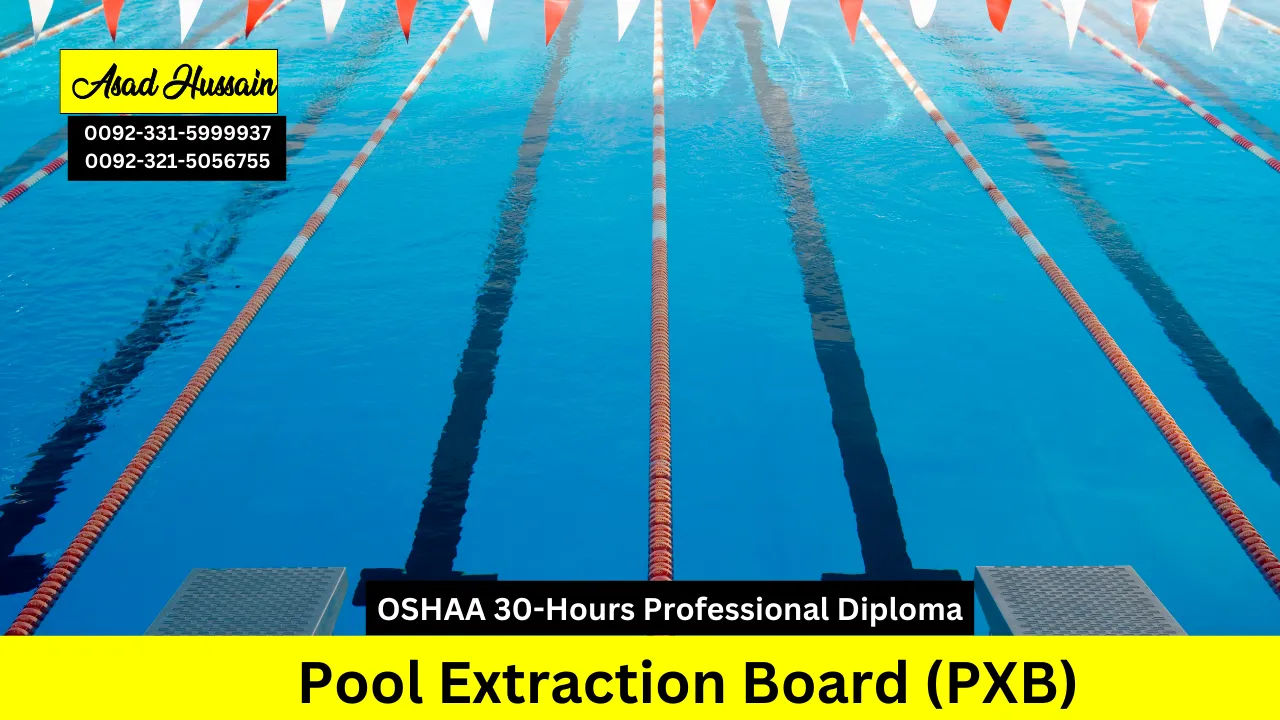
OSHAA 30-Hours Professional Diploma in Pool Extraction Board – Skill-Focused Pool Rescue Leadership
The OSHAA 30-Hours Professional Diploma in Pool Extraction Board (PXB) is a specialised professional programme designed to develop essential skills for safe casualty handling and controlled extraction in swimming pool environments. This course focuses on correct pool extraction board use, teamwork, and precision during high-risk rescue situations. Learners gain a strong understanding of poolside safety responsibilities, emergency preparedness, and professional conduct. Emphasis is placed on injury prevention, calm decision-making, and maintaining control during rescues, ensuring participants can contribute effectively to safer and well-managed aquatic facilities.
This diploma delivers structured knowledge covering casualty stabilisation, coordinated rescue techniques, and effective communication during pool-based emergencies. Participants explore best practices for managing suspected injuries while prioritising both casualty welfare and rescuer safety. The course strengthens awareness of risk management, role allocation, and situational control in pressured environments. Successful completion supports alignment with a range of professional certifications and diplomas related to aquatic rescue operations, spinal awareness, pool safety supervision, and water safety management, enhancing professional confidence and practical capability.
OSHAA 30-Hours Professional Diploma in Pool Extraction Board (PXB) provides a practical and role-focused learning experience for individuals responsible for safety in swimming pool settings. The programme balances applied understanding with professional awareness to ensure extraction techniques are consistent, controlled, and effective. Learners develop confidence in working as part of a rescue team, following structured procedures, and upholding duty of care standards. By promoting precision, coordination, and safety leadership, this course supports higher levels of rescue readiness and professional responsibility within pool-based aquatic environments.
Program Highlights
- Introduction to Pool Extraction Board Operations (3 Hours)
- Principles of Aquatic Rescue and Safety Protocols (3 Hours)
- Anatomy of the Pool Extraction Board: Components and Functions (3 Hours)
- Risk Assessment and Emergency Preparedness in Aquatic Environments (4 Hours)
- Casualty Assessment and Initial Response Techniques (3 Hours)
- Safe Handling and Positioning of the Extraction Board (3 Hours)
- Spinal Injury Management During Water Extractions (4 Hours)
- Coordinated Teamwork in Pool Rescue Operations (3 Hours)
- Maintenance, Inspection, and Storage of Extraction Boards (2 Hours)
- Post-Rescue Care, Documentation, and Continuous Improvement (2 Hours)
To ensure learners can effectively engage with the OSHAA 30-Hours Professional Diploma in Pool Extraction Board (PXB) and apply safe, controlled rescue practices, the following entry requirements are recommended.
- Age Requirement: Learners should be at least 16 years of age to demonstrate the maturity and responsibility required for pool-based rescue and casualty handling activities.
- Educational Background: A basic secondary-level education is recommended. Learners holding swimming instructor certificates, pool safety certificates, lifeguard awareness awards, aquatic rescue certificates, sports coaching diplomas, physical education certificates, or introductory water safety diplomas may find the course particularly beneficial.
- Language Proficiency: A reasonable level of English language proficiency is required to understand course materials, follow safety instructions, and communicate effectively during training and rescue scenarios.
- Work Experience: Prior experience in swimming pools, leisure centres, aquatic facilities, lifeguarding support roles, or volunteer positions involving water-based activities is advantageous but not mandatory.
Learning Outcomes
Introduction to Pool Extraction Board Operations (3 Hours)
- Understand the role and purpose of a pool extraction board in aquatic safety
- Identify situations that require the use of an extraction board
- Recognise individual responsibilities during extraction operations
- Develop awareness of safe and controlled rescue procedures
- Support professional conduct during pool-based rescues
Principles of Aquatic Rescue and Safety Protocols (3 Hours)
- Apply fundamental aquatic rescue principles in emergency situations
- Follow established safety protocols to minimise risks during rescues
- Maintain personal safety and casualty protection throughout operations
- Demonstrate calm and structured responses during incidents
- Promote consistent safety standards
Anatomy of the Pool Extraction Board: Components and Functions (3 Hours)
- Identify the key components of a pool extraction board
- Understand the function of each component during rescues
- Inspect equipment for readiness and operational safety
- Recognise signs of wear or damage
- Support safe and effective equipment use
Risk Assessment and Emergency Preparedness in Aquatic Environments (4 Hours)
- Conduct risk assessments specific to aquatic facilities
- Identify potential hazards related to rescue operations
- Develop strategies for emergency preparedness
- Implement control measures to reduce rescue-related risks
- Promote proactive safety planning
Casualty Assessment and Initial Response Techniques (3 Hours)
- Perform initial casualty assessments in water-based environments
- Identify signs of distress, injury, or spinal concerns
- Apply immediate response actions to stabilise casualties
- Prioritise actions based on risk and casualty condition
- Maintain scene safety during response
Safe Handling and Positioning of the Extraction Board (3 Hours)
- Handle and manoeuvre the extraction board safely
- Position the board correctly for casualty transfer
- Minimise unnecessary movement during rescues
- Ensure casualty security and comfort
- Reduce the risk of further injury
Spinal Injury Management During Water Extractions (4 Hours)
- Recognise indicators of potential spinal injuries
- Apply appropriate spinal immobilisation techniques
- Coordinate rescue actions to protect spinal alignment
- Maintain controlled movements during extraction
- Support safe casualty handling
Coordinated Teamwork in Pool Rescue Operations (3 Hours)
- Work effectively within a coordinated rescue team
- Communicate clearly during extraction procedures
- Assign and perform rescue roles efficiently
- Support smooth and organised rescue operations
- Maintain situational awareness
Maintenance, Inspection, and Storage of Extraction Boards (2 Hours)
- Conduct routine equipment inspections
- Apply correct cleaning and maintenance procedures
- Identify maintenance issues affecting performance
- Store extraction boards safely and correctly
- Maintain readiness for emergency use
Post-Rescue Care, Documentation, and Continuous Improvement (2 Hours)
- Provide appropriate post-rescue care and support
- Complete accurate incident documentation
- Participate in rescue debriefs and reviews
- Identify improvement opportunities
- Support continuous safety enhancement
The OSHAA 30-Hours Professional Diploma in Pool Extraction Board (PXB) is designed for individuals responsible for pool safety, casualty management, and emergency response who wish to strengthen their competence in controlled extraction and spinal protection within aquatic environments.
Swimming Pool and Leisure Centre Staff
- Working in public or private swimming pool facilities
- Supporting daily pool operations and safety procedures
- Assisting during pool-based emergencies
- Managing swimmer safety and incident response
- Contributing to a safe pool environment
Lifeguards and Pool Rescue Assistants
- Supporting lifeguard-led rescue operations
- Enhancing skills in casualty handling and extraction
- Improving coordination during spinal-related incidents
- Strengthening communication in emergency situations
- Maintaining rescue readiness
Swimming Teachers and Instructors
- Supervising swimming lessons in pool settings
- Managing learner safety during aquatic activities
- Responding to incidents during instruction
- Supporting safe casualty transfer procedures
- Promoting safety-focused teaching practices
Aquatic Safety and Facility Supervisors
- Overseeing safety standards within aquatic facilities
- Coordinating emergency response procedures
- Supporting staff during rescue situations
- Managing risk and safety planning
- Upholding professional safety protocols
Entry-Level Aquatic Rescue Professionals
- Beginning a career in pool-based rescue roles
- Building foundational knowledge of extraction board use
- Developing confidence in emergency response
- Learning structured rescue procedures
- Preparing for greater responsibility in aquatic settings
Emergency Response and Support Personnel
- Assisting during aquatic rescue incidents
- Supporting casualty management and stabilisation
- Working alongside pool rescue teams
- Enhancing awareness of spinal safety procedures
- Contributing to coordinated rescue efforts